The American Israel Public Affairs Committee (AIPAC), long considered a juggernaut in US politics, has been put on the defensive following last week's midterm elections. Deepening voter disillusionment over US-Israeli relations and wins by openly Israel-skeptic candidates have left the powerful lobbying group reeling.
Republican Setback in Midterms
The Republican Party faced a major defeat in the midterm elections, dashing the hopes of supporters of Senate candidate Ken Paxton, who was widely seen as a close ally of President Donald Trump. Paxton's supporters had gathered at a hotel ballroom in Dallas, Texas, to celebrate his anticipated victory, but they began to leave one by one as the defeat became apparent.Voter Anger and Disillusionment
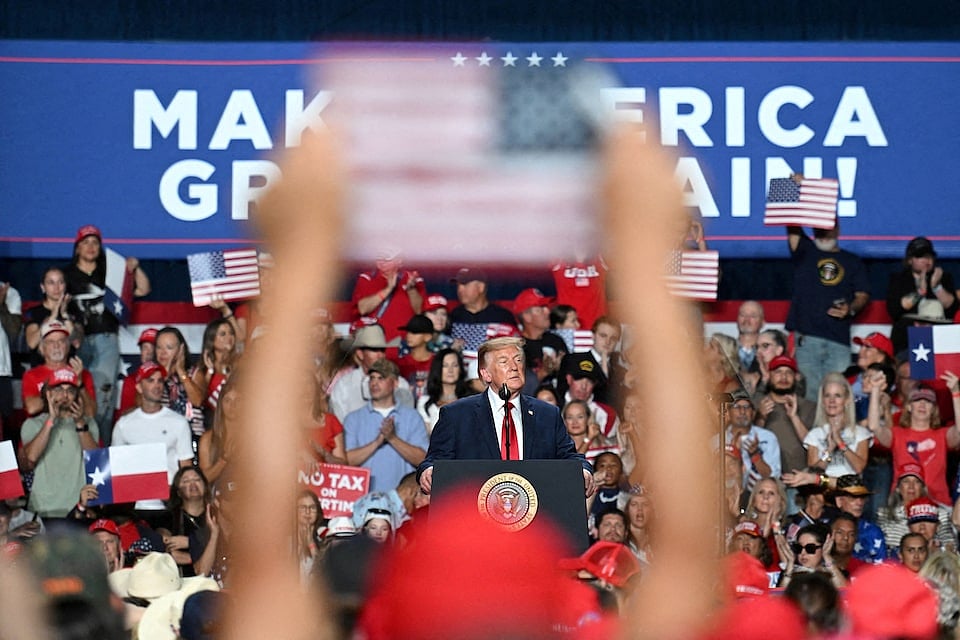
Amid the somber atmosphere, 59-year-old businessman Michael Little was seen at the hotel bar watching Trump on television. A three-time Trump voter, Little expressed visible anger at the outcome. "People are angry at Trump. Trump has sunk us," he said.The Republican defeat has spread disappointment among supporters of Trump's 'Make America Great Again' or 'MAGA' movement. Those who once viewed Trump as the movement's driving force are now increasingly blaming him and viewing him as a liability.
AIPAC's Strategic Dilemma
Analysts suggest that the election results represent a significant blow not only to the Republicans but also to AIPAC. The growing voter discontent with pro-Israel policies is forcing the lobbying group to reconsider its future strategies. A notable segment of younger voters has become increasingly critical of Israeli policies and is backing candidates who challenge traditional US-Israel positions.AIPAC has yet to issue an official response to the election outcomes. However, political analysts believe the organization will need to reassess its approach in the coming days. As the Israel issue becomes increasingly contentious in American politics, groups like AIPAC are finding it harder to maintain their influence.