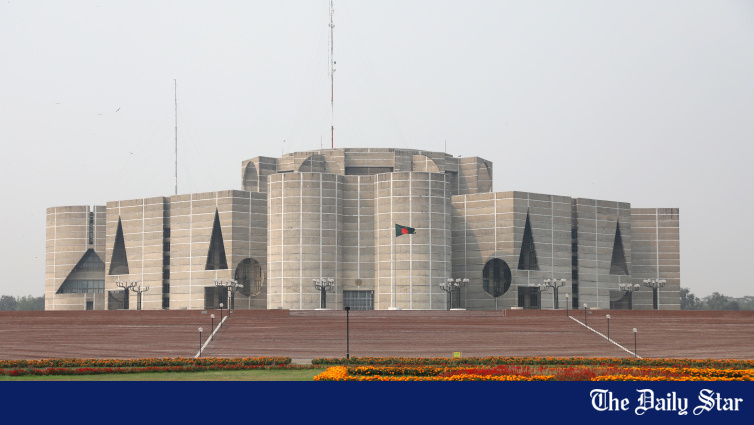
A new bill aimed at accelerating solar power installation was introduced in the national parliament on Tuesday. The bill has been referred to a parliamentary standing committee for further examination. However, the process of tabling the bill and the prior issuance of an ordinance while parliament was functional have ignited controversy both inside and outside the House.
Objective of the Bill
According to sources, the primary objective of the bill is to expedite the establishment of solar power projects across the country. It is expected to address bottlenecks related to land acquisition, environmental clearances, and grid connectivity. The government has presented the initiative as a significant step toward expanding the renewable energy sector.Controversy Over Ordinance
The core of the debate centers on why the government issued an ordinance on the matter while parliament was still in session. Many observers consider it unusual to promulgate an ordinance during a parliamentary session, as it bypasses the legislature's authority. Lawmakers from the opposition have criticized the move as an infringement on parliament's prerogative.Analysts note that while ordinances are constitutionally permissible when parliament is not in session, issuing one during a sitting session raises questions about adherence to standard legislative procedure. The incident has cast a shadow over the bill's introduction, and the parliamentary committee is expected to deliberate on the matter in detail.
Referral to Committee
Amid the controversy, the bill was referred to the parliamentary standing committee for thorough review. The committee will examine its provisions, particularly those formulated in light of the ordinance, and may recommend amendments. A report is likely to be presented in the next parliamentary session.Stakeholders in the renewable energy sector have expressed hope for the bill's swift passage, citing potential new investment opportunities. Legal experts, however, caution that the ordinance's validity and process could face constitutional challenges.
