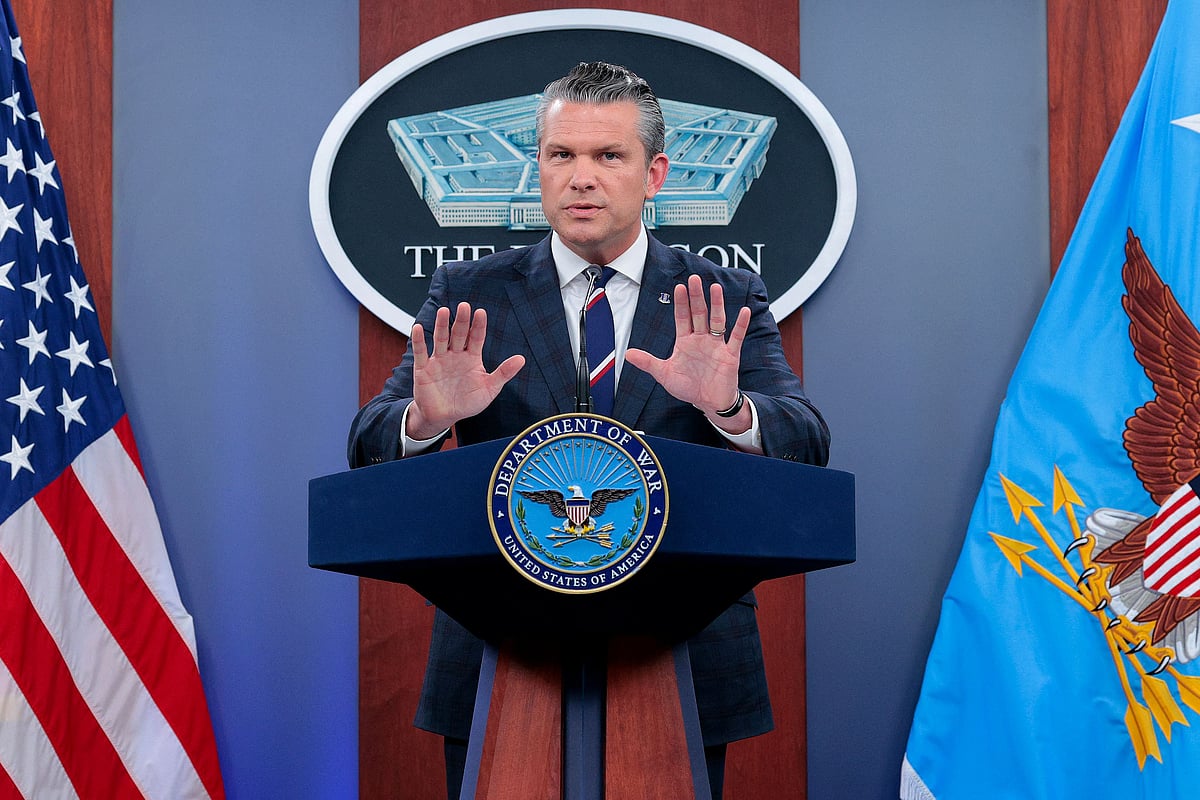
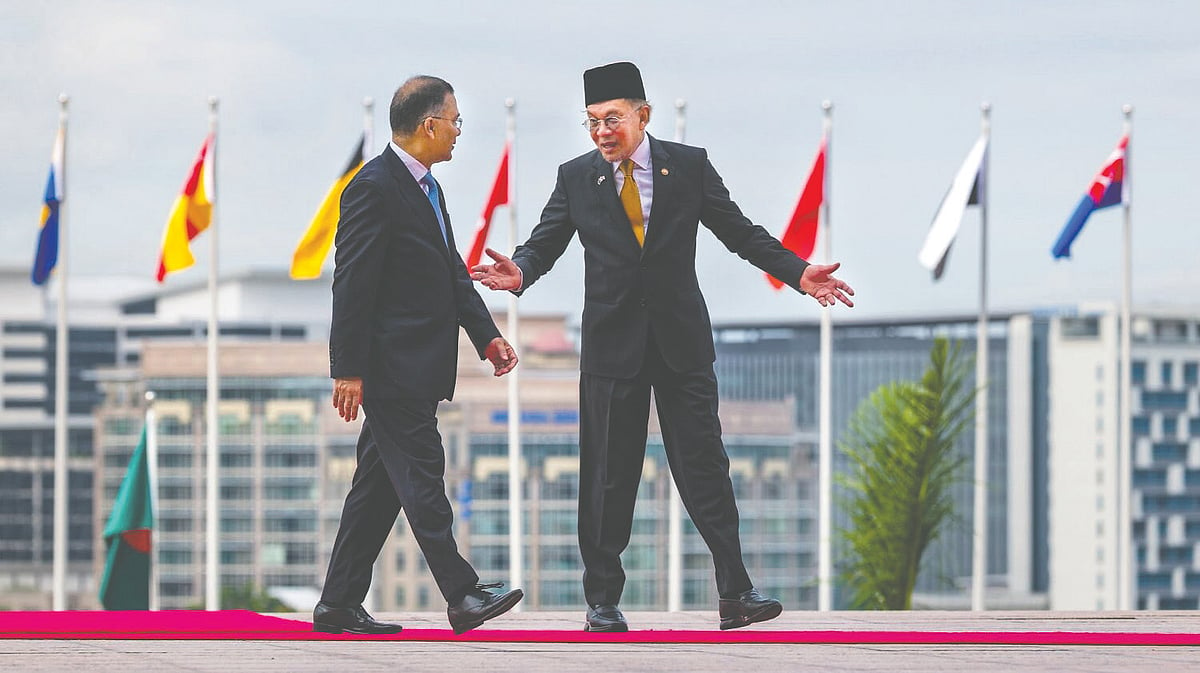
Sonia Gandhi, former president of the Indian National Congress and current Rajya Sabha member, has released her much-anticipated autobiography. In these memoirs, she offers her personal observations on Prime Minister Narendra Modi and recounts five pivotal chapters of Indian politics. The publication has sparked immediate discussion across the country's political spectrum.
FactaGrid
https://factagrid.com
Politics
11 November 2026, 2:19 PM
Politics
Sonia Gandhi's Memoirs: Five Political Chapters from Modi to Congress
Sonia Gandhi's long-awaited autobiography has been published, featuring her observations on Prime Minister Narendra Modi and five significant episodes of Indian political history. The book sheds light on the internal decision-making processes of the Congress party and its electoral strategies.
11 November 2026, 12:00 AM
|
2 min read
Listening...
Sonia Gandhi's Memoirs: Five Political Chapters from Modi to Congress
০০:০০
/
০০:০০

Sources Used
📚 This report is synthesized from the following sources:
Ju
Jugantor
View original article →
Ju
Jugantor
View original article →
Ju
Jugantor
View original article →Leave a comment
Be the first to comment.