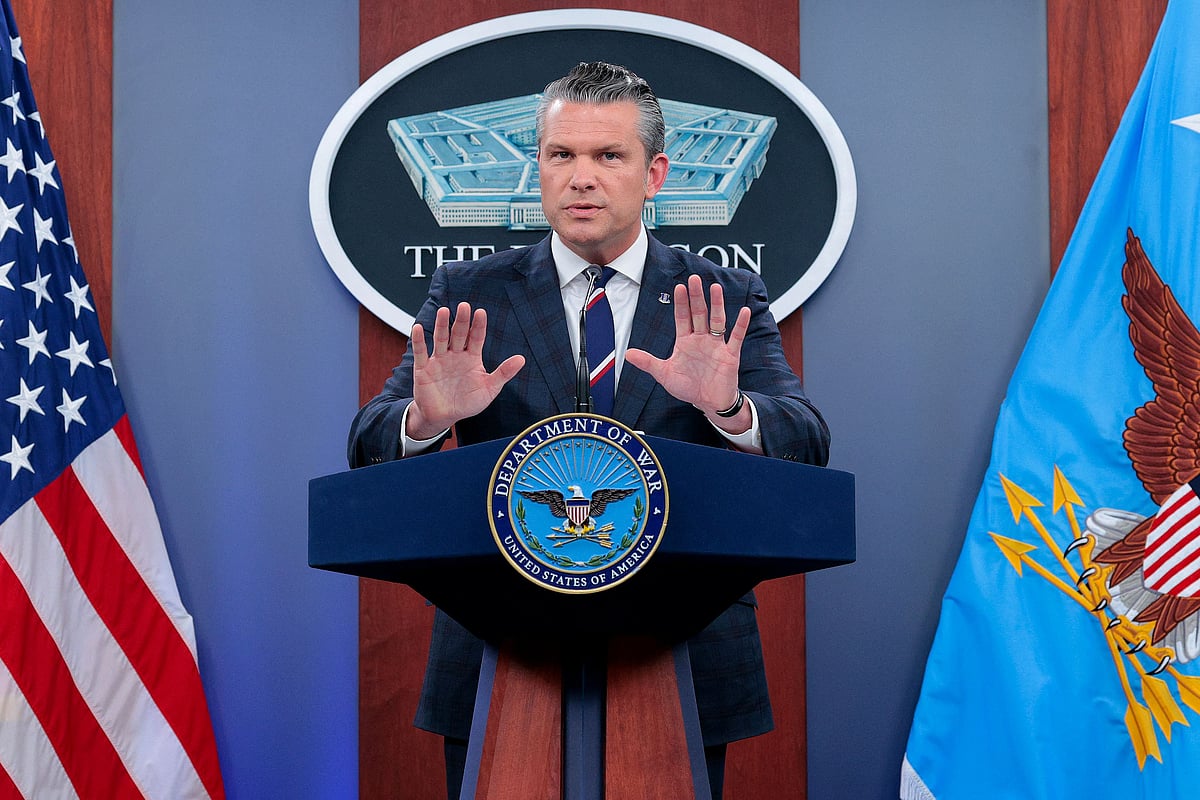
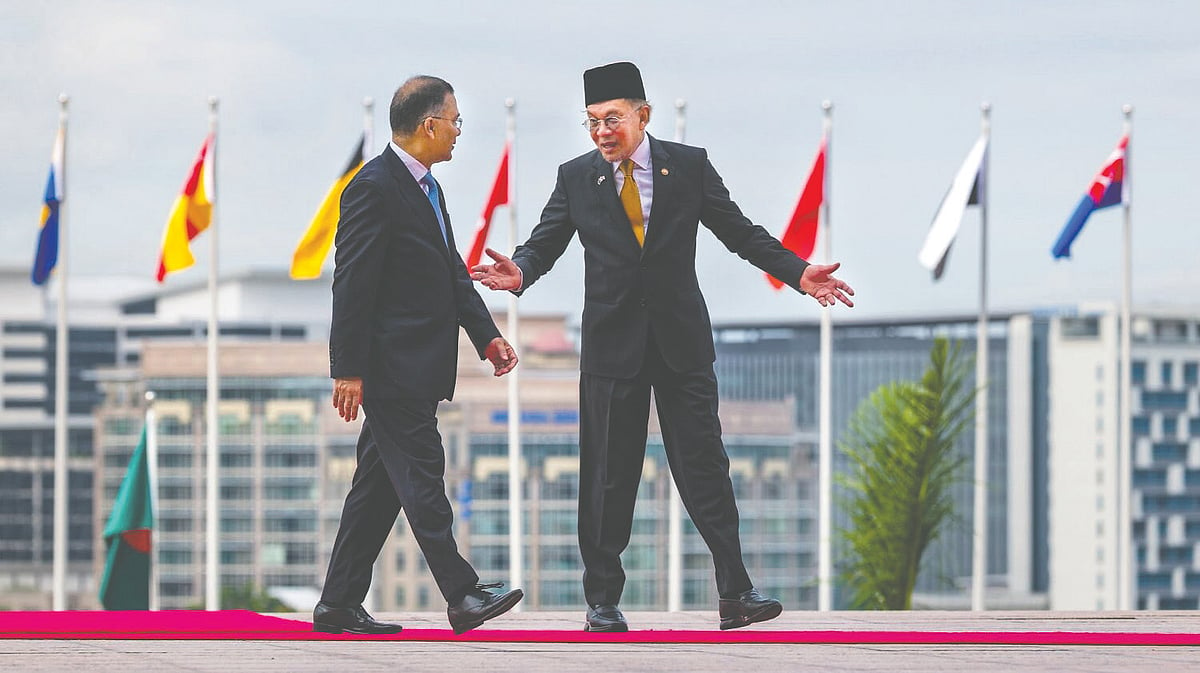
US President Donald Trump has stated that the ongoing US-Israel war with Iran is 'effectively' almost over. He made the remarks during an impromptu press conference in Washington on Monday, following a meeting with Qatar's Prime Minister. "I think this war will be over very soon," Trump said.

Claims of Military Victory and Endgame

During the press conference, Trump reiterated his claim that the United States has destroyed Iran's military capabilities. "From a military standpoint, Iran's existence is effectively over. We are just maintaining the status quo now. We are doing so at the request of Iran's neighboring countries," he stated. His comments suggested pressure from allied nations in the Middle East to bring the conflict to a close.

Reward for Iran Nuclear Program Information

This comes after the United States announced a $20 million reward for information on Iran's nuclear program. Analysts view Trump's latest remarks as a strategy to manage the conflict's trajectory in light of that announcement.

Concerns Over Israel's Strategy

In a separate development, analyst Kolibof has commented that Israel is setting an 'endless war trap' around Iran. He expressed this concern in an analysis provided to Bangladesh Pratidin. According to him, while Trump's declaration of the war's end signals a move toward peace, Israel's military strategy could provoke a prolonged conflict in the region. Observers note that Kolibof's warning stands in contrast to Trump's stated position.

Meeting with Qatari PM

Trump's press conference followed a meeting with Qatari Prime Minister Sheikh Mohammed bin Abdulrahman bin Jassim Al Thani. The meeting is seen as an effort to find a path toward a ceasefire and diplomatic resolution in the Middle East. Qatar has long played a mediating role in resolving regional crises.

Next Steps

Following Trump's announcement, the international community is now watching to see if a genuine ceasefire between Iran and Israel will take effect. Concurrently, Kolibof's warning about an 'endless war trap' has raised new questions about the region's future stability.