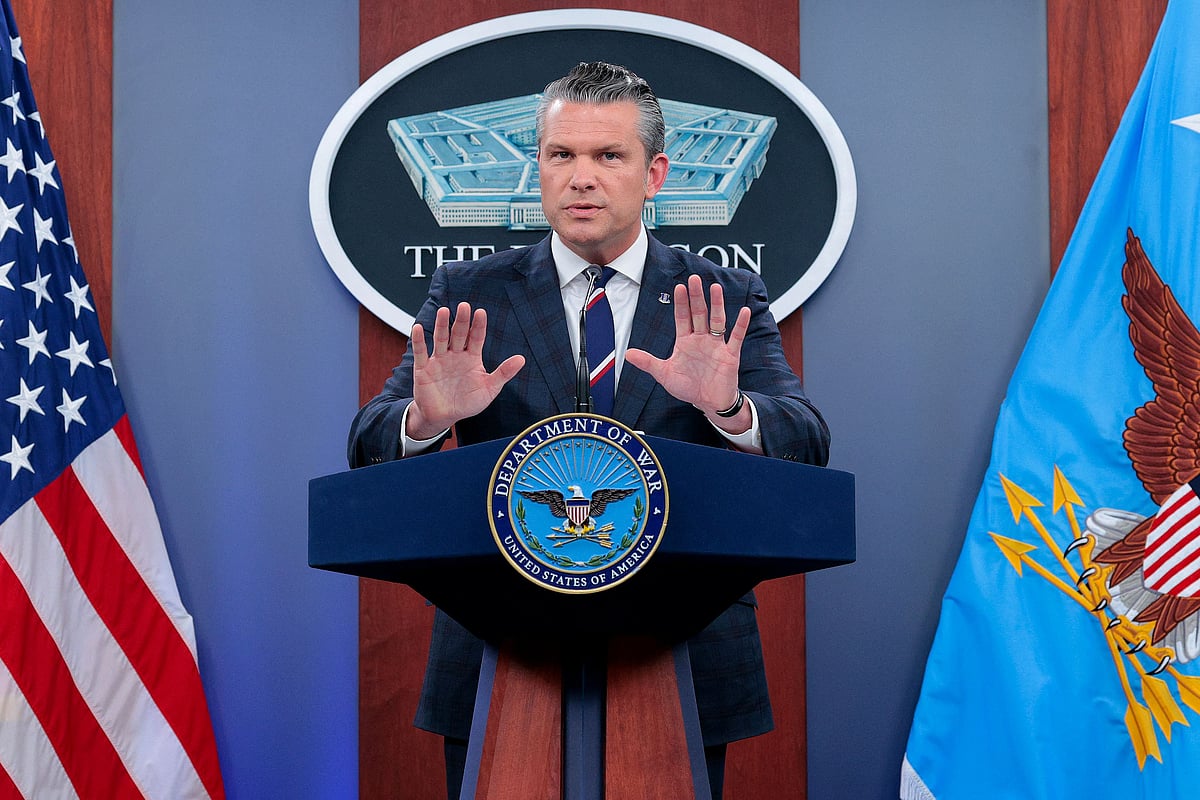
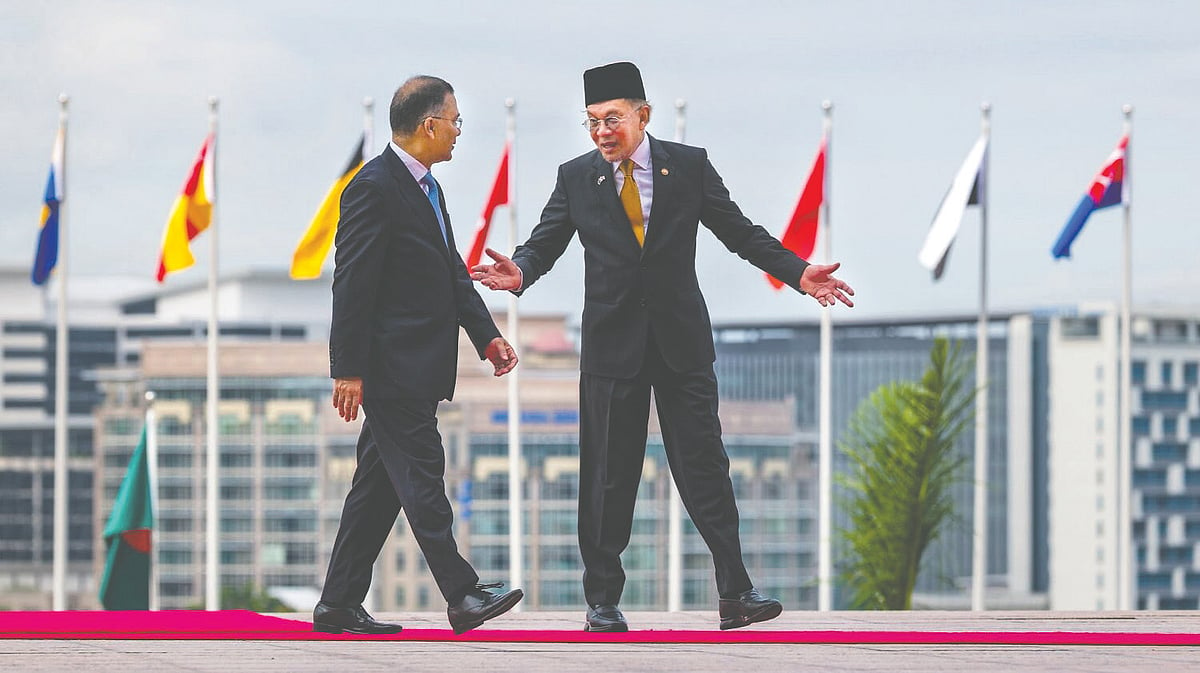
A growing number of foreign policy analysts in Pakistan believe that Islamabad’s attempt to use former US President Donald Trump as a strategic ‘Trump card’ to extract geopolitical advantages is no longer effective in the current reality. A report by Bangladesh Pratidin has raised this critical question.
FactaGrid
https://factagrid.com
Politics
11 November 2026, 1:04 PM
Politics
Why Pakistan’s ‘Trump Card’ Is Failing?
Pakistan’s reliance on Donald Trump as a strategic partner is failing to yield expected results, according to a new analysis. Shifts in US policy and regional balance have weakened Islamabad’s leverage in this approach.
10 November 2026, 8:15 PM
|
2 min read
Listening...
Why Pakistan’s ‘Trump Card’ Is Failing?
০০:০০
/
০০:০০
Sources Used
📚 This report is synthesized from the following sources:
Ba
Bangladesh Pratidin
View original article →
Ba
Bangladesh Pratidin
View original article →Leave a comment
Be the first to comment.