Analysts say decentralization and structural reform of the state are essential to make Dhaka a livable city for its citizens. Emphasis has been placed on the need for a political project to move power and decision-making authority away from the colonial legacy and closer to the people.
11 November 2026, 11:59 AM
|
2 min read
Bangladesh's capital Dhaka has become synonymous with suffering for its citizens. From housing and transportation to workplaces, education, healthcare, and even recreation, the daily hardships faced by ordinary people have reached extreme levels.
Experts are now stressing the need for long-term planning alongside fundamental state structural reforms to address this crisis. Recent analyses suggest that building a livable Dhaka by 2036 requires not just urban planning but also political will and the practical implementation of decentralization.
Extreme Hardships in Urban Life
According to analysts, living in Dhaka has become extremely difficult for ordinary citizens, except for a small affluent class. This discomfort is evident across every sector of the city. While change is not unnatural, when that change increases human suffering, it can never be desirable. Making the daily lives of citizens easier should be the core mantra of development, analysts assert.
The Longstanding Demand for Decentralization
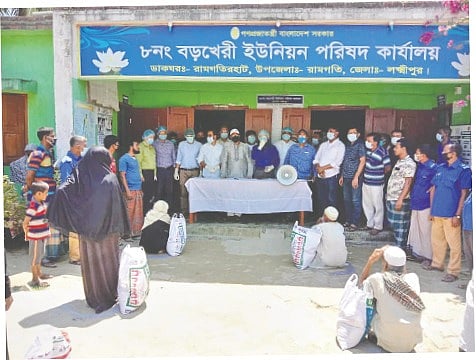
The demand for decentralization in Bangladesh is not new. Strengthening local government, expanding decision-making opportunities outside Dhaka, and bringing services to people's doorsteps have long been advocated. However, the actual trajectory of the state has often been the opposite. Power, resources, and decision-making authority have become increasingly centralized. To change this situation, good planning alone is insufficient; one must understand the historical character of the state, the distribution of power, and the political and administrative tendencies that seek to retain that power.
Colonial Legacy and State Structure
A large part of Bangladesh's state structure carries the legacy of colonial rule. The primary objective of the colonial administration was to establish control from the top. People's participation or independent decision-making by local institutions was not a priority. After independence, while domestic political leadership took charge of governance, the fundamental character of the administrative structure remained largely unchanged. This centralized power structure persists today, putting immense pressure on Dhaka and exacerbating regional disparities.
The Need for a Political Project
Analysts believe a clear political project is required to relocate state functions outside the capital. Such a project could ensure administrative decentralization, empower local governments, and guarantee public participation in decision-making processes. Only then can the vision of transforming Dhaka into a livable, suffering-free metropolis by 2036 become a reality.