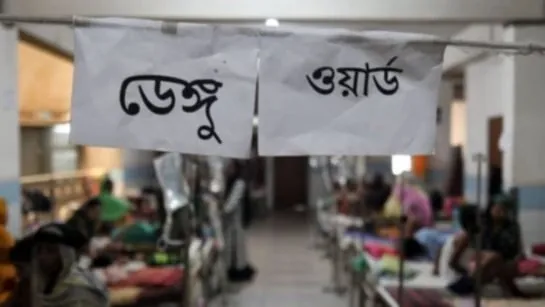
Three more people died of dengue in Bangladesh in the past 24 hours, while 1,347 new patients were hospitalised across the country during the same period. The fatalities raised this year's death toll from the mosquito-borne disease to 513, according to the daily national dengue situation figures published on Friday, November 20.
The figures were carried by Bangladesh Pratidin and The Business Standard, with no discrepancies between the two reports on either deaths or admissions. The Business Standard reported that a total of 1,347 new dengue patients were hospitalised across the country in the 24 hours, and that the cumulative death toll had reached 513. Bangladesh Pratidin published matching numbers in its Bengali report.
One-Day Snapshot
The daily tally shows that more than a thousand patients required hospital admission in a single day, alongside three newly confirmed deaths. The pace indicates that transmission remains active at a concerning level even as the season draws toward its close, and that hospitals continue to face sustained patient load.
"A total of 1,347 new dengue patients were hospitalised across the country in the 24 hours," The Business Standard reported.
Neither outlet's report, however, identified the three deceased individuals, their home districts, or the facilities where they died. The reports also did not state the cumulative number of infections this year, the total number of patients currently hospitalised, or the split between home-care and admitted cases. Those figures were not available in the published summaries at the time of filing.
The Significance of 513 Deaths
Crossing 500 deaths this year reflects the entrenched seasonal epidemic pattern dengue has followed in Bangladesh since the first major outbreak in 2000. The country went through its deadliest dengue season on record in 2023, when an unprecedented number of people lost their lives. Against that backdrop, the daily count of deaths and admissions has become a key indicator for public health monitoring, with each fatality drawing attention from health authorities and observers alike.
How Dengue Spreads
The dengue virus is transmitted by Aedes mosquitoes, primarily Aedes aegypti. The insect lays eggs in clean, stagnant water, which collects in flower vases, water tanks, air-cooler trays, discarded tyres and rooftops of under-construction buildings.
Aedes mosquitoes typically bite in the early morning and late afternoon, making daytime protection essential. In Bangladesh, transmission rises during the monsoon and post-monsoon months and generally persists into November, a pattern consistent with the current daily figures.
Symptoms and Warning Signs
Common symptoms of dengue include sudden high fever, severe headache, pain behind the eyes, muscle and joint pain, nausea or vomiting, and skin rashes. A patient's condition may deteriorate within two to three days of the fever's onset.
Severe abdominal pain, repeated vomiting, bleeding from the gums or nose, extreme weakness, restlessness and reduced urination are considered danger signs. Standard medical guidance advises patients showing these signs to reach a hospital without delay, as timely fluid management can prevent severe outcomes.
Prevention Measures
Standard expert advice calls for discarding stagnant water from homes and surroundings at least once a week, keeping flower vases and water containers clean, and preventing water from pooling at construction sites. Mosquito nets and repellents are recommended even during the day.
Prompt testing after fever onset, and hospital care when warning signs appear, remain central to reducing fatalities. Public participation alongside city corporation and local government mosquito-control operations is widely regarded as decisive.
What Comes Next
Surveillance continues through the daily situation reports, and the coming days' figures will show whether the admission trend is easing. Controlling the death toll ultimately rests on mosquito control, early case detection and timely hospital treatment.