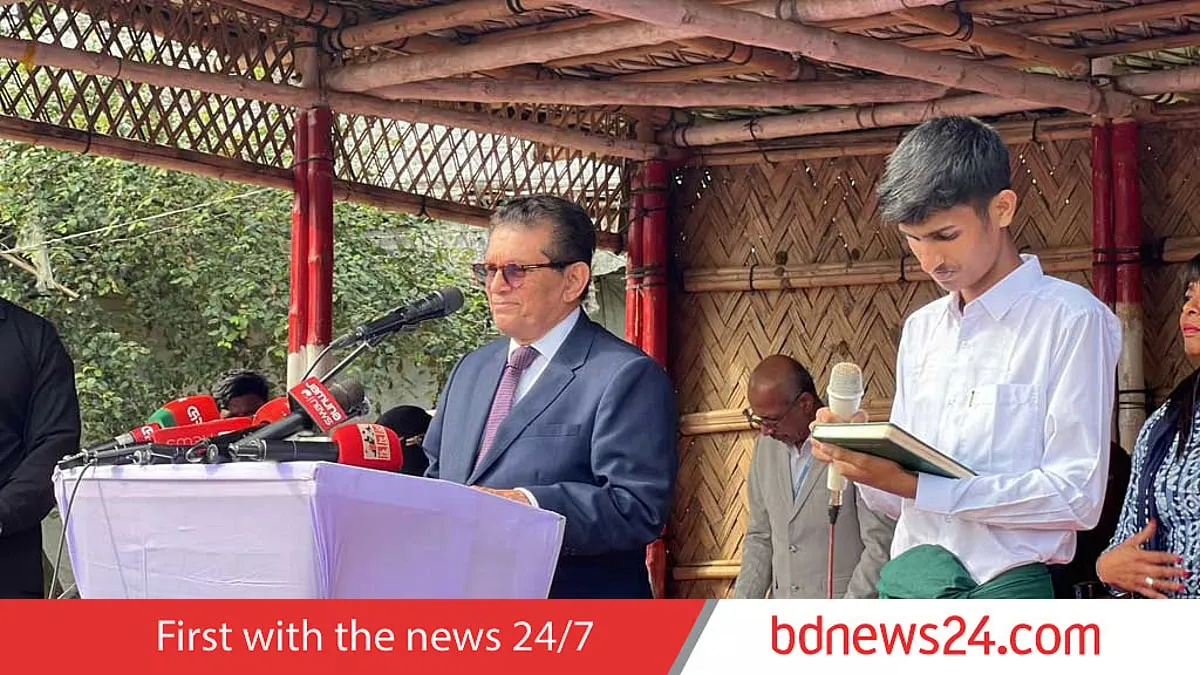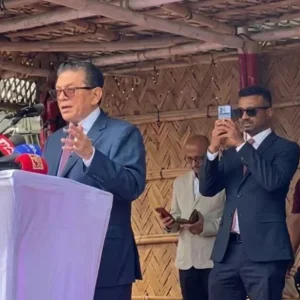
Dr Khalilur Rahman, President of the United Nations General Assembly and Bangladesh's Foreign Minister, visited the Rohingya refugee camps in Ukhiya, Cox's Bazar, on Friday morning (20 November). The visit came exactly one day after the International Court of Justice (ICJ) in The Hague delivered its ruling in the genocide case against Myanmar, Dhaka Tribune and New Age reported.
The visit by a figure holding both the UNGA presidency and Bangladesh's top diplomatic post signals combined national and international attention on the plight of the Rohingya sheltering in Bangladesh following the court's landmark ruling. Both outlets confirmed the tour in reports published on Friday morning.
Arrival at Camp 4 on Friday Morning
Dhaka Tribune reported that Dr Rahman arrived at Rohingya Camp 4 in Ukhiya shortly after 8:45am on Friday, where refugees welcomed him.
"He arrived at Rohingya Camp 4 in Ukhiya around 8:45am on Friday, where refugees welcomed him." Dhaka Tribune reported.
According to the outlet, he spoke with the refugees during the visit. However, the preliminary reports did not include details of the discussions or any direct statement from Dr Rahman himself.
ICJ Ruling and the UN Chief's Welcome
The ICJ delivered its ruling on Thursday (19 November) in the genocide case brought against Myanmar. UN Secretary-General António Guterres welcomed the judgment following its announcement, New Age reported. Detailed remarks from the Secretary-General were not included in the initial report.
The dual capacity in which Dr Rahman conducted the visit, as both president of the UN General Assembly and Bangladesh's foreign minister, underlines the convergence of Dhaka's and the United Nations' focus on the Rohingya issue at this juncture.
Background
More than one million Rohingya currently shelter in camps across Ukhiya and Teknaf in Cox's Bazar, the vast majority having fled Myanmar's Rakhine State after the 2017 military crackdown. The genocide case at the ICJ proceeds under the UN Genocide Convention, filed against Myanmar by The Gambia in 2019.
Although efforts to secure a safe, dignified and sustainable return of the Rohingya to Myanmar have continued for years, they have yet to yield results. Against this backdrop, the implications of the ICJ ruling for the repatriation and justice processes will be closely watched in upcoming diplomatic and legal moves.
No official reaction or detailed comment on the ruling from Dr Rahman's side has been issued following the camp visit. Media outlets await formal statements on both the visit and the ruling.