The International Court of Justice (ICJ), the United Nations' highest judicial body, has found Myanmar guilty of genocide in connection with the 2017 military crackdown against the Rohingya minority. The landmark ruling, delivered Thursday in The Hague, Netherlands, concludes seven years of legal proceedings.
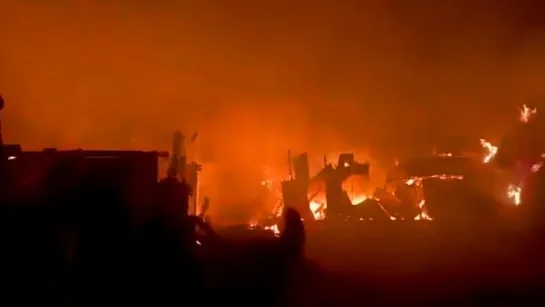
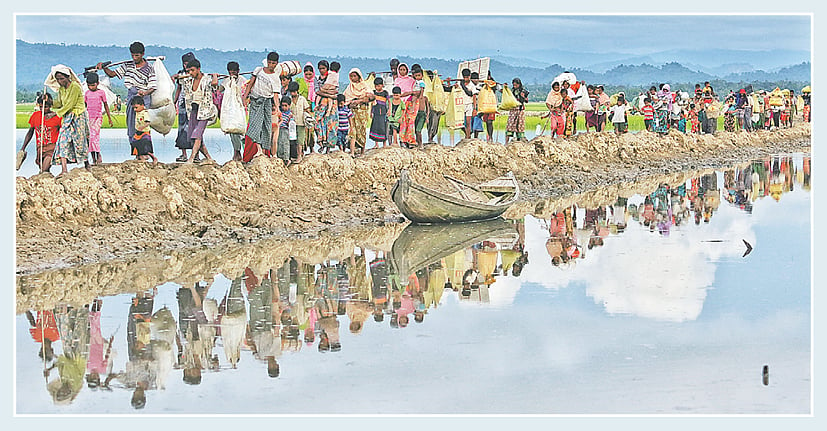
Court President Judge Iwasawa Yuji stated that Myanmar's security forces killed approximately 10,000 Rohingya during the so-called "clearance operations" of 2017. The court found that security forces committed widespread sexual violence, perpetrated extreme violence against children, and attacked Rohingya civilians as they attempted to flee to Bangladesh. The judge affirmed there was a reasonable basis to conclude that these acts were committed with genocidal intent.
Significance of the Ruling
Legal analysts describe the verdict as a potential turning point for Rohingya rights, calling it a critical opportunity for the re-establishment of their fundamental rights. The ruling establishes a significant precedent in international law, potentially opening the door for further legal actions against Myanmar and reinforcing accountability mechanisms for crimes against humanity worldwide.US and European Reactions
Following the verdict, policymakers in Washington and European capitals have initiated urgent consultations. The US State Department has welcomed the ruling and reportedly pledged to maintain international pressure on Myanmar. Meanwhile, European nations are considering imposing new sanctions against Myanmar in light of the court's findings, according to diplomatic sources.Questions remain regarding the immediate implementation of the ruling. Myanmar's military junta has previously refused to recognize the court's jurisdiction. The international community now watches closely to determine what diplomatic and legal measures will be deployed to enforce the judgment.
Bangladesh's Position
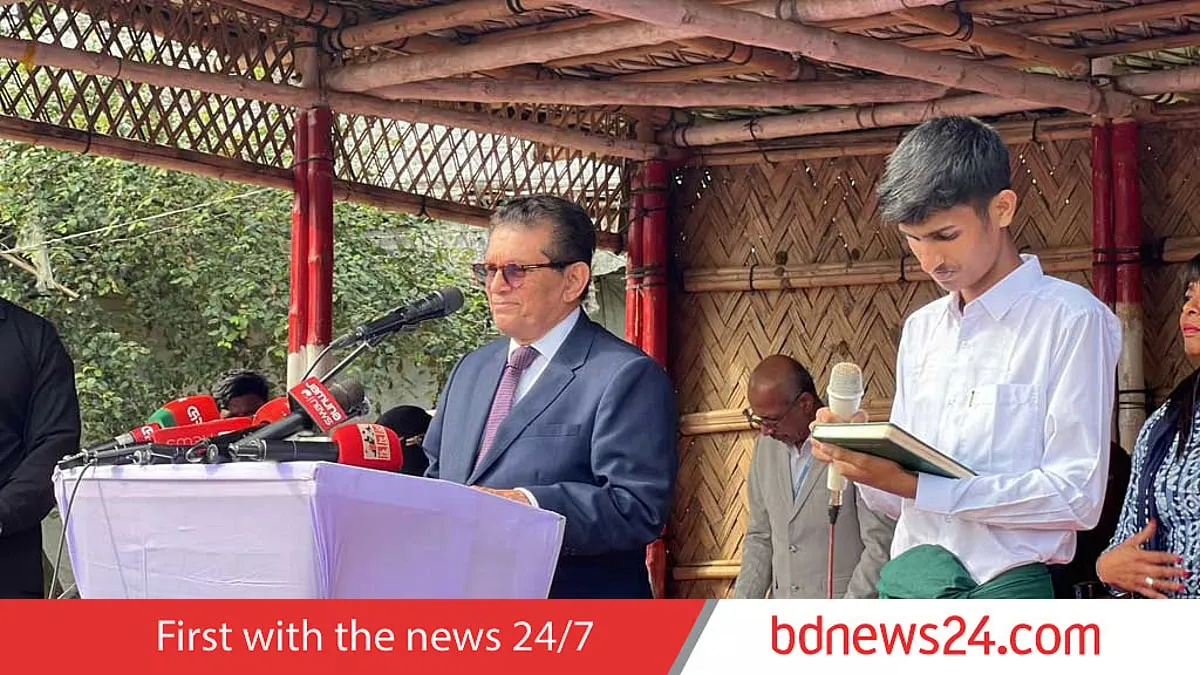
Bangladesh, which has long advocated for the internationalization of the Rohingya crisis and their safe repatriation, is expected to see its position strengthened by this ruling. Over one million Rohingya refugees currently reside in camps in Cox's Bazar, Bangladesh.Reactions among Rohingya refugees have been mixed. Many view the ruling as a first step toward justice, while others express skepticism about its implementation. International human rights organizations have welcomed the verdict and called for ensuring accountability for Myanmar.