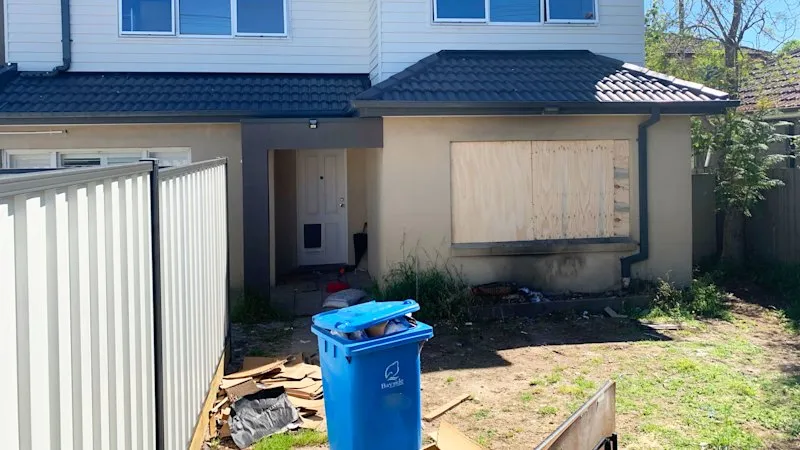
Sixteen more branches of Grameen Bank have come under arson attacks, according to a report published by the Dhaka-based English daily The New Age early on Thursday. The report's headline stated that the branches had "come under arson attacks." The initial report did not provide the names of the affected branches, an estimate of the damage, details of any casualties, or the identity of those responsible.
The cumulative attacks on the microcredit lender's branch network carry direct implications for the country's banking and microfinance operations. The publication of three separate reports in a single night, covering an arson attack on a senior political leader's home and fresh factory closures alongside the bank fires, has raised questions about the prevailing law-and-order situation.
"16 more Grameen Bank branches come under arson attacks" — The New Age report headline.
Background on Grameen Bank
Grameen Bank is one of Bangladesh's leading microcredit institutions, founded under the leadership of Nobel Peace Prize-winning economist Muhammad Yunus. The bank primarily provides small loans to poor borrowers, including rural women, and operates a wide network of branches across the country's districts. An arson attack at the branch level risks destroying borrower records and disrupting loan operations at those offices.
The use of the word "more" in the report's headline indicates that branches of Grameen Bank had come under similar arson attacks previously, and that the latest 16 branches represent a new addition to that series. The available report, however, did not specify the number, timing or locations of the earlier incidents.
Arson at Shamim Osman's home in Narayanganj
In a separate report published on Wednesday night, the same outlet reported that the Narayanganj home of prominent Awami League leader Shamim Osman was set on fire. Osman has long been an influential figure in the politics of Narayanganj and is a former member of parliament. The initial report did not detail the condition of the site, the extent of the damage, or whether anyone had been detained in connection with the incident.
More garment factories shut amid wage protests
In another report published early on Thursday, The New Age stated that more ready-made garment units had shut down amid ongoing protests over wages. The textiles and apparel sector is Bangladesh's largest export earner, and wage disputes have long been a recurring issue in the industry.
The use of "more" in the headline indicates that a number of factories had already closed in the face of protests. The available summary did not include the names, locations or the exact number of the newly shut factories.
Links between the incidents remain unclear
All three reports were published by the same outlet between Wednesday night and early Thursday. However, the reports did not establish any direct connection between the arson attacks on the bank branches, the fire at the politician's home, and the factory closures. No independent evidence of a causal relationship among the incidents has emerged either.
Next steps
The arson incidents are likely to fall under investigation by the relevant authorities. The available reports contained no official statements from law enforcement agencies, Grameen Bank authorities, garment factory owners' associations or the government. When the damaged branches will resume operations, how the workers' wage demands in the closed factories will be resolved, and whether legal steps will follow the Narayanganj incident remain to be announced by the parties concerned.