The High Court has issued a rule questioning the legality of the Anti-Corruption Commission's (ACC) press conference regarding National Citizens' Party (NCP) spokesperson Asif Mahmud, where the agency claimed to have found 'preliminary evidence' against him. The court has asked why this action should not be declared illegal.
Rule Issued After Hearing
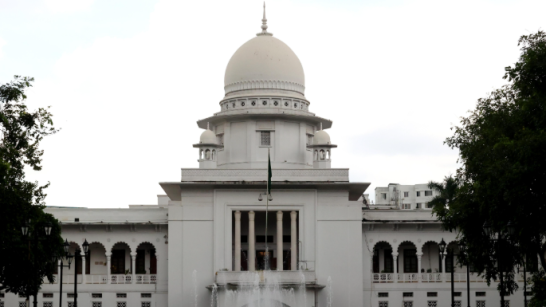
According to court sources, the rule was issued on 4 November following the conclusion of hearings on a writ petition filed by Asif Mahmud. The petition challenged the ACC's press briefing held on 29 October, during which the commission announced it had found 'preliminary evidence' against the NCP leader.A bench comprising Justice Md Nazrul Islam Talukder and Justice Kazi Md Ebadat Hossain issued the rule. The ACC secretary, law secretary, and the head of the ACC's investigation wing have been ordered to respond within four weeks.
Court's Observations
During the hearing, the court questioned whether it is legally permissible for the ACC to publicize claims of 'preliminary evidence' before initiating a formal investigation. The bench also raised concerns about whether the commission has the authority to potentially damage an individual's reputation through press briefings before due process.Lawyers representing the petitioner argued that under Section 17(4) of the ACC Act 2004, information can only be disclosed after formal charges are framed. They contended that leaking information to the media before an investigation begins violates the law.
Asif Mahmud's Position
Asif Mahmud, in his capacity as NCP spokesperson, has previously stated that the move amounts to political harassment. His legal team argued before the court that the ACC's actions violate Articles 31 and 32 of the constitution, which protect an individual's right to reputation and livelihood."Preliminary evidence is not a concept recognized in law before the start of an investigation," the petitioner's counsel told the court. "This term appears to have been coined solely for media consumption."
Next Steps
The ACC and other respondents have been given four weeks to respond to the rule. Following their submissions, the court will set a date for the final hearing. Legal experts suggest that this ruling could significantly alter how investigative agencies in Bangladesh handle media communications in the future.The ACC has not yet issued an official response to the court's rule. However, the commission previously maintained that it has acted within legal bounds.