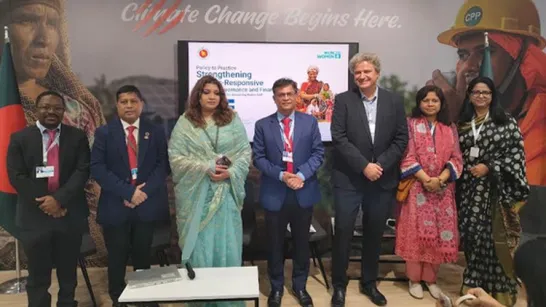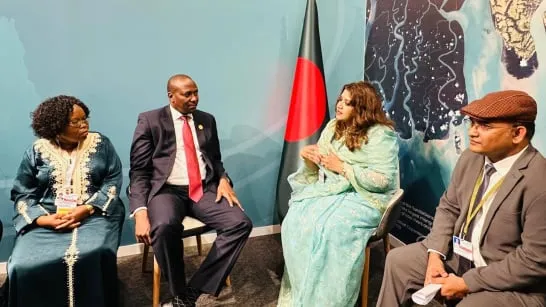
The Bangladesh Pavilion drew considerable attention on the opening day of the United Nations Climate Change Conference (COP31) in Türkiye. On the first day of the summit, a significant bilateral meeting took place between representatives of Bangladesh and Eswatini, focusing on climate cooperation, jute trade, and the healthcare sector.
Bangladesh highlights renewable energy targets
During the meeting, the Bangladeshi delegation presented the country's ambitious targets for the renewable energy sector. The discussions underscored the government's goal of generating 20% of the country's total electricity from renewable sources by 2030 and 30% by 2040. Areas requiring technological support and investment to achieve these targets were also key points of discussion.Potential in jute trade and healthcare
The dialogue emphasized strengthening mutual cooperation among developing nations vulnerable to climate change. Delegates exchanged views on expanding jute trade and exploring joint initiatives in the healthcare sector. Given the rising global demand for eco-friendly jute products, the potential for deepening commercial ties between the two nations in this sector was highlighted.Pavilion draws crowds on day one
The Bangladesh Pavilion saw a steady flow of visitors, including delegates from various countries, environmental organizations, and journalists, on the opening day. The pavilion attracted attention for showcasing Bangladesh's experience and initiatives in tackling climate change impacts. Exhibits at the pavilion highlight the country's climate adaptation programs, green initiatives, and various aspects of sustainable development.Following the meeting, representatives from both nations agreed to work on a concrete framework for future cooperation in these sectors. Several more key sessions and bilateral meetings are scheduled at the Bangladesh Pavilion during the remainder of the COP31 summit.