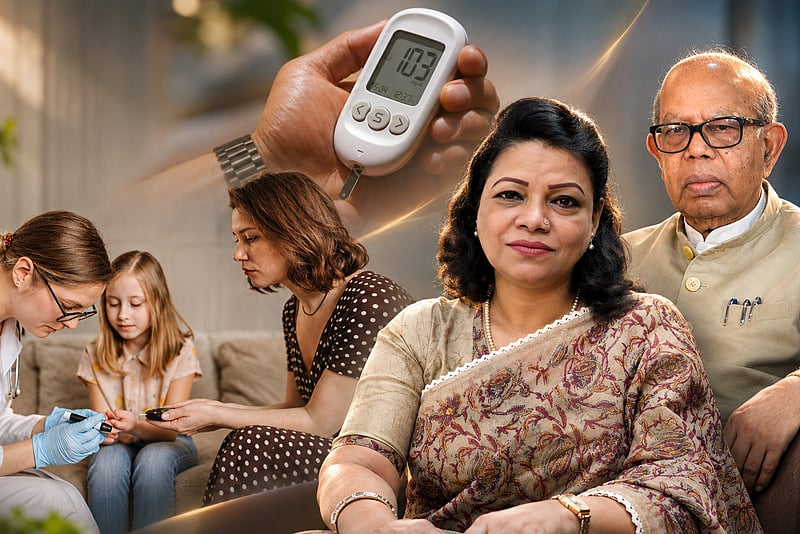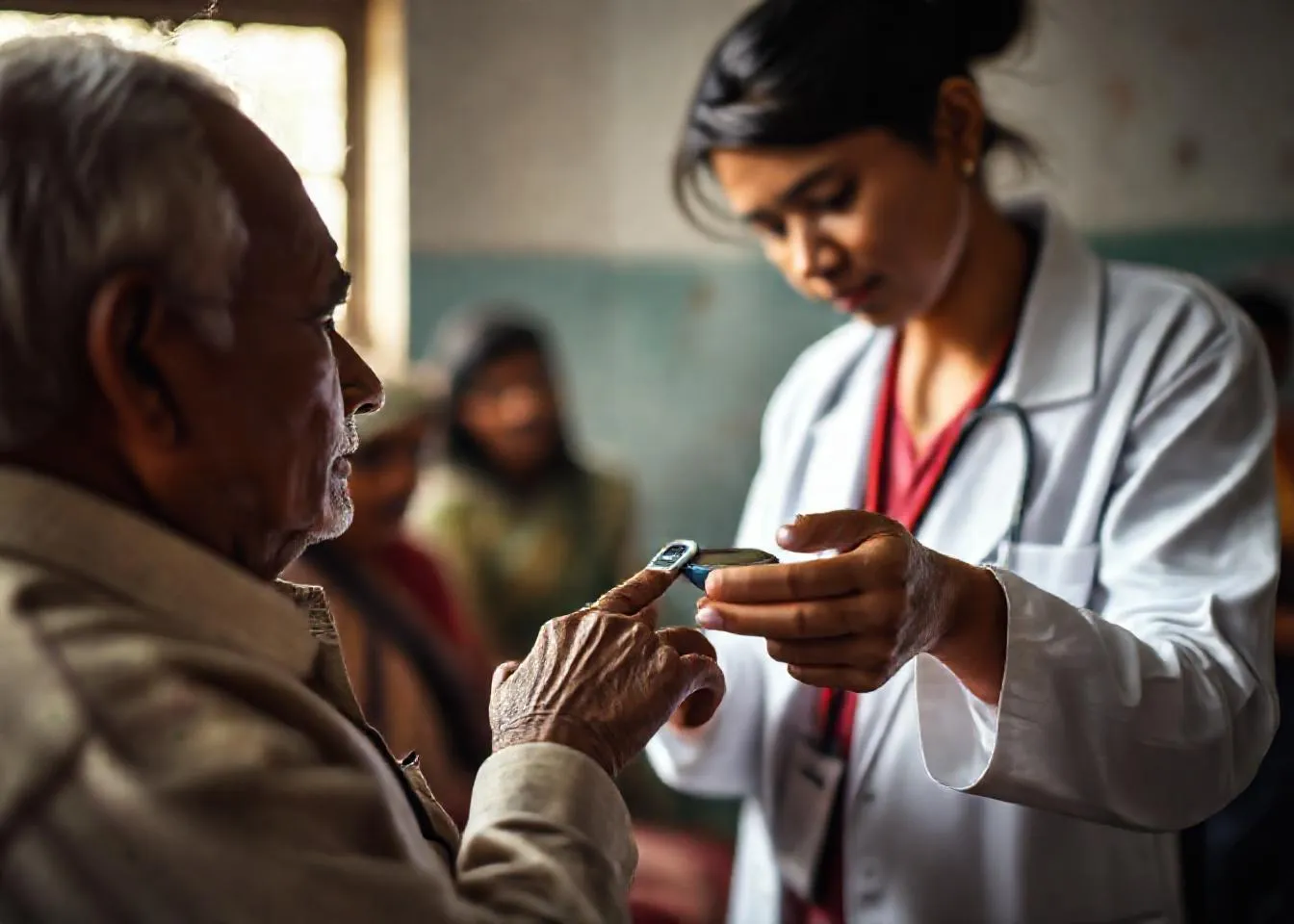
Bangladesh ranks seventh globally in the number of diabetes patients. According to the latest 2025 data from the International Diabetes Federation (IDF), an estimated 13.9 million people in the country are living with diabetes. However, in terms of healthcare spending on diabetes, Bangladesh ranks among the lowest in the world, creating a significant financial crisis for patients.
Experts say diabetes treatment in Bangladesh is largely dependent on the private sector. Due to a lack of adequate infrastructure for diabetes management in public healthcare, most patients are forced to rely on private hospitals and clinics. This increases out-of-pocket expenses for patients, making treatment even more inaccessible for low-income populations.
Achieving 2030 targets nearly impossible
According to experts, Bangladesh is significantly lagging in diabetes prevention and treatment. They believe it is nearly impossible for the country to achieve the national and international targets set for diabetes control by 2030. They identify the lack of public awareness, inadequate healthcare infrastructure, and weak implementation of preventive programs as the primary reasons for this shortfall.
Experts' warning on World Diabetes Day
Experts highlighted these findings at an event held in the capital on Friday (November 13) to mark World Diabetes Day. The event was attended by Health and Family Welfare Minister Sardar Md.
Sakhawat Hossain MP, Director General of the Directorate General of Health Education Professor Dr. Nazmul Hossain, Vice-Chancellor of Bangladesh Medical University Professor Dr.
F.M. Siddiqui, and other leading physicians and specialists from across the country.
Dr. Faria Afsana, Head of the Endocrinology Department at BIRDEM and President of the Bangladesh Endocrine Society, along with Dr. Shahjada Selim, Associate Professor of Endocrinology at Bangladesh Medical University and President-elect of the Society, and other experts emphasized the need for urgent action to control diabetes.
What needs to be done
Experts say proactive preparation and swift action are crucial to tackling the risk of diabetes. This requires raising widespread public awareness, promoting healthy eating habits and regular physical activity, and strengthening early diagnosis systems. They also called for effective government measures to make diabetes treatment affordable and accessible.