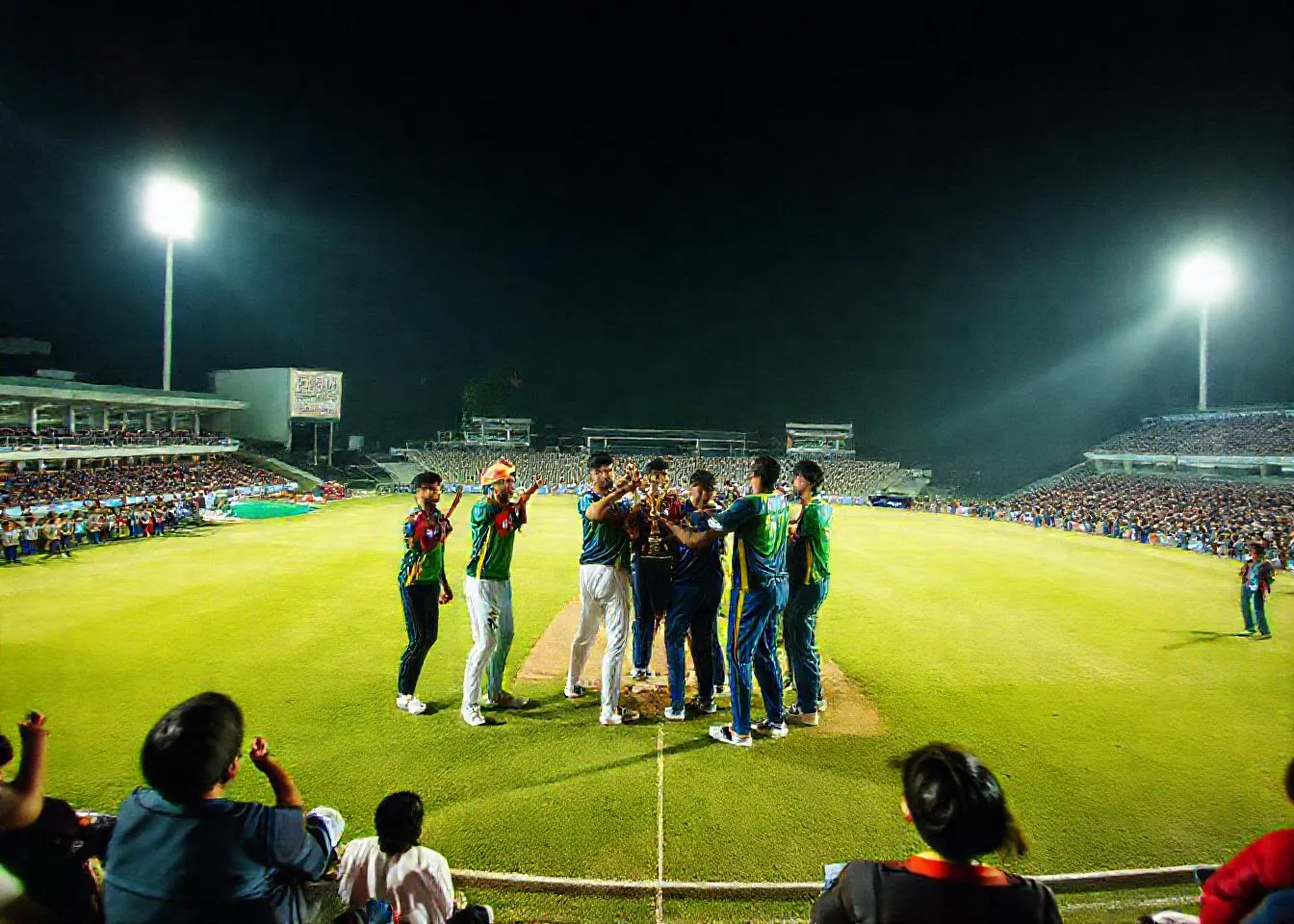
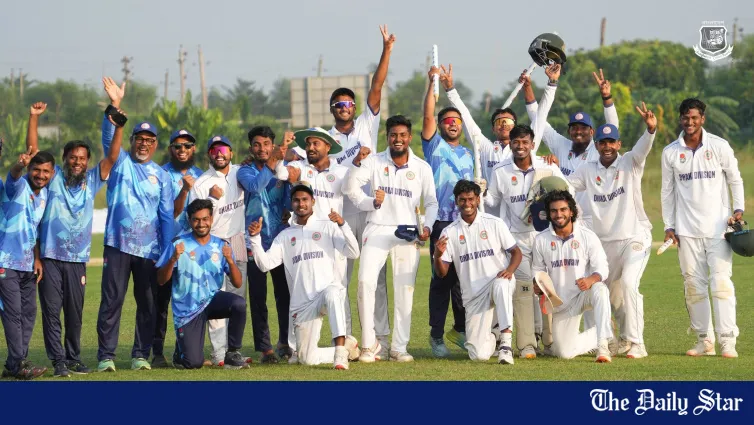
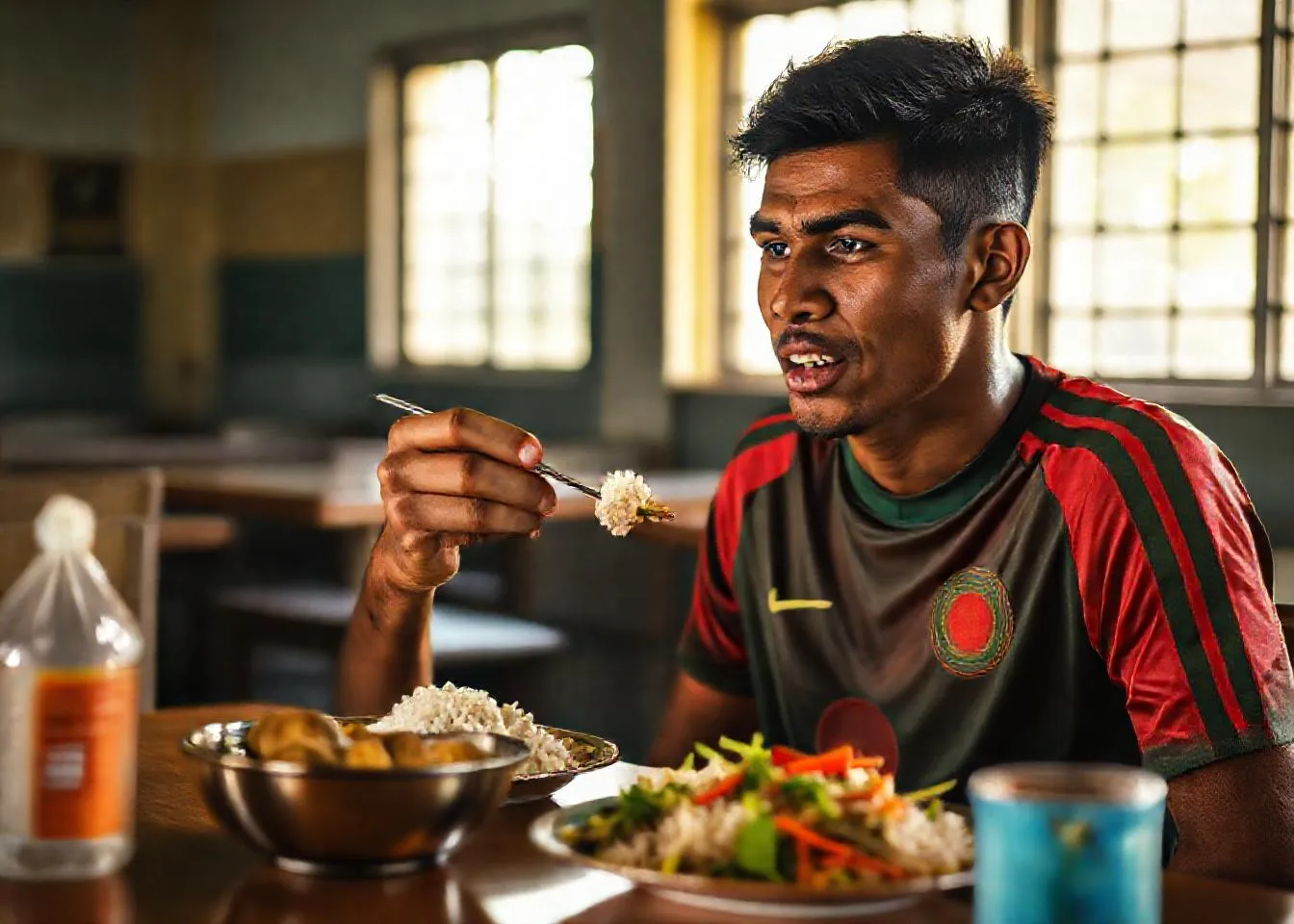
A fresh debate has emerged in the sporting community regarding the dietary habits of the Bangladesh national football team. Under the spotlight of the topic 'What do Bangladeshi footballers eat', experts have clarified that the popular perception about protein's role in muscle building is often misleading.
FactaGrid
https://factagrid.com
Sports
14 November 2026, 1:17 PM
Sports
Bangladeshi Footballers' Diet and Protein's Role in Muscle Growth: What Experts Say
Amid growing discussions about what Bangladeshi footballers eat, nutrition experts have clarified that consuming more protein alone does not build muscle. A combination of proper training, adequate rest, and a balanced diet is essential for muscle development.
14 November 2026, 1:02 PM
|
2 min read
Listening...
Bangladeshi Footballers' Diet and Protein's Role in Muscle Growth: What Experts Say
০০:০০
/
০০:০০
Sources Used
📚 This report is synthesized from the following sources:
Ju
Jugantor
View original article →
Ju
Jugantor
View original article →Leave a comment
Be the first to comment.