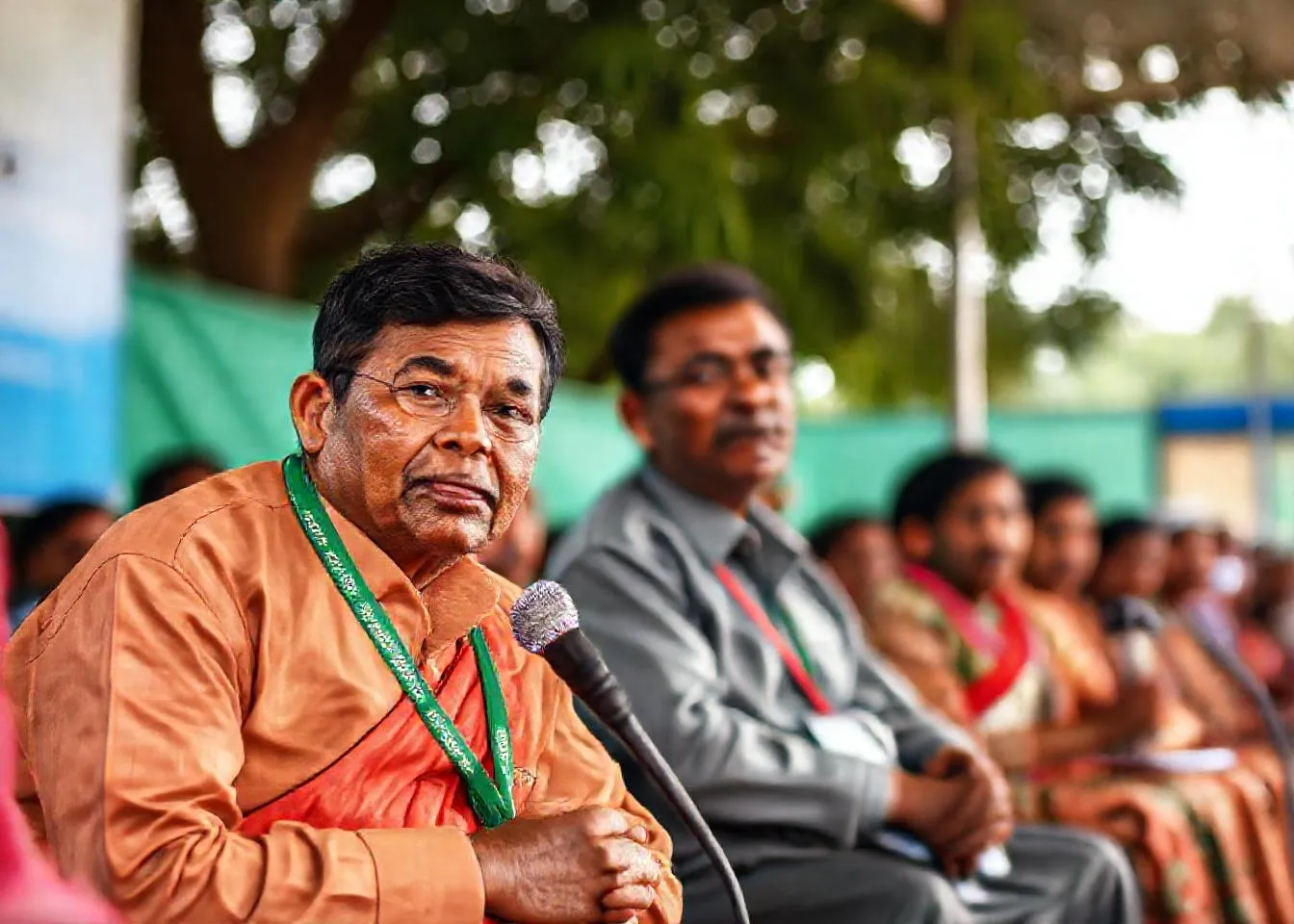
Bangladesh's position on climate change and the complexities of its energy policy have come to the forefront of discussions at the international climate summit, COP31. The nation has pledged to transition to renewable energy in the fight against global warming, while simultaneously preparing to extract fossil fuels to ensure domestic energy security.
The Dichotomy of Gas Extraction and Climate Pledges
According to a report from the Dhaka Tribune, Bangladesh is preparing to extract gas from the Inani area in Cox's Bazar. This initiative is seen as part of the country's efforts to meet its growing energy demand.
However, environmentalists may question whether this decision conflicts with Bangladesh's declared climate goals at COP31. The expansion of fossil fuel projects contrasts with the summit's focus on the need for financing and technology transfer for developing nations.
Progress in Renewable Energy
Meanwhile, a report from New Age states that Tandhan DPT showcased its renewable energy and solar products at the Power Bangladesh Expo. This exhibition indicates the growing importance of sustainable solutions in the country's energy sector. At COP31, Bangladeshi delegates are likely to highlight such initiatives as part of their climate adaptation and mitigation strategies, strengthening their call for developed nations to commit to deeper emission cuts.
Governance Crisis Alongside Climate Talks
Amidst the COP31 deliberations, another New Age report has expressed concern over mob violence in Bangladesh and the associated culture of impunity. Analysts suggest that tackling the impacts of climate change requires not only funding and technology but also good governance and the rule of law.
Weaknesses in the legal framework could pose a significant barrier to the effective implementation of critical issues such as disaster management and the protection of climate refugees. Efforts are underway to raise these issues in various side events held alongside the main summit.
The Road Ahead
Bangladesh's position at COP31 is clear: to strengthen its demand for climate funds and technology from developed nations, which are historically responsible for carbon emissions. At the same time, reducing dependence on fossil fuels to meet domestic energy security and economic growth needs remains a difficult challenge. The final declaration of the summit is expected to reflect this dual pressure, potentially setting a precedent for other developing countries.