Dhaka, the capital of Bangladesh, ranked as the world's most polluted major city on Tuesday morning. According to the live list of IQAir, a Swiss-based air quality monitoring organization, Dhaka recorded an Air Quality Index (AQI) of 336 at 8:30 am, a level classified as 'hazardous'.
Kolkata in India secured the second position on the list with an AQI of 266, while Lahore in Pakistan ranked third with an AQI of 219. The current AQI reading in Dhaka is the highest recorded this season, and experts believe the situation could deteriorate further.
Primary Pollutant
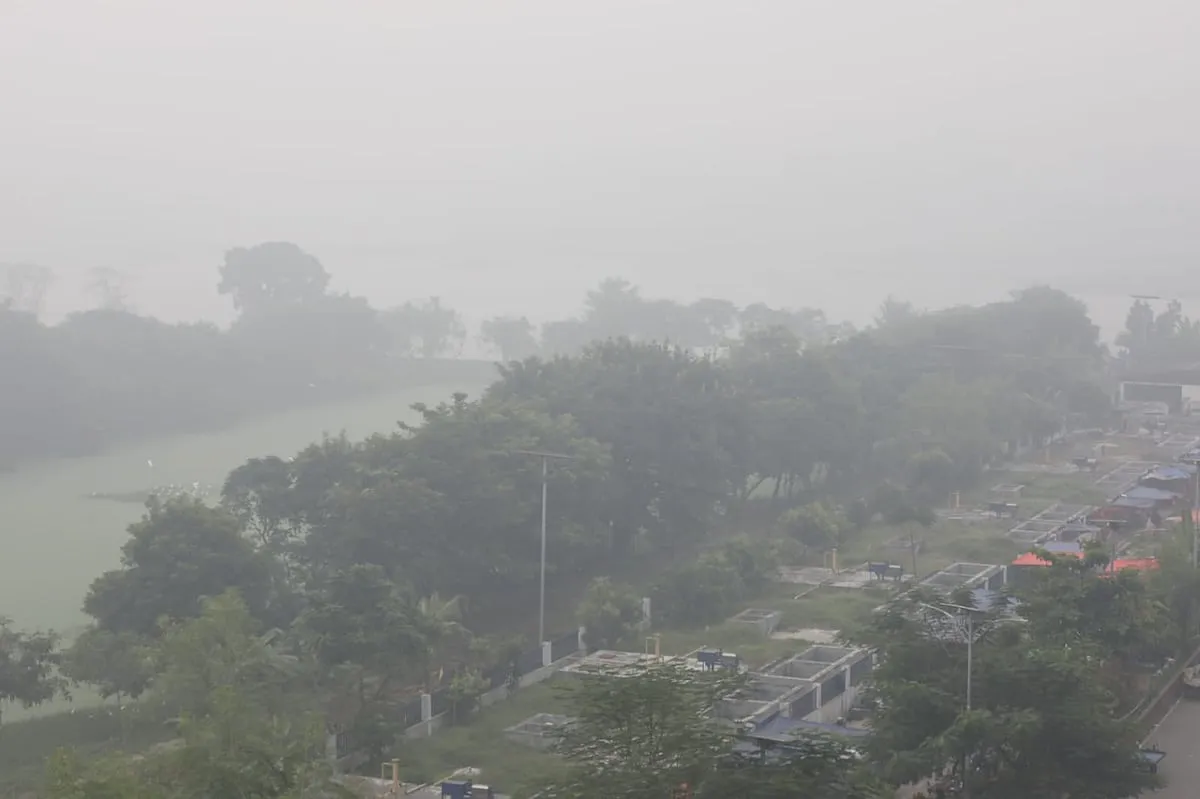
The main pollutant in Dhaka's air is fine particulate matter, known as PM 2.5. On Tuesday, the concentration of PM 2.5 in Dhaka's air was measured at 243.3 micrograms per cubic meter, which is 48.7 times higher than the annual guideline value set by the World Health Organization (WHO). These particles are so fine that they can easily enter the body through the respiratory tract, posing severe health risks.Due to the pollution, the sky over Dhaka appeared hazy on Tuesday morning. The situation was observed in the Karwan Bazar area at 8:00 am. Experts note that at the onset of winter, changes in atmospheric layers and increased humidity often trap pollutants in the air, potentially worsening the situation further.
Health Risks and Precautions
An AQI reading between 301 and 500 is categorized as 'hazardous'. Under such conditions, even healthy individuals are at risk if they remain outdoors for extended periods. The situation is particularly severe for those suffering from respiratory issues, asthma, or heart disease. Experts are advising people to avoid unnecessary outdoor activities and to wear masks when going outside.Environmental organizations have urged authorities to take effective measures to control the air pollution crisis. However, no immediate official response from the government was available at the time of reporting.