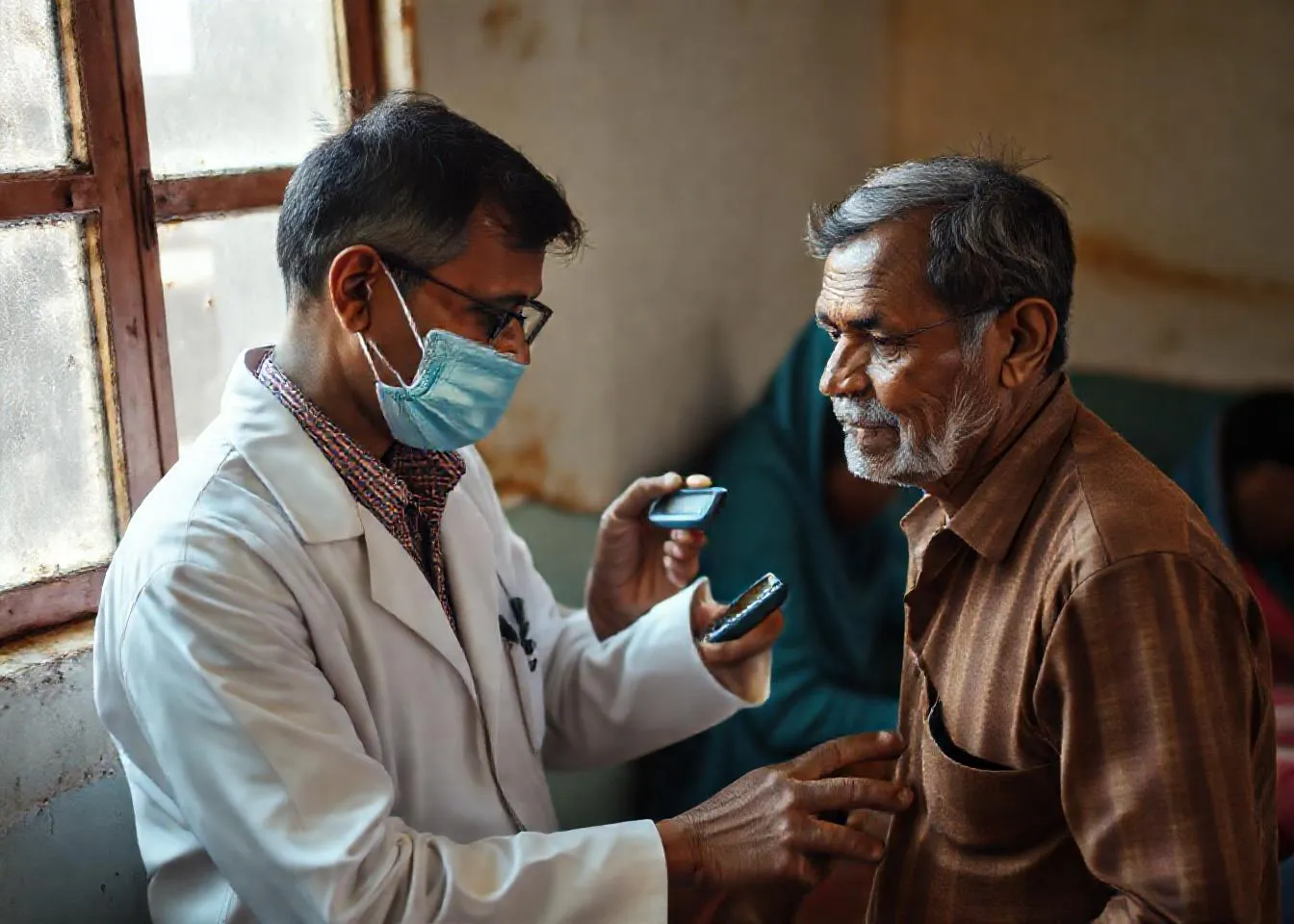
Millions of people worldwide living with diabetes remain undiagnosed, according to health experts who stressed the critical need for early detection of the disease. The warning came during a seminar organized by North South University (NSU), where physicians and specialists discussed the current landscape of the disease and strategies for prevention.
The seminar, held to mark World Diabetes Day, highlighted that diabetes often acts as a silent killer, with many individuals unaware they are affected until serious complications have already developed in vital organs.
Emphasis on Early Detection
Speakers at the seminar underscored that early diagnosis is the most crucial step in managing diabetes effectively. They noted that a significant portion of those affected do not know their status, leading to delayed treatment and a substantially higher risk of severe health issues.
According to experts, regular health screenings and increased awareness among at-risk populations are vital to reducing the prevalence of the disease. The seminar also called for comprehensive public awareness campaigns to address this growing health concern.
Global Scenario and Call for Action
Data presented at the seminar indicated that the number of people with diabetes is rising globally. However, the most alarming aspect is the large proportion of undiagnosed cases. These individuals, remaining outside the treatment net, face a significantly elevated risk of life-threatening complications such as heart attack, stroke, kidney failure, blindness, and diabetic foot ulcers.
The speakers emphasized the need for a coordinated effort involving the government, non-governmental organizations, and educational institutions to tackle this challenge. They expressed the view that by disseminating accurate information and making healthcare services more accessible, the burden of undiagnosed diabetes can be effectively mitigated.