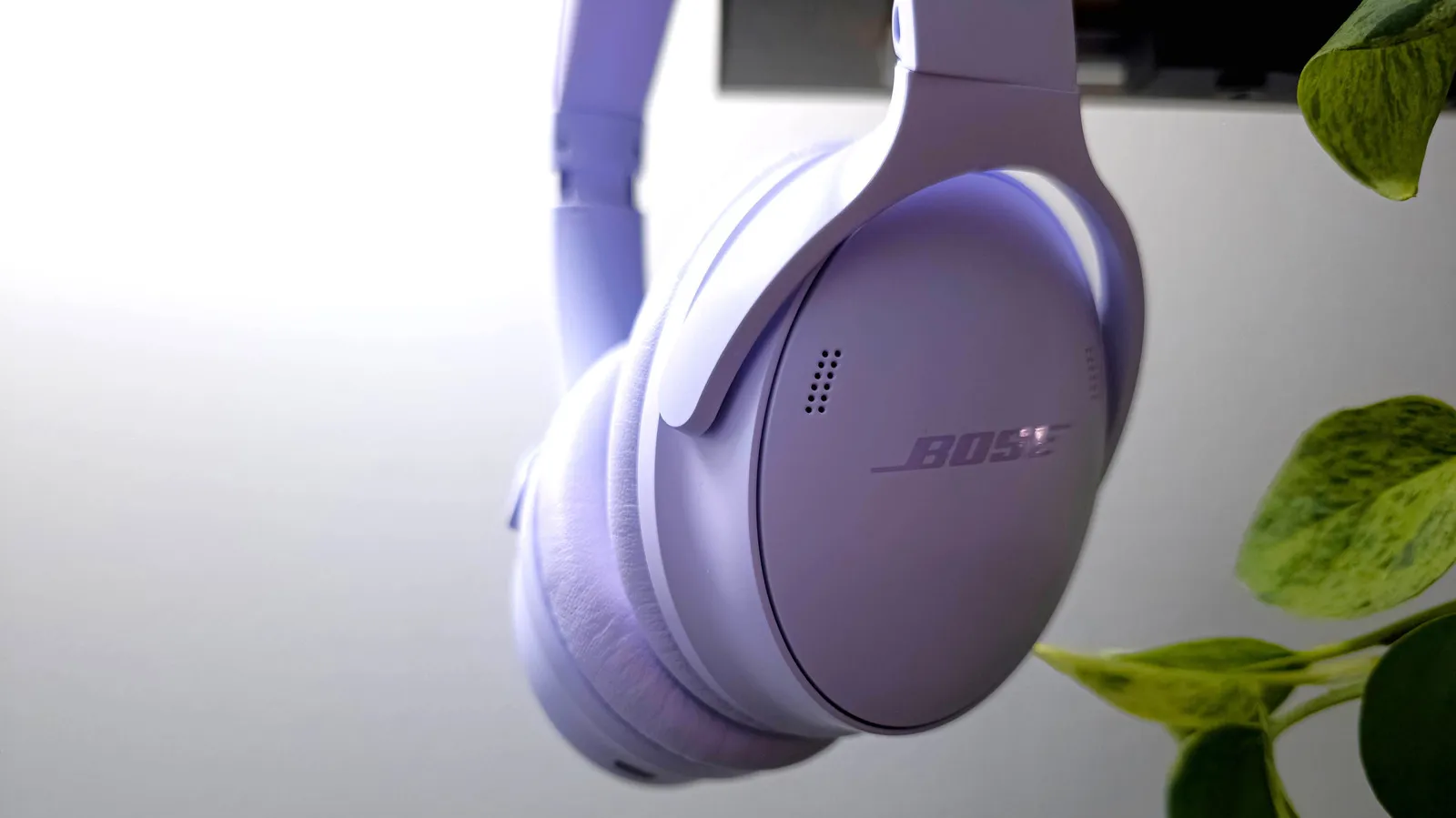
A single pair of earbuds or headphones can maintain active connections with two or more devices at the same time, a capability known as Bluetooth multipoint. When a call arrives on a phone while a laptop is playing audio, playback pauses and the call routes directly to the ears, then the original audio resumes once the call ends. Interest in the feature has resurfaced after bdnews24.com recently published a report on the topic.
Hybrid work has made juggling an office laptop and a personal phone a daily reality. Multipoint removes the friction: meetings, calls and music can all run through one headset without returning to the pairing menu each time. The capability is not universal, however, and enabling it can affect sound quality or battery life on some models.
How the technology works
In a Bluetooth link, the phone or computer acts as the source and the earbuds or speaker act as the sink. Multipoint lets the sink device hold active connections with multiple sources at once. The feature is built primarily on the Bluetooth hands-free profile, which carries calls, and the advanced audio distribution profile, which carries media.
A key distinction matters here. Most earbuds store the names of eight to ten paired devices in memory but stay actively connected to only one of them. Multipoint keeps two or more connections live simultaneously.
Switching happens in two ways. Many devices detect an incoming call or notification and shift priority on their own, while some models require the user to switch through a companion app or a button press. The speed and smoothness of that handover vary across devices and firmware versions.
Where it helps
For office workers, the most practical use is handling a laptop and phone side by side. Other common scenarios include receiving smartwatch call alerts while a phone plays music at the gym, or answering a call mid-film on a tablet while travelling. The feature is also popular among technology workers who use multiple computers.
Which devices support it
Multipoint is supported on business-class and some mid-priced models from manufacturers including Jabra, Sony, Bose, Samsung and Anker Soundcore. It is not available on every model from every brand, and many devices cap active connections at two.
Apple's AirPods take a different route: they switch automatically among an iPhone, iPad and Mac tied to the same iCloud account, which functions like multipoint in practice but differs technically. Samsung Galaxy Buds offer similar automatic switching among devices on a single Samsung account.
Limitations and caveats
With multipoint enabled, some headphones deactivate higher-quality audio codecs, which can slightly reduce music quality. The load of multiple active connections also shortens battery life and can increase latency in some cases, which may prove disruptive for video or gaming. Users unfamiliar with the behaviour can also be momentarily confused about which device is sending audio.
What to check before buying
Buyers should confirm that the packaging or the manufacturer's website explicitly mentions multipoint or dual connection. On many devices the feature must be switched on separately through a companion app. The typical setup involves pairing with the first device, returning the earbuds to pairing mode, then adding the second device.
Where the standard is heading
The next-generation LE Audio standard and the Auracast technology are opening new possibilities for shared audio and multi-source connections. As the standard matures, multipoint is expected to reach cheaper models and deliver smoother device switching. For users managing calls and meetings across several devices each day, multipoint-capable earbuds are already a practical choice.