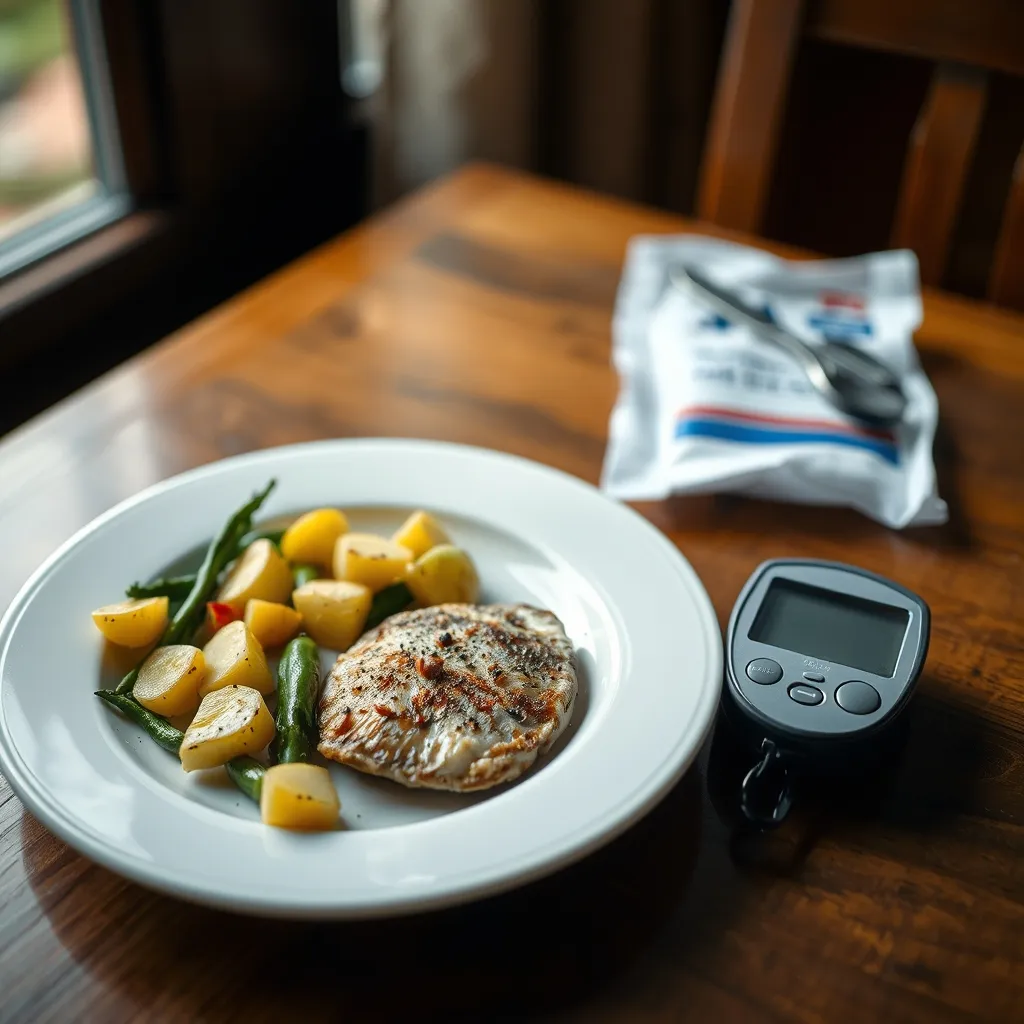
Potatoes remain a controversial food for people living with diabetes. Many believe that due to their high glycemic index, potatoes can cause a rapid spike in blood sugar levels. However, recent discussions suggest that instead of eliminating potatoes entirely, experts are advising on how to consume them safely.
Glycemic Index and Blood Sugar Impact
The carbohydrates in potatoes are digested quickly, which can raise blood glucose levels rapidly. However, the cooking method and the type of potato can significantly alter this effect. Boiled or cooled potatoes contain higher amounts of resistant starch, which raises blood sugar more slowly compared to freshly cooked hot potatoes.
Portion Size and Cooking Methods Matter
According to experts, diabetics who wish to eat potatoes should do so in small portions and combine them with other foods. Boiled or baked potatoes are considered safer than fried ones. Additionally, pairing potatoes with vegetables, lentils, or protein-rich foods can help maintain better blood sugar control.
Maintaining Dietary Balance
Nutritionists state that no food is entirely forbidden for diabetic patients; rather, portion size and overall dietary habits are crucial. When consuming potatoes, it is advised to account for the total carbohydrate intake. Regular monitoring of blood sugar levels is essential to understand individual tolerance to specific foods.
Seeking Professional Guidance
Before making any dietary changes, diabetic patients are strongly advised to consult their physician or a registered dietitian. Since each patient's physical condition, medication, and insulin dosage differ, these factors play a critical role in determining safe food choices.