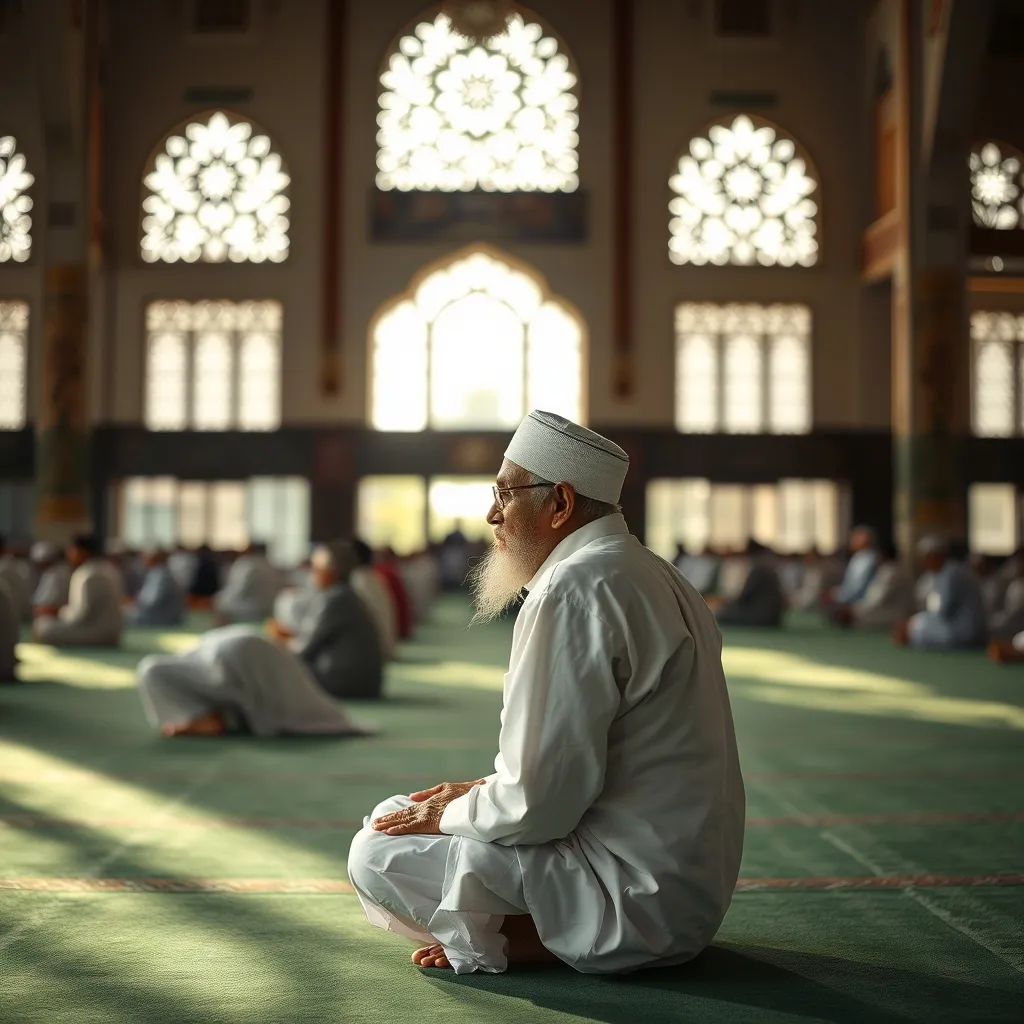
The Bengali daily Jugantor on Thursday (19 November) published two religious explainers addressing common questions among Muslims: whether prayers other than Dua Masura can be recited after the Tashahhud in the final sitting of salah, and which supplication should be recited when placing soil on a grave during burial. Islamic jurisprudence contains school-specific differences on both matters, which regularly generate questions from worshipers.
Context
National dailies in Bangladesh routinely publish religious question-and-answer features, with readership rising on Fridays. The questions concern practices directly tied to daily worship: what to recite in the final sitting of prayer and what to say while laying soil in a grave. Scholars of the four Sunni schools of jurisprudence have interpreted the rulings differently, and the majority of Muslims in Bangladesh follow the Hanafi school.
What Is Dua Masura and Where It Is Recited
Dua Masura is recited in the final sitting of prayer after the Tashahhud. The core of this prophetic supplication is a plea for refuge from the punishment of Hell, the punishment of the grave, the trials of life and death, and the trial of the false Messiah. Its transliteration reads:
"Allahumma inni a'udhu bika min 'adhabi jahannam, wa min 'adhabil-qabr, wa min fitnatil-mahya wal-mamat, wa min sharri fitnatil-masihi'd-dajjal."
Meaning: O Allah, I seek refuge in You from the torment of Hell, from the torment of the grave, from the trials of life and death, and from the evil of the trial of the false Messiah.
May Other Duas Be Recited?
In Hanafi jurisprudence, reciting Dua Masura in the final sitting is described as mustahab, or recommended. Because the content of the supplication is specific, jurists have regarded it as the most virtuous choice. A worshiper who has not memorized it may recite another supplication from the Quran or Sunnah, such as the Quranic prayer:
"Rabbana atina fid-dunya hasanatan wa fil-akhirati hasanatan wa qina 'adhaban-nar."
By contrast, the Shafi'i school permits any supplication drawn from the Quran and Sunnah after the Tashahhud and considers the supplications narrated from the Prophet Muhammad (peace be upon him) the best option. Both schools therefore allow reciting other prayers, although the Hanafi school assigns Dua Masura particular preference.
What to Recite When Placing Soil on the Grave
The second Jugantor report addressed burial rites. Narrations in hadith collections describe reciting the following words when placing the first handful of soil on a grave:
"Bismillahi wa billahi wa 'ala millati Rasulillah."
Meaning: In the name of Allah, by Allah, and upon the faith of the Messenger of Allah. Standing by the grave afterward, it is considered mustahab to pray for the deceased's forgiveness and admission to Paradise, as noted in works of Islamic jurisprudence. One commonly used supplication is "Allahummaghfir lahu warhamhu," seeking pardon and mercy for the deceased.
Next Steps
Given school-based differences in such matters of worship, readers are advised to confirm the ruling according to their own school with qualified scholars, muftis, or established Islamic fatwa institutions. Newspaper question-and-answer features are treated as general religious explanations; for specific situations, consulting scholars remains the safest course.