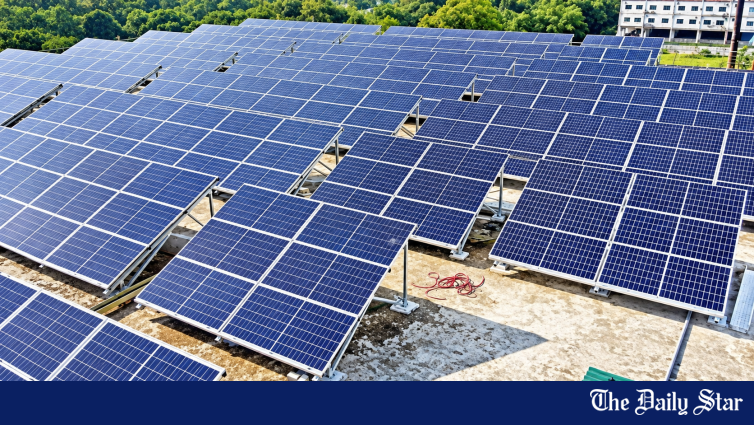
A global pledge announced at COP31 aims to secure $156 billion in annual investment to accelerate electrification. Bangladesh has joined the initiative to bring solar power to 300 million homes by 2030, seeking international support to meet its 5,500MW rooftop solar target.
12 November 2026, 3:14 PM
|
2 min read
A major global pledge was announced at the COP31 climate summit to secure $156 billion in annual investment aimed at accelerating electrification efforts worldwide. The commitment is designed to expand access to clean and sustainable electricity services, particularly in developing nations.
Alongside this pledge, Bangladesh has announced its participation in a large-scale global initiative to bring solar power to 300 million homes by 2030. As part of this program, Dhaka is seeking international support and partnerships to achieve its national target of installing 5,500 megawatts of rooftop solar capacity.
Context of the Global Pledge
The primary objective of the $156 billion annual investment pledge is to reduce dependence on fossil fuels and expedite the transition to renewable energy in response to climate change impacts. The funds are expected to be channeled into electrification infrastructure, technology transfer, and the development of a skilled workforce. This initiative is viewed as a critical financial mechanism to help developing countries advance on a climate-resilient growth path.
Bangladesh's Solar Power Target
Bangladesh's goal of generating 5,500MW from rooftop solar installations is a key component of its national energy strategy. Achieving this target would significantly increase the share of renewable energy in the country's power mix and benefit millions of households in both rural and urban areas. With international assistance and investment, the necessary technology, financing, and technical expertise for this sector are expected to become more accessible.
Bangladesh's Position at the Summit
Bangladesh's participation at COP31 underscores its status as one of the countries most vulnerable to climate change. Securing adequate financing from developed nations for loss and damage, as well as for adaptation and mitigation strategies, remains Dhaka's core priority. By joining this new solar expansion initiative, Bangladesh aims to contribute to global climate goals while simultaneously strengthening its own energy security.