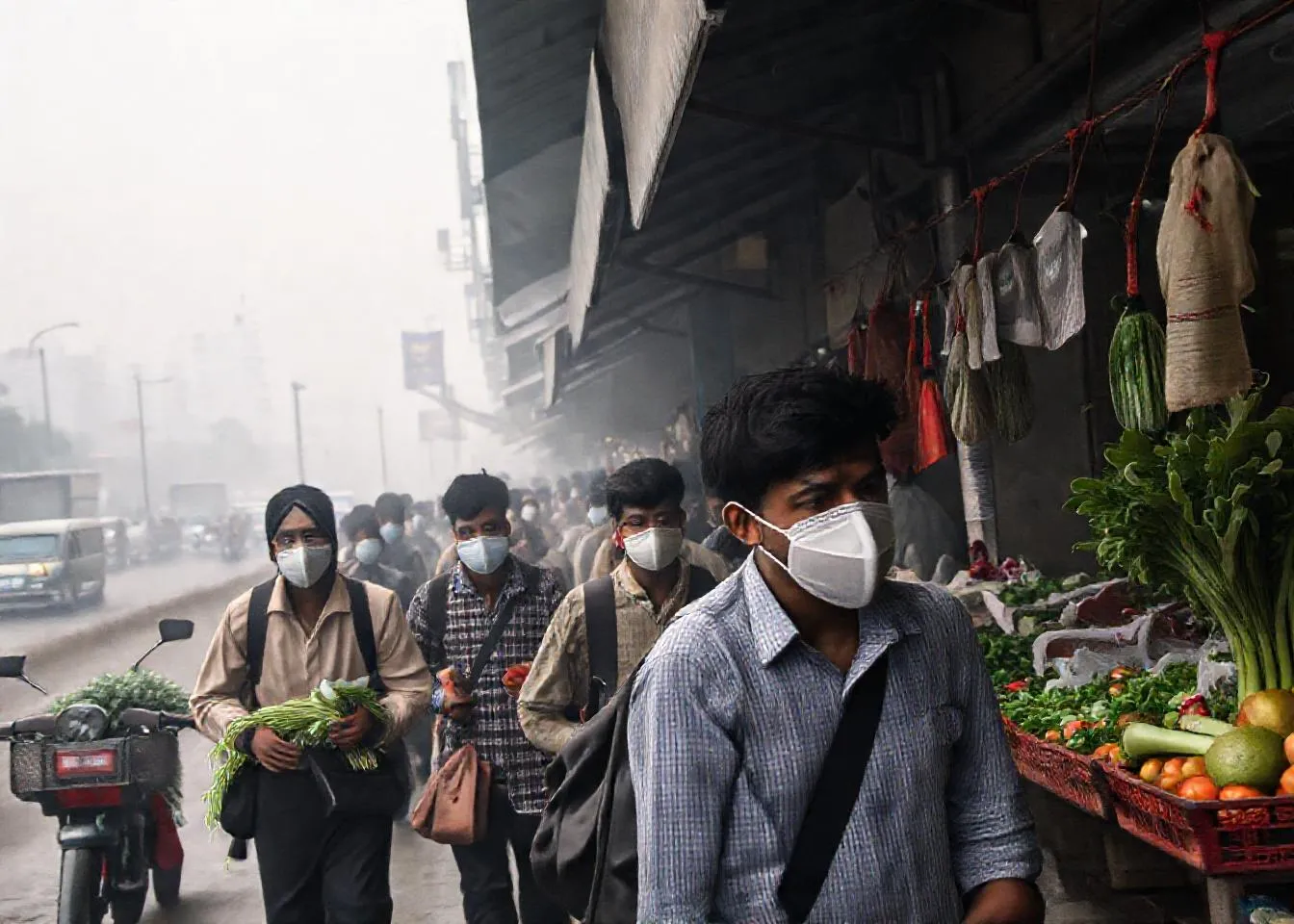
Dhaka's Air Quality Index (AQI) remains in the 'unhealthy' category today, according to air quality monitoring agencies. The concentration of harmful particulate matter in the capital's air is significantly higher than acceptable levels, raising concerns among city residents.

Persistent Air Pollution Crisis

Dhaka, consistently ranked among the world's most polluted cities, continues to experience deteriorating air quality. Experts attribute the primary causes to vehicular emissions, construction dust, and industrial waste. Prolonged exposure to 'unhealthy' air can lead to respiratory illnesses, cardiovascular diseases, and pulmonary complications.

Lead Contamination in Vegetables

In a parallel development, reports have revealed the presence of excessive lead in vegetables sold across Dhaka's markets. Laboratory tests conducted by food safety organizations found lead levels far exceeding permissible limits in various daily-consumed vegetables. Lead is a heavy metal that accumulates in the human body over time and can cause severe damage to the kidneys, brain, and nervous system.

Health Risks and Precautions

City residents are facing significant health threats from both air pollution and lead contamination in food. Environmentalists and health experts warn that without effective intervention, the situation could deteriorate further. While authorities advise thoroughly washing vegetables before cooking, many experts note that simple washing is insufficient to remove lead contamination.

Call for Regulatory Action

There are growing demands for the Department of Environment and city corporations to adopt stricter measures to control pollution. Experts emphasize the need for mandatory vehicle fitness tests, dust control at construction sites, and proper industrial waste management. Additionally, they recommend regulating the use of chemical fertilizers and pesticides in agriculture to prevent lead from entering the food chain.