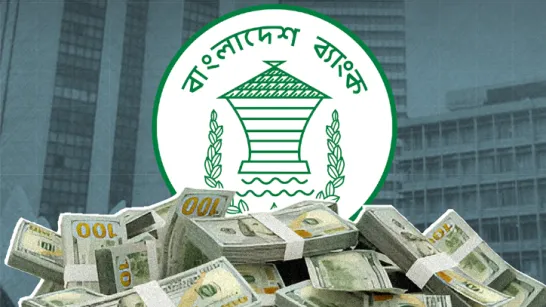
The Bangladesh Bank sold a record $205 million to commercial banks on Wednesday (November 12) in a bid to ease acute pressure on the foreign exchange market. The intervention came after the dollar hit an unprecedented Tk 124.86 during intraday trading, the highest level ever recorded in Bangladesh's history.
FactaGrid
https://factagrid.com
Business & Economy
13 November 2026, 11:21 AM
Business & Economy
⚡ Breaking
Bangladesh Bank sells $205m as dollar hits record Tk 124.86
The Bangladesh Bank sold a record $205 million to commercial banks on Wednesday after the dollar surged to an all-time high of Tk 124.86 in the interbank market. Following the auction, remittance houses lowered their dollar selling rates below Tk 125, easing pressure on the exchange rate.
13 November 2026, 10:02 AM
|
2 min read
Listening...
Bangladesh Bank sells $205m as dollar hits record Tk 124.86
০০:০০
/
০০:০০
Sources Used
📚 This report is synthesized from the following sources:
Ne
New Age
View original article →
Ne
New Age
View original article →
Bu
Business Standard
View original article →
Ne
New Age
View original article →Leave a comment
Be the first to comment.
