An analysis of recent reports and television schedules published in Kaler Kantho reveals that the family continues to play a central role in Bangladeshi society. The reports, published on November 13 and 14, explored various dimensions of this fundamental social institution under the headline "Family."
Shifting Family Structures
Sociologists observe that urbanization and the pressures of modern life are bringing significant changes to Bangladesh's family structures. The transition from joint to nuclear families, women's increased participation in the workforce, and the influence of technology are collectively creating new challenges for familial relationships.
The Kaler Kantho report noted that discussions under the "Family" headline emphasized traditional customs, values, and the growing generational gap between older and younger members of society.
Television and Family Entertainment
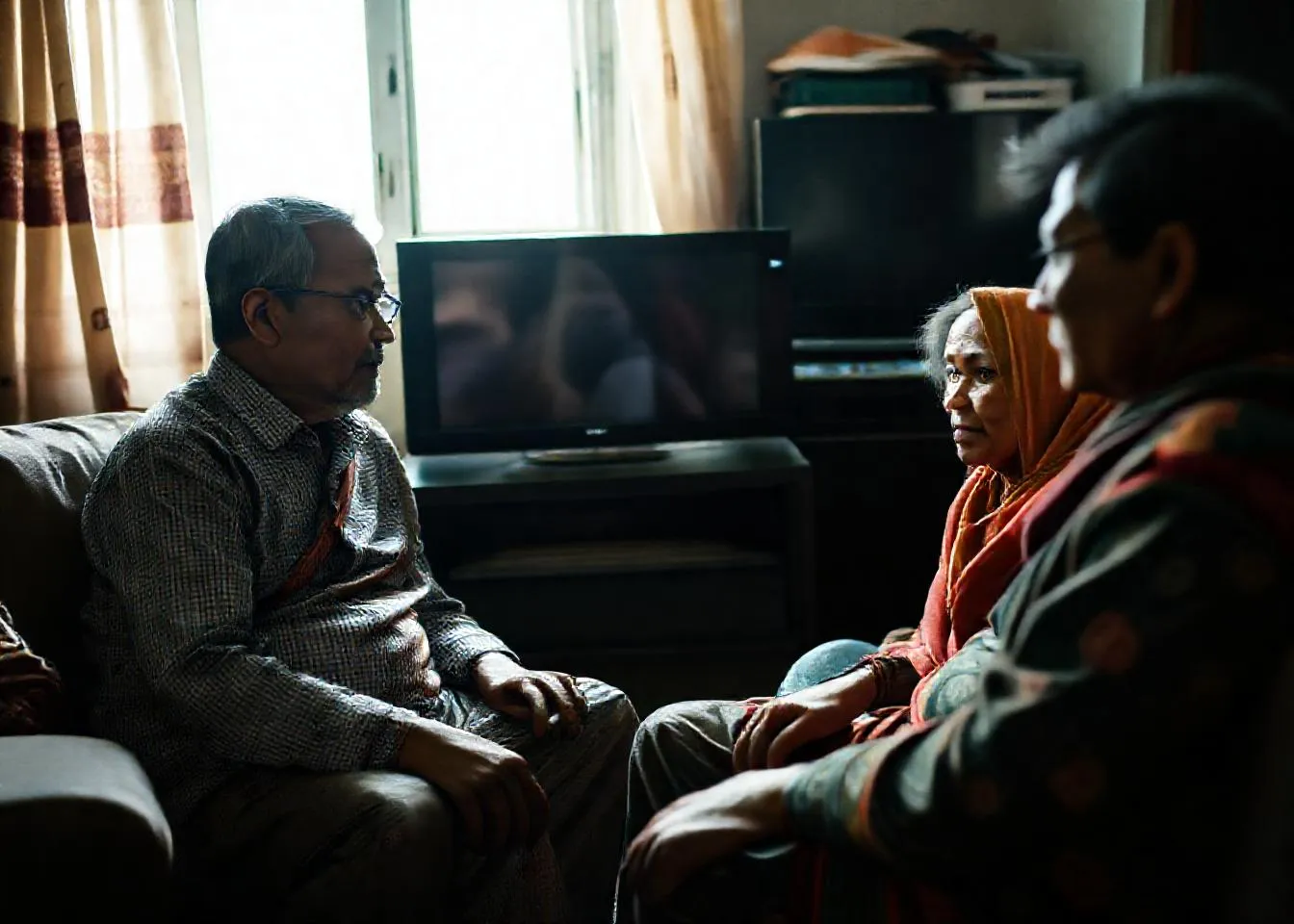
The television schedule published on November 14 shows that family dramas, talk shows, and cultural programs are regularly broadcast across the country's channels. Media analysts suggest that television remains the primary source of entertainment for Bangladeshi families, facilitating opportunities for discussion and shared experiences within households.
Social Bonds and the Future
Experts argue that the family is not merely a bond of blood relations but a primary source of social security, moral education, and emotional support. They emphasize that conscious efforts are needed to strengthen family ties in these rapidly changing times.
The Kaler Kantho reports reflect the opinions and experiences of people from various strata of society regarding the family, providing readers with an important perspective on this enduring institution.