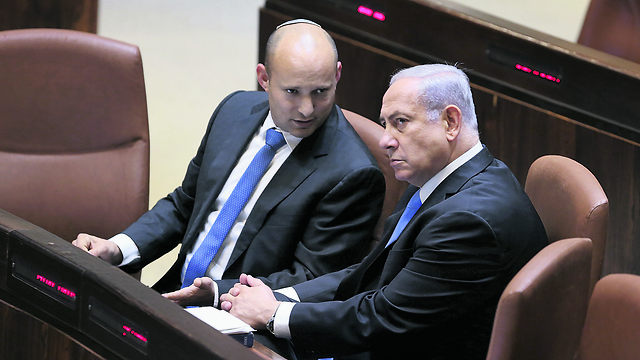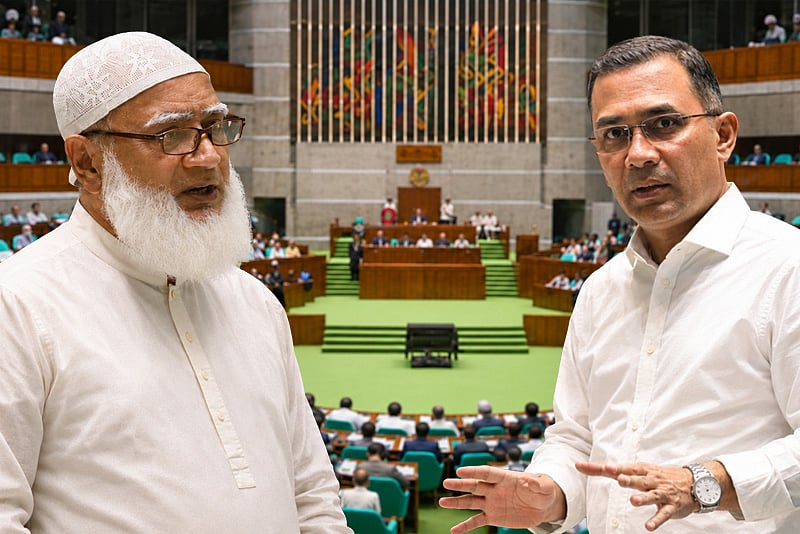
Whether Awami League can return to Bangladesh's political arena has returned to the center of national debate, now carrying a fresh dimension: indications in a new report of a possible "new political move" by India over the repatriation of ousted leader Sheikh Hasina. The Dhaka-based daily Jugantor published two reports in the same edition on Thursday (November 19), placing the party's political future and the repatriation impasse side by side.
Background
Awami League, a defining force in Bangladeshi politics since independence, held continuous power from 2009 to 2024. After the student-led mass uprising of July-August 2024 toppled Sheikh Hasina's government, she took shelter in India.
In May 2025, the Home Ministry issued a notification banning all activities of the party until the completion of war crimes trials. In November of that year, the International Crimes Tribunal sentenced Hasina to death in absentia for crimes against humanity linked to the suppression of the July uprising.
The path to contesting the upcoming February national election remains closed: under the ban, the party could not apply to the Election Commission for registration.
The Question Jugantor Raises
The headline of Thursday's lead analysis read:
"Can Awami League return?"
The report framed the possibility of the party's political comeback against the legal and electoral barriers currently in place. A second report in the same edition carried the headline:
"India's new political move over the question of Hasina's repatriation"
The headline suggests India is moving toward, or preparing, a new kind of political step on the repatriation issue. The matter has long strained Dhaka-Delhi relations.
After the fall of the government, Dhaka sent a diplomatic note to India requesting Hasina's return; Delhi confirmed receiving the note, but no handover has taken place. Since the death sentence, political calculations between the two countries over the issue have grown more complex, according to ongoing discussion.
Legal and Electoral Hurdles
The first obstacle to Awami League's return is legal. Under the Home Ministry's notification, lifting the ban is tied to the conclusion of the war crimes trial process, which depends on the progress of pending cases at the tribunal.
The second is electoral: without registration, the party cannot field candidates in the February vote. The reports published on Thursday did not cite any new official statement from the government, the Election Commission, or the Indian government.
Echoes of History
In the same edition, Jugantor republished an older report from its archive under the headline:
"Ershad did not return after going out to buy medicine for his mother"
The republication of this historical account of former president H M Ershad's political rise and fall signals that the question of "return" for leaders who lose power is being viewed through the lens of history, at a time when repatriation and political comeback dominate the day's conversation.
What Comes Next
In the days ahead, the Election Commission's schedule, the progress of ongoing tribunal cases, and India's formal position on repatriation will shape the prospects of Awami League's return. Repatriation and the ban on the party now stand as two intertwined equations: movement on one could alter the political balance of the other. As of this report, however, no party has formally announced a new step.