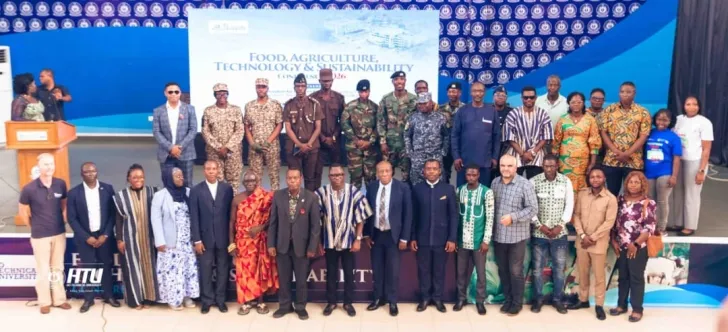
A seminar centred on building a climate-resilient agricultural system was held at GAKRBI, an agricultural university, addressing ways to counter the adverse effects of climate change on farming. A day later, a report on a workshop devoted to climate change was also published. Bangladesh Pratidin, one of the country's leading dailies, carried the seminar report on 18 November and the workshop report on 19 November.
In an agriculture-dependent economy such as Bangladesh, a large share of food security and livelihoods still rests on the farm sector. Against this backdrop, university-level discussions and workshops on climate-resilient agricultural technology and research are gaining importance. Such forums are widely viewed as a bridge that carries innovations from the laboratory to farmers' fields.
Climate pressure on Bangladesh's agriculture
Bangladesh has repeatedly featured among the countries most vulnerable to climate change. Salinity has increased along the coast, drought and the Barind tract's land problems have intensified in the northwest, and cyclones and untimely floods regularly destroy crops. Shifts in rainfall patterns have raised pressure on irrigation water during the Aman season, directly affecting rice production.
In this context, research and dialogue on developing saline-tolerant and drought-tolerant varieties, water-saving irrigation methods and efficient management of agricultural inputs have become essential. Agricultural universities serve as hubs of this research. Seminars and workshops on their campuses help build the capacity of students, researchers and agricultural extension officers.
What the reports say
Bangladesh Pratidin's 18 November report covered the seminar on climate-resilient agriculture held at GAKRBI. On 19 November, the same newspaper published news of the workshop on climate change.
Both reports were published in brief form. The available reports do not detail who spoke at the seminar, which institutions organised the events or what recommendations emerged.
"Seminar on climate-resilient agriculture held at GAKRBI" was the headline of the report published on 18 November.
"Workshop on climate change" was the headline of the report carried on 19 November.
There is no numerical or factual contradiction between the two reports. However, the reports do not clarify whether the seminar and the workshop were part of a single programme. The two items appeared a day apart, and both centre on climate and agriculture.
Why such events matter
Climate-focused seminars and workshops at university campuses typically serve three purposes: exchanging research findings, building the skills of young researchers and conveying recommendations to policymakers. All three matter for climate-resilient agriculture, since research outcomes carry little impact on farmers' lives unless the technology reaches the field.
Demand exists for training at multiple levels, from agricultural extension to seed management. The publication of the workshop report on climate change reflects that demand, according to observers of the sector.
Next steps
Detailed information on the recommendations, participant lists and implementation steps of the seminar and workshop has not yet been available. Further updates can be tracked through the reports published on Bangladesh Pratidin's website. Such academic and research initiatives are expected to continue as the country seeks to sustain food production under mounting climate risk.