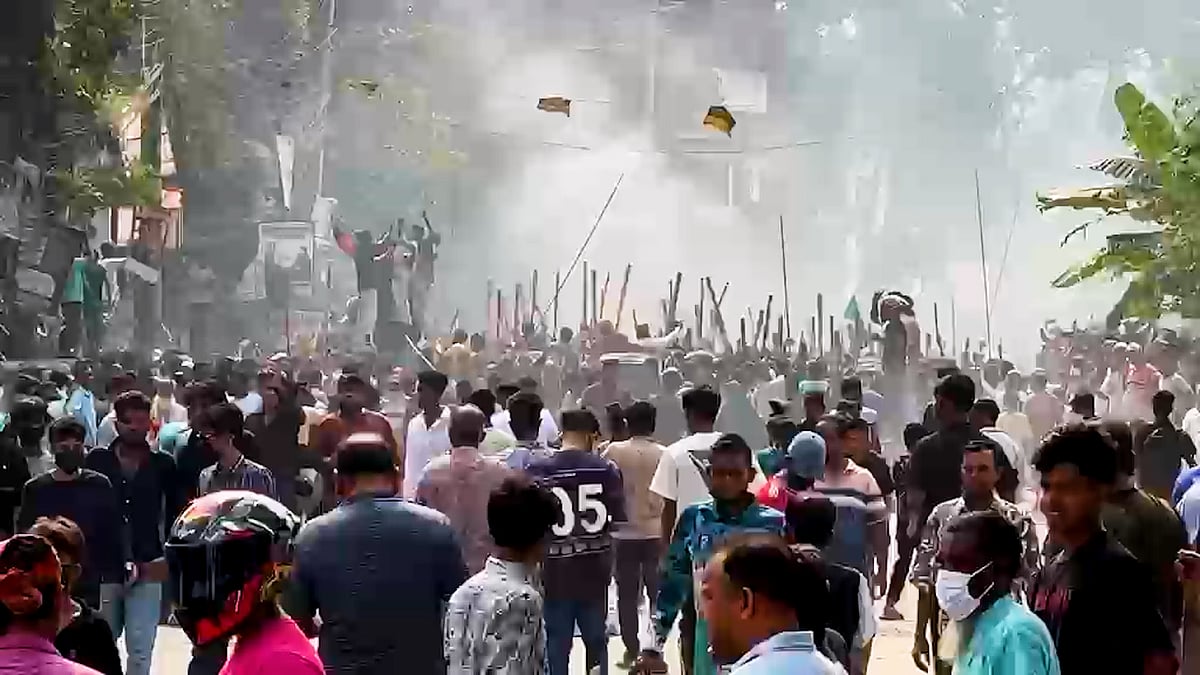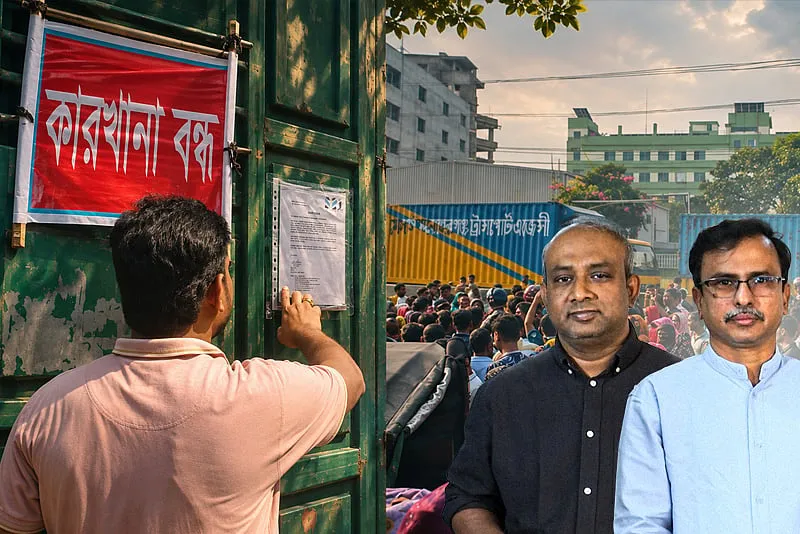
The ongoing movement by Bangladesh's garment workers demanding a minimum wage of 30,000 taka shows no sign of slowing down. Workers remain firm on their demand, while factory owners are equally unwavering in their own position. Amid the deadlock, several owners have shut their factories under a "no work, no pay" policy, further complicating the situation.
The standoff over wage increases has continued for an extended period. Two questions now dominate the discussion: is the 30,000 taka demand unreasonable, and how can a resolution be reached between two sides that refuse to budge? Prothom Alo examined these questions in a video analysis, discussing the positions of both sides, the circumstances of the factory closures and possible paths to a settlement.
The ready-made garment industry is the country's principal source of export earnings. A prolonged impasse risks affecting both production and shipments, while the continuing movement has added pressure on workers' incomes and livelihoods.
Firm positions on both sides
Workers have not stepped back from the demand to set the minimum wage at 30,000 taka. Owners, on the other hand, have not moved from their position either. The movement is advancing, but no report of any negotiation initiative has emerged so far.
"The movement by garment workers for higher wages simply will not stop. Workers and owners remain firm on their positions," the Prothom Alo video analysis noted.
With factories closed, workers at those facilities are losing their daily wages. Production has been disrupted, which is directly affecting the operations of the apparel sector.
Factories shut under 'no work, no pay'
Under this policy, workers receive no wages for the period a factory remains closed. Several owners have kept their factories shut on these terms. As a result, many workers are being deprived of income even as the movement continues.
"In the meantime, several owners have closed factories under a 'no work, no pay' policy," the report stated.
The movement has persisted despite the pressure of lost wages. Owners, for their part, have stayed on the path of keeping factories closed. Neither side is backing down.
Where does a resolution lie?
No report of a direct initiative to break the deadlock had emerged as of the publication of the analysis. The video analysis itself poses the question: how will a solution be reached? With the movement continuing, there is a risk the uncertainty could be prolonged.
No schedule for fresh talks between the two sides had been announced at the time of the report. Stakeholders in the apparel sector are monitoring the situation closely. The course the movement takes in the coming days will depend on how events unfold.