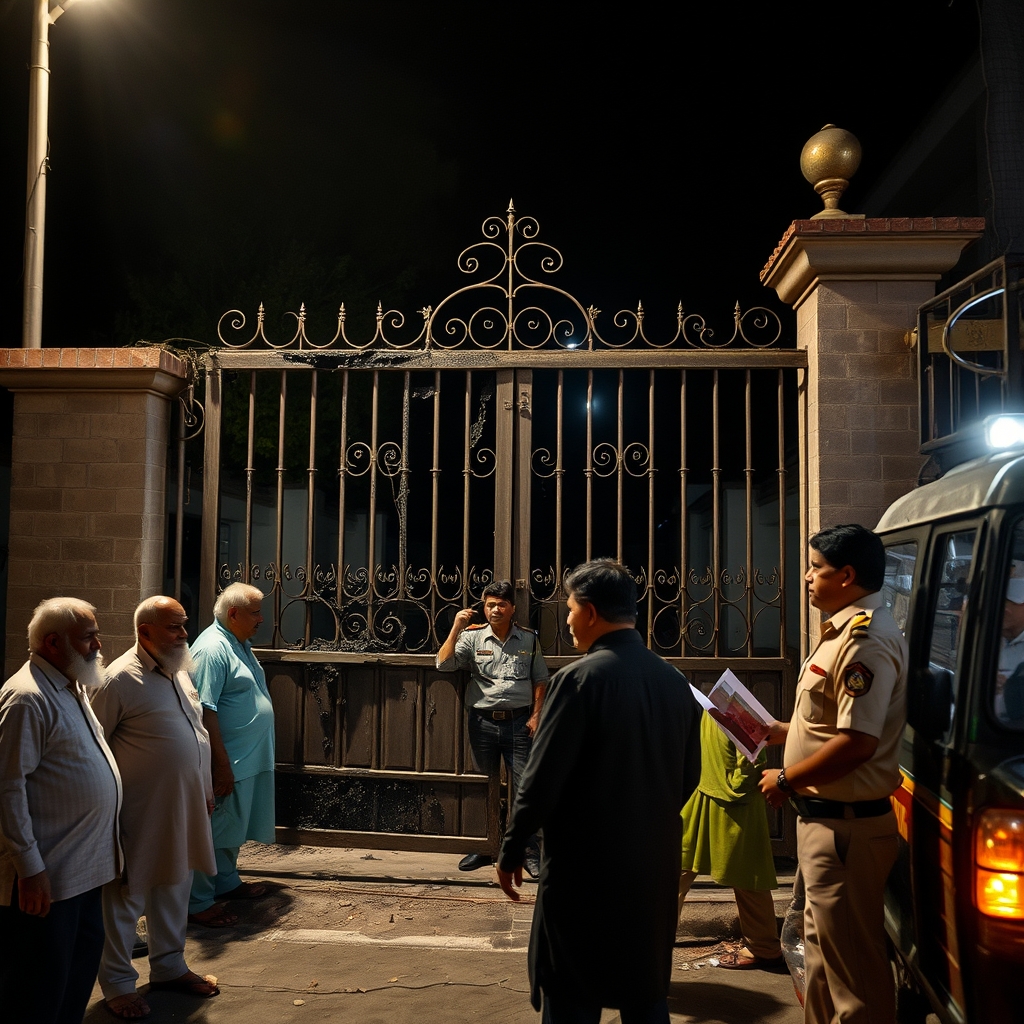
Cyclone Akvaban was forecast to make landfall in Bangladesh by 11am on Friday, November 20. Early that same morning, however, reports emerged that the storm's track had shifted. By late evening, news coverage described rain under the cyclone's influence in Chandpur, where day labourers were left in distress and winter conditions were steadily building.
National media tracked the cyclone continuously through Friday: a dawn report flagged the shift in its path, a mid-morning report set the expected landfall deadline, and an evening report captured the human cost of the weather. November is a cyclone-prone month over the Bay of Bengal, and districts across Bangladesh routinely experience the direct effects of such storms.
Track Shift Reported at Dawn
Bangladesh Pratidin, publishing at 8:43am on Friday, first reported that the path of Cyclone Akvaban had changed. The report did not detail the storm's position, intensity or its new projected course. Still, a track change hours before an expected landfall is a significant meteorological development, as such shifts typically alter both the likely landfall location and timing, prompting adjustments in preparedness measures.
Landfall Expected by 11am
The expected timeline was set by Kaler Kantho, which published at 10:49am:
"Cyclone Akvaban will strike by 11am."
The assessment came barely two hours after the track-shift report, meaning much of the country faced the prospect of storm effects within the first half of Friday.
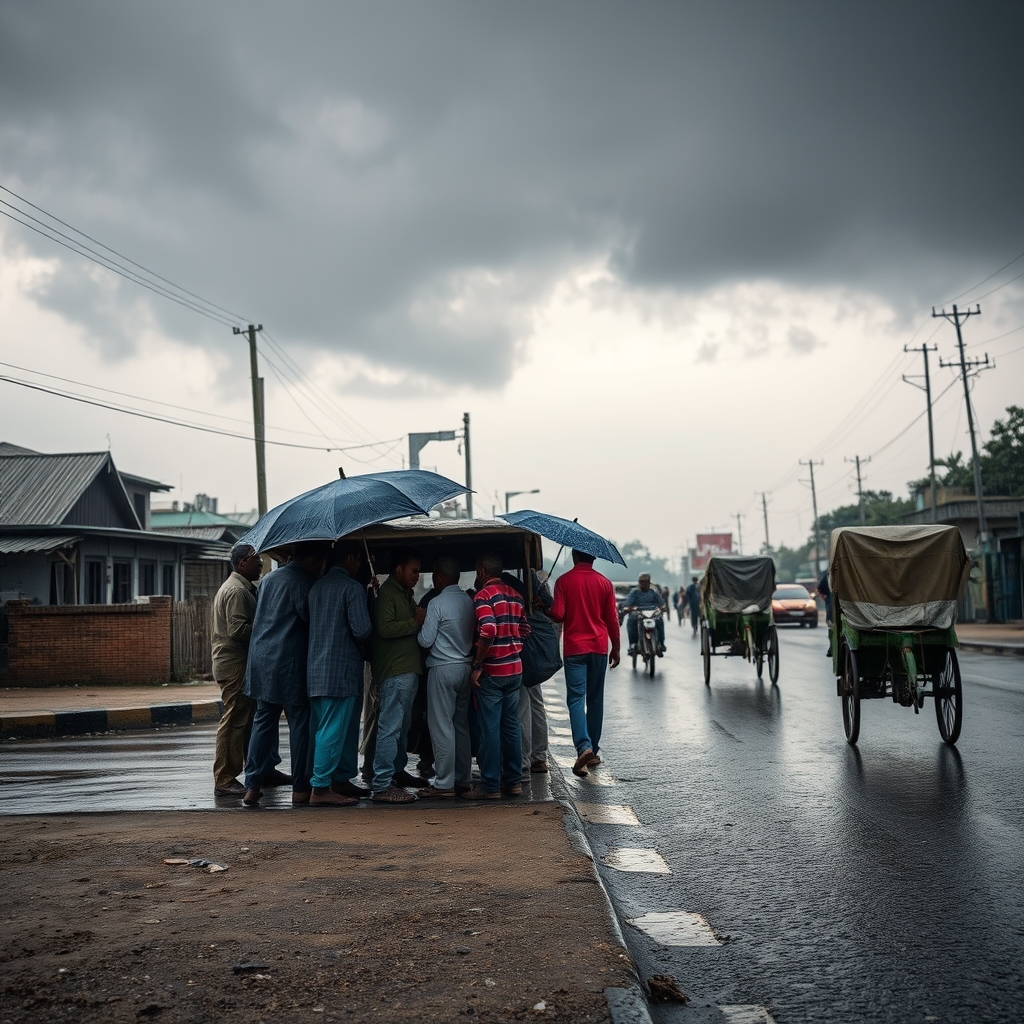
Rain in Chandpur, Day Labourers in Distress
bdnews24.com, publishing at 10:12pm, described the storm's impact centred on Chandpur, where rain left day labourers in distress. Showers through the day disrupted work, cutting into the earnings of people who depend on daily wages. The same report noted that winter chill was rising, indicating the cyclone's influence was coinciding with a marked drop in temperature.
"Cyclone Akvaban: Day labourers in distress as rain hits Chandpur, winter chill rises."
That is how bdnews24.com headlined its Friday evening report.
Conflicting Reports and What Comes Next
While the dawn report spoke of a changed track, the mid-morning report maintained the expectation of a strike by 11am. With roughly two hours between the two publications, the discrepancy reads as a time-sensitive update rather than a fundamental contradiction. The evening report, in any case, confirms that the cyclone's influence produced rain inside the country and disrupted normal life.
The reports available on Friday did not include the cyclone's post-landfall position, a full picture of damage, or official meteorological bulletins on the storm's movement. Authorities' assessments of affected areas and updated forecasts are awaited in subsequent coverage.