Reports published in Dhaka-based national dailies Kaler Kantho and Bangladesh Pratidin on 18 November 2026 state that the government is handling the situation arising from labour discontent with patience. A separate report carried by Kaler Kantho the same day says the government is also working to stop human trafficking and to send skilled workers overseas.
The developments carry weight because discontent among workers can affect production and workplace conditions across key industries, including the readymade garment sector, the country's largest export earner. Remittances sent by millions of Bangladeshi workers abroad remain one of the country's principal sources of foreign currency, making both labour management and safe, legal migration matters of economic and social importance.
What the Reports Say
Kaler Kantho and Bangladesh Pratidin carried matching headlines, stating:
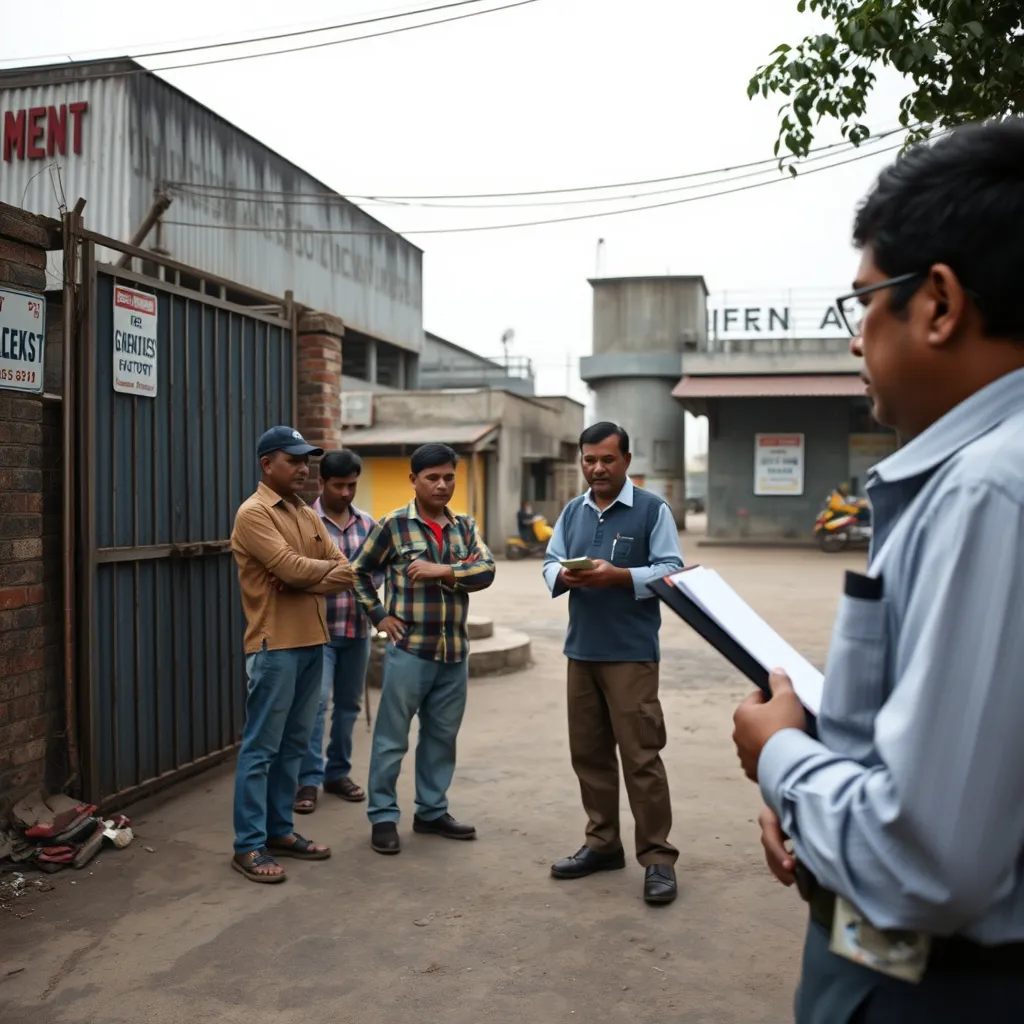
"The government is handling the situation arising from labour discontent with patience."
The second Kaler Kantho report stated:
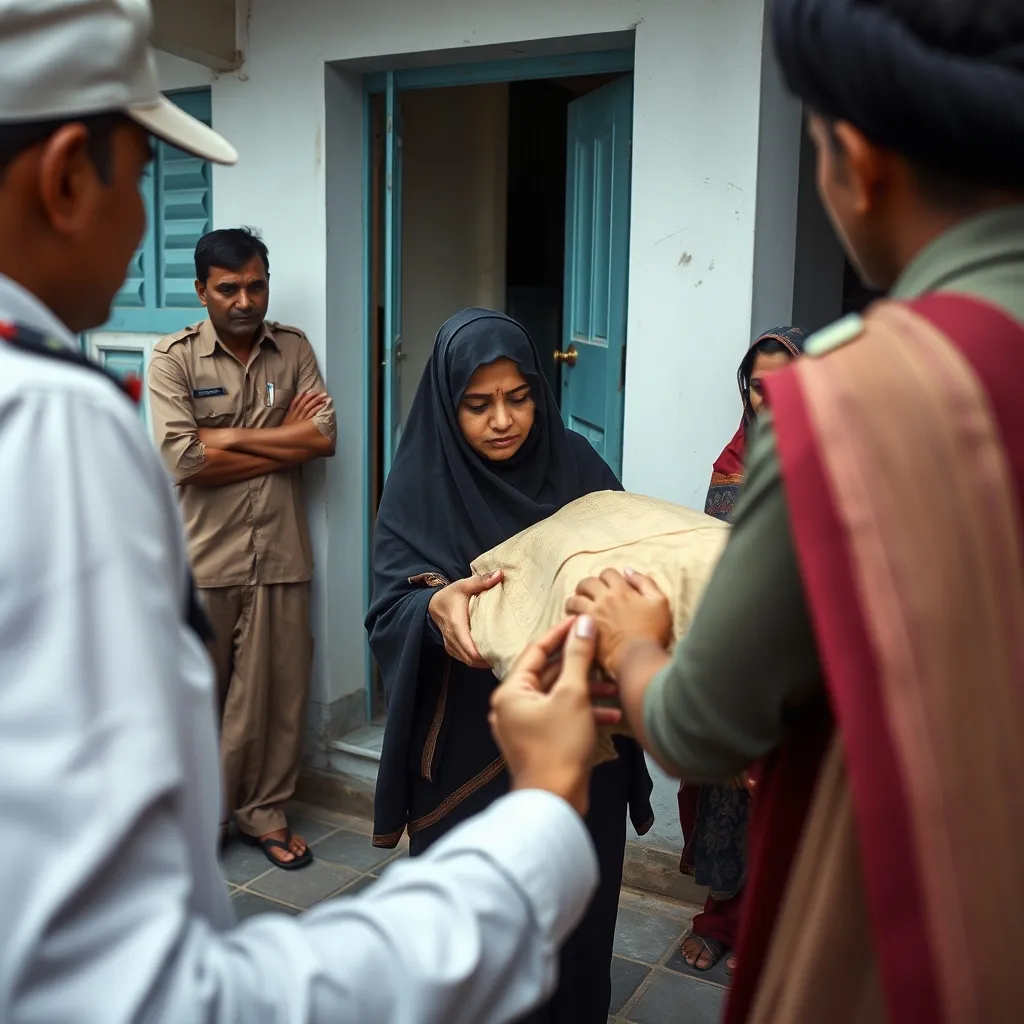
"The government is working to prevent human trafficking and to send skilled manpower abroad."
There is no conflict between the core messages of the two reports; the articles published on the same day are mutually consistent.
What Remains Unclear
The brief versions of the reports available do not specify the cause or scale of the labour discontent, the sectors or areas where it is concentrated, or which government office or official made the statement about exercising patience. FactaGrid will update this report once the full articles have been reviewed.
Background on Overseas Employment and Trafficking
Discontent over wages, working conditions and job security has surfaced periodically in Bangladesh's labour sector, with worker demands raised at different times over pay structures and workplace environments. Separately, the Ministry of Expatriates' Welfare and Overseas Employment oversees the process of sending workers through legal channels.
Irregular migration carries a heightened risk of human trafficking, and regular operations are conducted to curb trafficking along sea and land routes. Experts have long advised that sending skilled workers through legal channels raises foreign currency earnings while reducing migration costs and trafficking risks.
Next Steps
The brief reports contain no announcement of new statements, meetings or specific measures from the government. A detailed follow-up report will be published once the causes and extent of the discontent become clear and an official statement from the relevant ministry is received.