Commercial banks in Bangladesh must allocate 35 percent of their total investment to the small and medium enterprise (SME) sector and 20 percent to retail banking within the coming year, Bangladesh Bank Governor Mostaqur Rahman has said. Taken together, the directive requires more than half of bank credit, or 55 percent, to flow toward SMEs and retail borrowers. The governor also pressed banks to bring the share of corporate-sector lending down to within 40 percent.
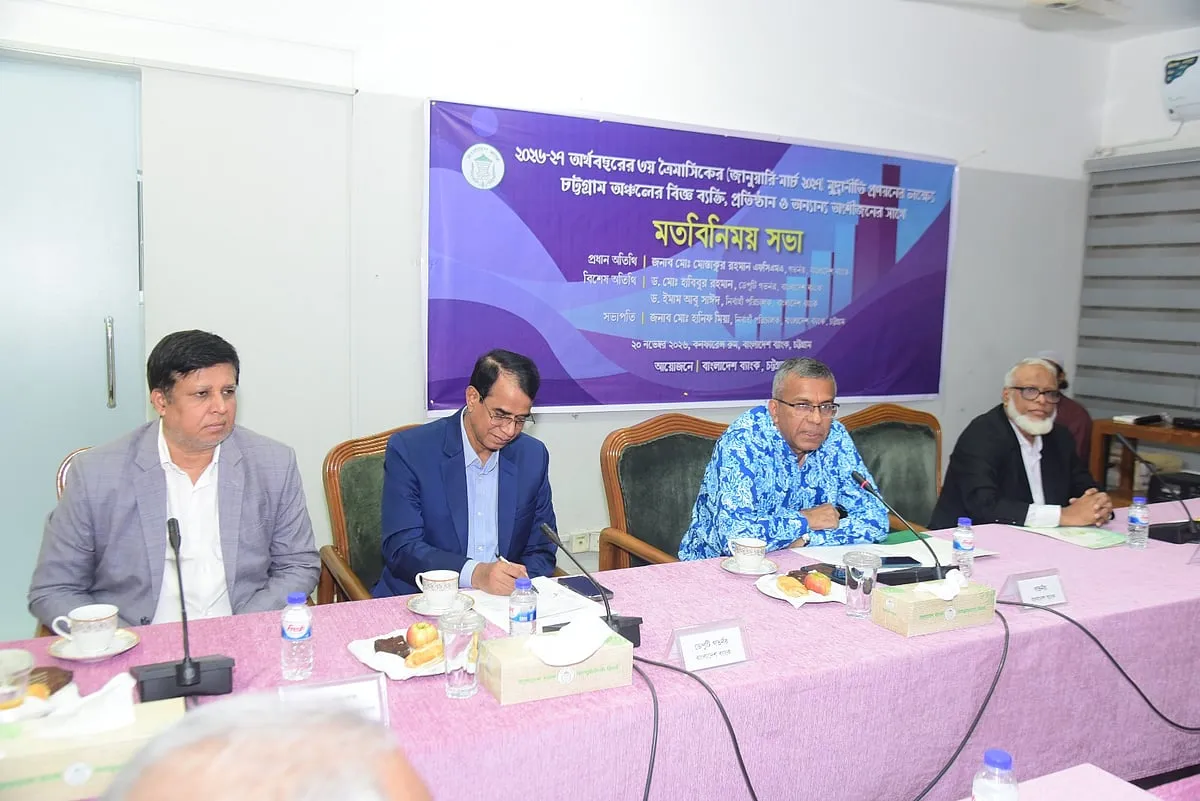
He issued the directives on Friday, 20 November, at an exchange of views meeting held at the Bangladesh Bank Chattogram office, held against the backdrop of the monetary policy for the third quarter (January-March) of the ongoing 2026-27 fiscal year. Bankers and business leaders attended the meeting.
Targets for SME and retail lending
The governor said every commercial bank must raise its SME lending to 35 percent of total investment, with a further 20 percent going to retail banking. The announcement of sector-specific lending targets ahead of the quarterly monetary policy signals the central bank's push to prioritize productive and smaller borrowers in credit distribution.
Push to reduce corporate reliance
Governor Rahman emphasised curbing the concentration of bank credit among large corporate entities and capping the corporate share of lending at 40 percent. He also positioned the capital market as the principal future funding avenue for big companies.
"In the future, corporate entities should raise their investment funds from the capital market," said Mostaqur Rahman, Governor of Bangladesh Bank.
Businesses seek lower rates, stable taka
At the meeting, business leaders advised lowering lending rates to reduce production costs. They also demanded that the taka's exchange rate against the dollar be kept stable. A vice-president of the Bangladesh Garment Manufacturers and Exporters Association (BGMEA) was among the speakers at the discussion.
How the figures compare
Prothom Alo's report detailed the breakdown of the investment requirement at 35 percent for SMEs and 20 percent for retail banking. Bangladesh Pratidin reported the directive as a combined 55 percent requirement for the retail and SME sectors. The figures reported by the two outlets are consistent.
What lies ahead
Commercial banks will now need to restructure their lending portfolios to meet the governor's stated targets. Whether the Chattogram business community's demands on interest rates and exchange-rate stability are reflected will become clear with the announcement of the monetary policy for the January-March quarter.