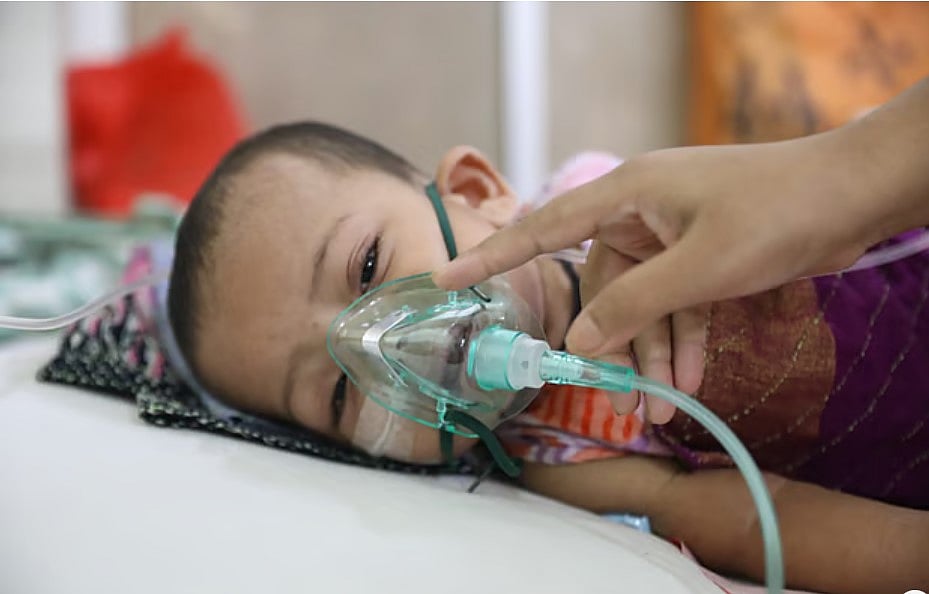
The ongoing measles outbreak is emerging as a fresh threat of pneumonia and other severe complications for children. The measles virus compromises children's immune systems, significantly increasing their susceptibility to pneumonia, diarrhoea, and other secondary infections.
FactaGrid
https://factagrid.com
Health & Life
12 November 2026, 4:32 PM
Health & Life
Measles Outbreak Poses New Threat of Pneumonia for Children
Measles weakens children's immune systems, leaving them vulnerable to pneumonia, diarrhoea and other infections. Health experts urge immediate strengthening of vaccination campaigns to curb the outbreak.
12 November 2026, 3:25 PM
|
2 min read
Listening...
Measles Outbreak Poses New Threat of Pneumonia for Children
০০:০০
/
০০:০০
Sources Used
📚 This report is synthesized from the following sources:
Pr
Prothom Alo
View original article →
Bu
Business Standard
View original article →Leave a comment
Be the first to comment.