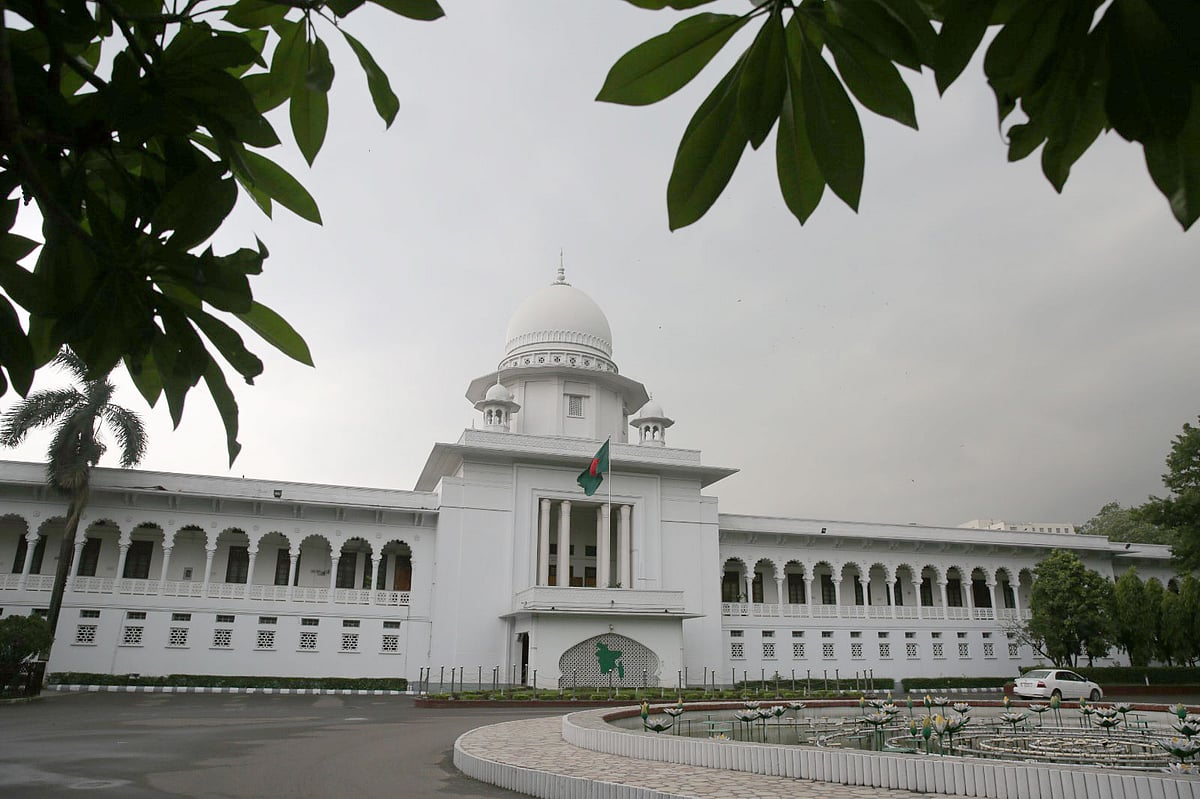
The High Court has issued a rule questioning why the Anti-Corruption Commission's press briefing regarding former adviser and NCP leader Asif Mahmud Sajeeb Bhuiyan should not be declared illegal. The court sought explanation on whether the announcement of 'preliminary truth found' before formal investigation violates constitutional rights.
12 November 2026, 3:21 PM
|
2 min read
The High Court on Wednesday issued a rule asking why the Anti-Corruption Commission's (ACC) press briefing concerning Asif Mahmud Sajeeb Bhuiyan, former adviser to the interim government and leader of the National Citizens' Party (NCP), should not be declared unlawful. The bench comprising Justice Md.
Bashir Ullah and Justice Md. Hamidur Rahman passed the order following a preliminary hearing on a writ petition filed by Asif Mahmud.
Background of the Petition
Asif Mahmud filed the writ in September challenging the legality of the ACC's press briefings held on September 2 and 13, in which the commission's deputy director and assistant director announced that 'preliminary truth had been found' regarding allegations of corruption and money laundering against him. The rule questions whether these briefings violate Article 31 of the Constitution and the Right to Information Act 2011.
Court's Observations
During the preliminary hearing, the court found prima facie merit in the petitioner's arguments. Lawyers for Asif Mahmud contended that publicizing 'preliminary findings' before the formal investigation process begins damages his reputation and fundamental rights. The ACC, however, maintained that the press briefings were conducted within the legal framework.
Next Steps
The court has directed the concerned parties to respond to the rule within four weeks. While the petitioner's legal team expressed satisfaction with the order, no immediate comment was available from the ACC.