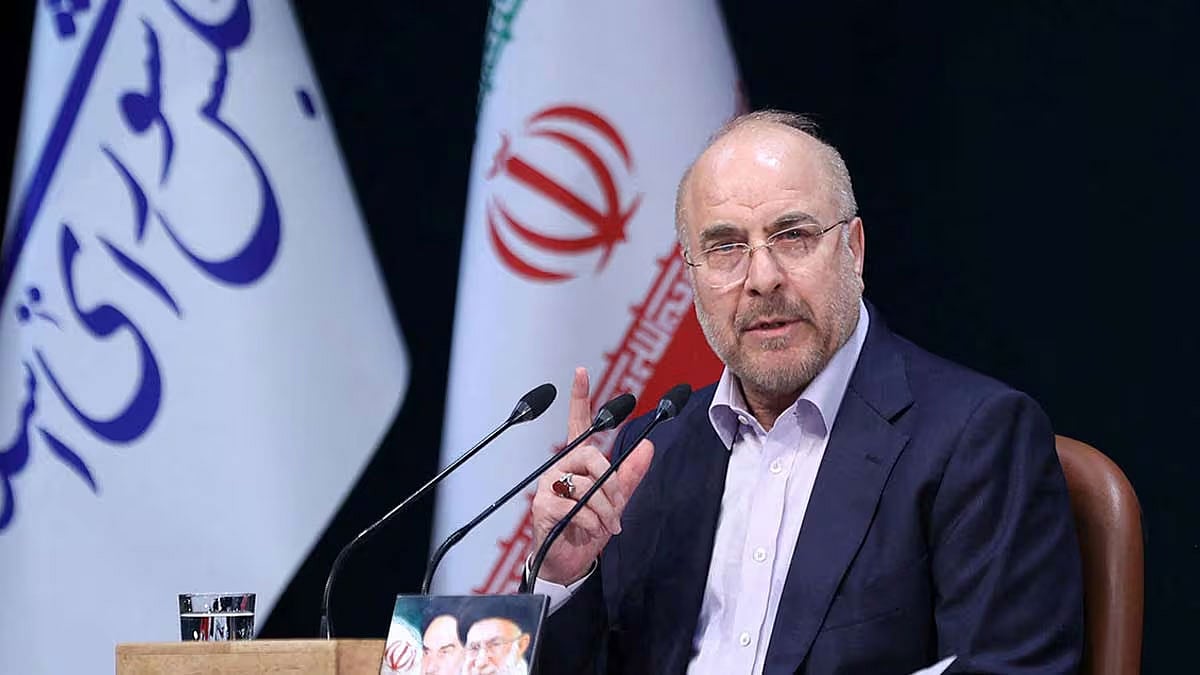
Iranian Parliament Speaker Mohammad Bagher Ghalibaf has declared that the situation in the Strait of Hormuz will never return to its pre-war condition, referring to the conflict between Iran and the United States and Israel. He made these remarks in a special interview with Al Jazeera, which was published on Wednesday.
Ghalibaf, who serves as Iran's chief negotiator in talks to end the war, stated that Oman and Iran have reached an understanding regarding the oversight of this vital waterway. He said this agreement is part of a seven-point proposal put forward by Tehran aimed at ending the nearly eight-month-long conflict.
Questioning International Waters Status
Ghalibaf asserted that the Strait of Hormuz contains no 'open waters' or international maritime zones. He argued that the provisions of the 1982 United Nations Convention on the Law of the Sea (UNCLOS) would not apply to this strait. He clarified that the rules governing the Strait of Hormuz will be determined by the laws of the two littoral states.Analysts suggest this statement could have profound implications for international shipping and global energy supplies. A significant portion of the world's crude oil is transported through the Strait of Hormuz. Iran's position is expected to create new complexities in international maritime law and the geopolitical balance of the region.
