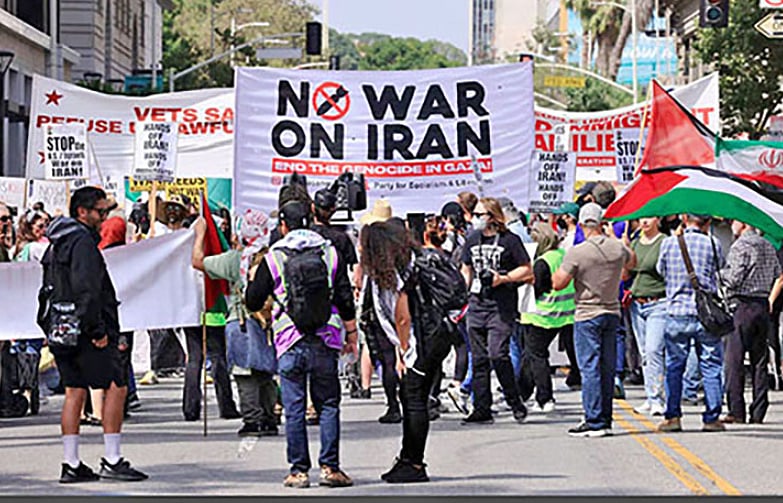
For more than two decades, the same question has dominated diplomatic relations between Iran and the United States: who will concede first? Will Iran limit its nuclear program before economic sanctions are lifted, or must Washington reduce sanctions pressure before any Iranian concession? No permanent solution to this impasse has been found to date.
A New Dimension to the Diplomatic Crisis
The recent diplomatic crisis, however, suggests that the question may now need to be approached differently. Analysis published by Prothom Alo indicates that the core issue is no longer about who acts first, but rather how both sides can move forward simultaneously—this has become the most critical consideration.The recent dispute over the Strait of Hormuz has brought this question back to the forefront. The tension surrounding this vital maritime route for global energy supplies has heightened concerns in international diplomatic circles.
Iran's Conditional Proposal
Iran has already proposed that it would reopen this crucial waterway if the United States fulfills several conditions. These conditions include the withdrawal of the US naval blockade, easing of economic sanctions, and guarantees against future military strikes.Through this proposal, Iran has effectively placed the diplomatic ball in Washington's court. However, analysts suggest that implementing these conditions will not be easy, given the persistent trust deficit between the two parties.
International Context
Meanwhile, reports from Bangladesh Pratidin have highlighted the broader regional context. Questions have emerged about whether the United States is distancing itself from Israel. Additionally, a report headlined "Is the Iran war now at the West's doorstep?" suggests that the crisis is no longer confined to the Middle East, but its implications could extend to the internal security and politics of Western nations.Experts believe that the Strait of Hormuz crisis is not merely a bilateral issue between Iran and the United States; it has the capacity to directly impact global energy markets, international trade, and geopolitical balance. Therefore, resolving this crisis is now urgent not only for the two nations involved but for the entire world.
The Road Ahead
According to diplomatic analysts, the only path out of this crisis lies in parallel action. If neither party is willing to make unilateral concessions, international mediators could help create a framework where both sides begin implementing their commitments simultaneously.However, neither party has yet indicated willingness to engage in such parallel steps. Consequently, how long the Strait of Hormuz crisis will persist and what its eventual consequences will be, only time will tell.