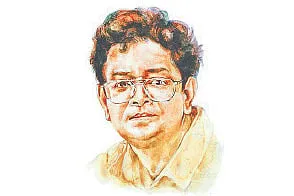
Writer Dhruva Esh has shared his memories of working with and knowing Humayun Ahmed, one of Bengali literature's most beloved fiction writers, on the occasion of Ahmed's birth anniversary. In his memoir published by Prothom Alo, Esh describes Ahmed as a "magician" and recounts his writing habits, anecdotes about book covers, and personal moments.
FactaGrid
https://factagrid.com
Entertainment
13 November 2026, 4:32 PM
Entertainment
Humayun Ahmed: A Magician Remembered by Dhruva Esh on His Birth Anniversary
On the birth anniversary of popular Bengali fiction writer Humayun Ahmed, writer and artist Dhruva Esh has shared his reminiscences. Through memories of their professional relationship, book cover discussions, and personal moments, Esh portrays a remarkable man whom he calls a magician.
13 November 2026, 3:03 PM
|
2 min read
Listening...
Humayun Ahmed: A Magician Remembered by Dhruva Esh on His Birth Anniversary
০০:০০
/
০০:০০
Sources Used
📚 This report is synthesized from the following sources:
Pr
Prothom Alo
View original article →
Pr
Prothom Alo
View original article →Leave a comment
Be the first to comment.
