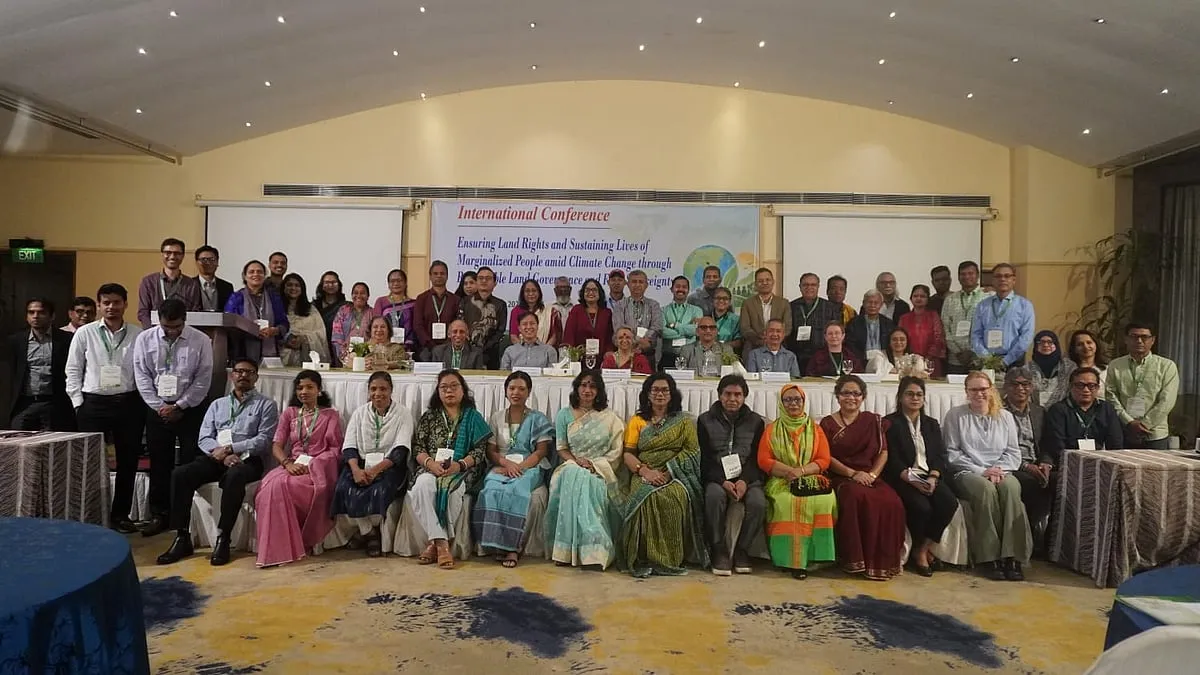
A renewed call has been raised to secure the land rights of the marginal communities most exposed to climate change, according to a report published in the Daily Kaler Kantho on Monday, 17 November 2026. The report's central message is that land tenure protection must take priority in the country's climate response, because insecure ownership leaves disaster-hit families facing a second crisis of displacement and landlessness after the immediate damage has passed.
The report appeared under the headline: "Urgency of ensuring the land rights of marginal communities amid climate change."
Context: A delta under multiple stresses
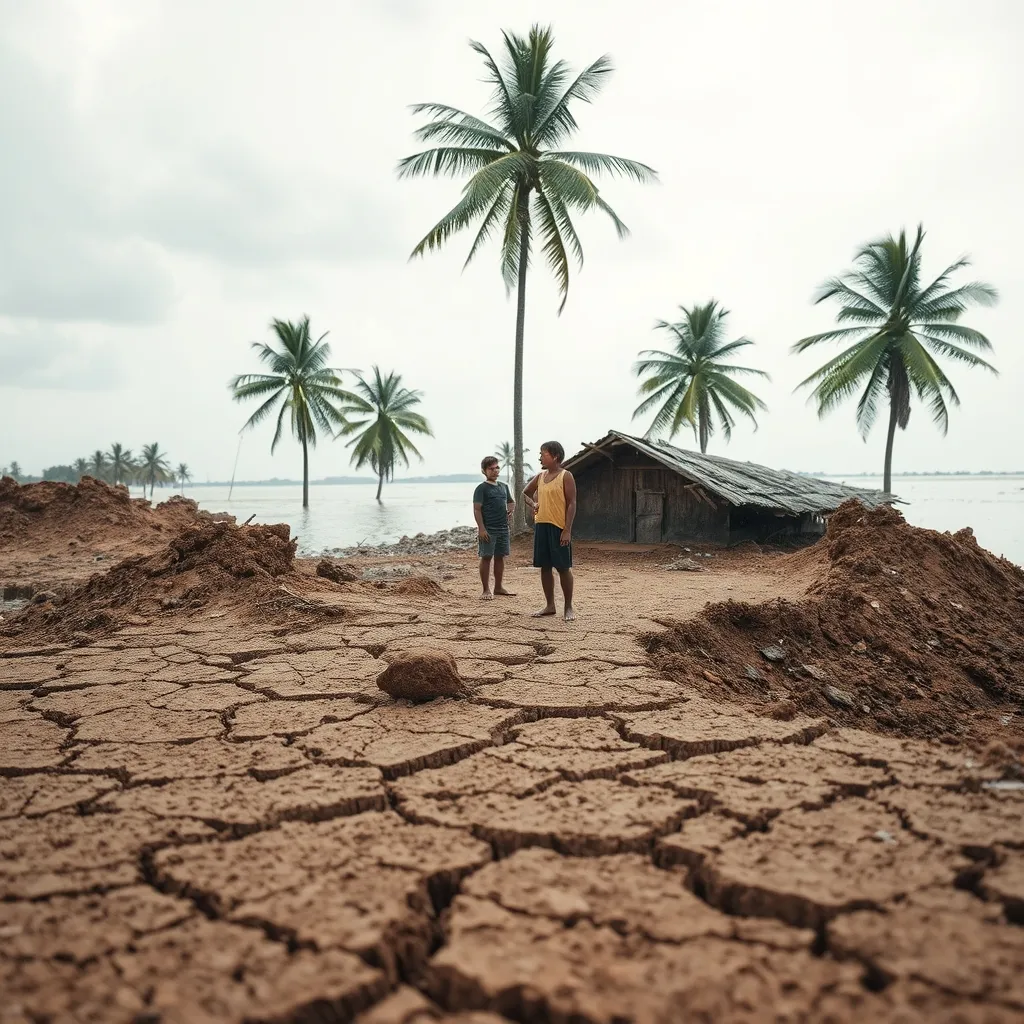
Bangladesh has long ranked among the world's most climate-vulnerable countries in international assessments. Riverbank erosion, cyclones, tidal flooding, soil salinity and irregular floods strike hardest at marginal communities in the coastal belt, char islands, haor wetlands and the hill tracts. Most households in these areas depend on farming, fishing and day labour, so a single disaster can destroy both income and shelter at once.
Every year thousands of families rendered homeless by rivers take shelter in urban slums. In the chaos of displacement many households lose deeds, survey records and supporting documents, which later becomes a decisive obstacle to proving ownership. As a result, a second-stage crisis over land often begins before the immediate disaster has passed.
Land disputes and the rights of the poor
Policy debates repeatedly highlight that a large share of the country's civil litigation concerns land, and that in these disputes it is mostly poor owners who lose out, unable to bear the cost and duration of prolonged cases. These discussions also repeatedly note that khas, or state-owned, land, the principal instrument for resettlement, has long faced allegations of grabbing and forgery by influential quarters. Thus those whose land rights the state's declared policy aims to protect stand at the very front line of risk.
Adaptation is difficult without tenure security
Compensation, rehabilitation and access to climate adaptation funds all require documented proof of ownership. Households without papers, particularly marginal groups including women and children, are cited as the most deprived of these benefits. Services such as digitised land records and online name mutation, known as e-namjari, are making the process more transparent, yet analysts assess that dedicated settlement provisions for the climate-displaced remain limited.
Ongoing resettlement programmes
The government has been allocating land and housing to landless and homeless families under the Ashrayan project, while khas land surveys and distributions are announced periodically. The core of the current debate is whether climate-displaced people can be given clear priority within these programmes.
Land in national plans
The National Adaptation Plan, finalized in 2022 for the period 2023 to 2050, and the Delta Plan 2100 both address displacement and resettlement. Stakeholders caution that as implementation of these plans is assessed, the question of land rights will inevitably surface alongside them.
The road ahead
The Kaler Kantho report adds fresh weight to this ongoing debate. Expectations centre on coordinated moves by the land administration and climate-related agencies to open the way for khas land recovery, faster settlement and reconstruction of lost documents. Civil society groups and international observers are tracking implementation progress.