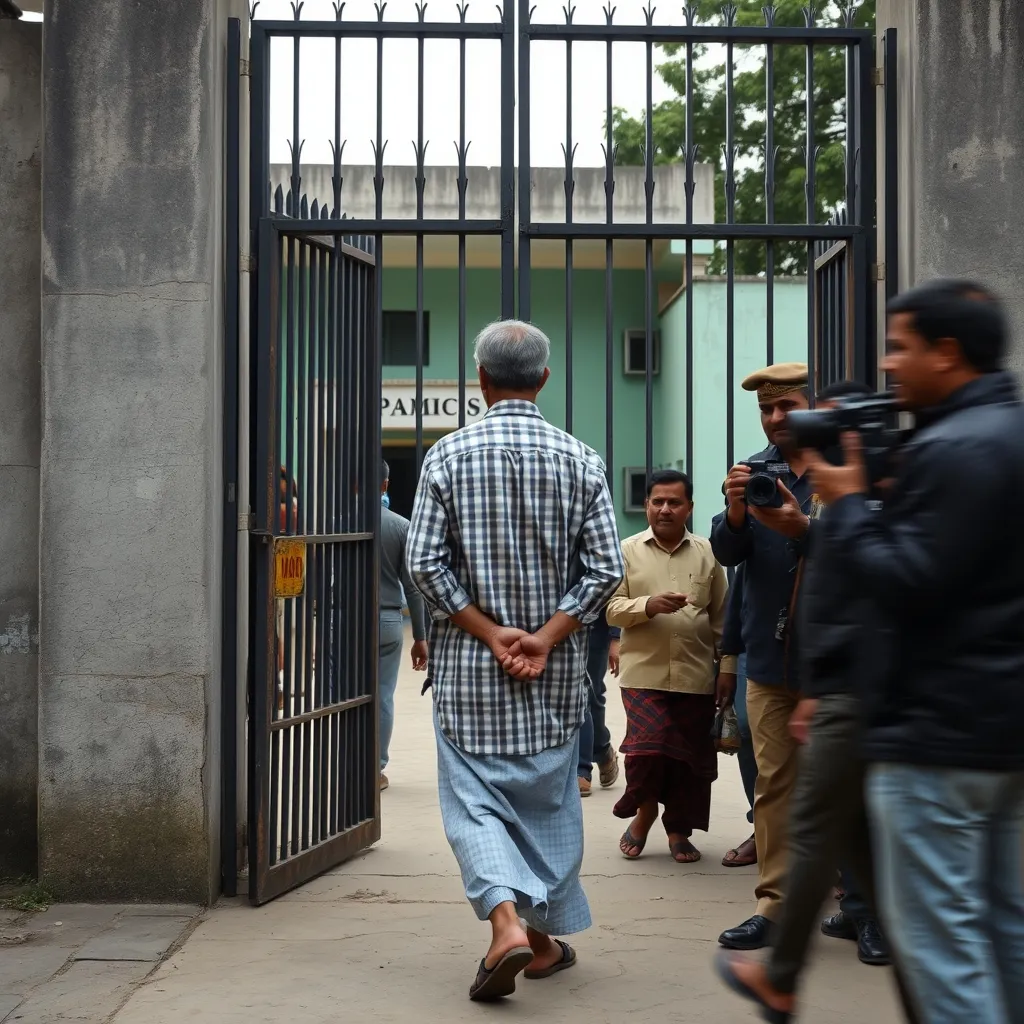
Seven people who were being trafficked to Malaysia have been rescued in Cox's Bazar, and four individuals have been detained in connection with the incident, according to a report published by New Age on Thursday, 19 November 2026.
The rescue and arrests were reported on the same day as a separate development in Bangladesh-Malaysia labour migration. In a distinct report, the same newspaper stated that the government plans to send 1,000 victims of the July uprising to Malaysia. The two reports, published together, place both the opportunity and the risk of the country's largest labour migration corridor under scrutiny at once.
The rescue and arrests
According to the report, the seven rescued individuals were bound for Malaysia and were identified as victims of human trafficking. Four people were detained over the incident.
However, the brief report did not immediately provide the identities of those rescued, their home districts, the precise location and timing of the operation, or the law enforcement unit that carried it out. It also did not specify what legal steps had been initiated against the four detainees.
Background: a perilous sea route
The Cox's Bazar coastline has long been known as one of the most active routes for irregular sea crossings to Malaysia across the Bay of Bengal. Traffickers lure members of poor and middle-income families with promises of employment and a better life.
There have previously been documented cases of deceived migrants being held before boarding vessels while traffickers demanded additional payments from their families. Deaths from capsized boats, shortages of food and water, and abuse at sea have repeatedly occurred along this route.
Malaysia is among the largest labour markets for Bangladeshi workers, with hundreds of thousands employed in construction, plantation and service sectors. However, visa fraud, excessive recruitment fees and travel through irregular routes are the principal drivers of trafficking risk. Bangladesh's Prevention and Suppression of Human Trafficking Act provides for penalties against those involved in trafficking.
Government plan for July uprising victims
New Age separately reported,
"Govt plans to send 1,000 July uprising victims to Malaysia."
The brief report did not answer key questions about the scheme, including its structure, the sectors in which the individuals would work, who would bear the costs, and when the process would begin. With the rescue of trafficking victims and the government's migration plan surfacing on the same day, ensuring safe and orderly migration has moved to the centre of the policy discussion.
Next steps
Interrogation of the four detainees and efforts to identify other members of the trafficking network are likely to continue, though the report did not specify subsequent legal measures. It also remained unclear how the seven rescued individuals would be rehabilitated or returned to their families. A detailed government announcement on sending July uprising victims to Malaysia, once made, is expected to play a significant role in shaping the direction of the country's migration sector.