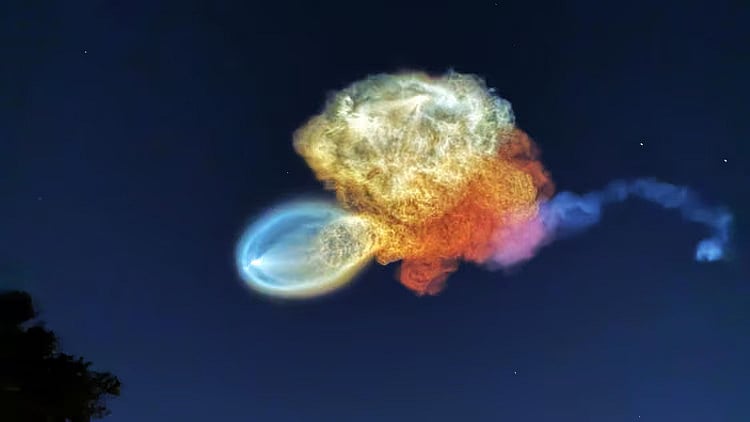
Bangladesh's night sky is set to host a special meteor shower on Tuesday and Wednesday, as the Leonid meteor shower reaches its peak, according to Prothom Alo. Under a dark sky, an estimated 10 to 15 meteors may be visible every hour, offering a rare spectacle for astronomy enthusiasts and casual observers alike.
The late-autumn sky over Bangladesh is currently clear and cloudless. This dust-free night sky is bringing a series of celestial attractions for stargazers. Through November 30, viewers can see the bright glow of a supermoon, streaks of the Leonid meteor shower, notable positions of Saturn and Uranus, and a rare gathering of four planets late at night.
How to watch the meteors
Tonight and tomorrow night present an excellent opportunity to watch shooting stars race across the sky. In favorable conditions, around 15 meteors per hour are expected to be visible.
"Under a dark sky, around 10 to 15 meteors can be seen every hour." — the Prothom Alo report stated.
The actual number of visible meteors, however, will depend on factors including cloud cover, light pollution, and the position of the shower's radiant. The report indicated that viewing from open, dark locations away from city lights offers the best chance of spotting the meteors.
The 1833 meteor storm legacy
The Leonids carry historical significance. According to the Prothom Alo report, the same meteor shower produced an exceptionally high number of shooting stars in 1833. That historic event has made the Leonids a subject of lasting interest among sky watchers.
Saturn dominates the evening sky
In the final two weeks of November, ringed Saturn will be the main attraction of the evening sky. Shortly after sunset, the planet will appear high in the southern sky, glowing steadily in a faint golden-yellow hue.
Unlike twinkling stars, Saturn will remain visible until around midnight or slightly later. This steady presence will allow observers to view Saturn's striking rings and its largest moon, Titan, clearly through ordinary binoculars or a small telescope.
Celestial attractions through month's end
More sky events await in the coming days. The supermoon's bright glow is expected to last through November 30, alongside the special positions of Saturn and Uranus and a rare gathering of four planets late at night. The cloudless, dust-free late-autumn sky has created favorable viewing conditions for all of these events.
With the Leonid peak over the next two nights and Saturn prominent in the evening sky, observers are advised to choose open, dark vantage points away from urban light for the best views, the report added.