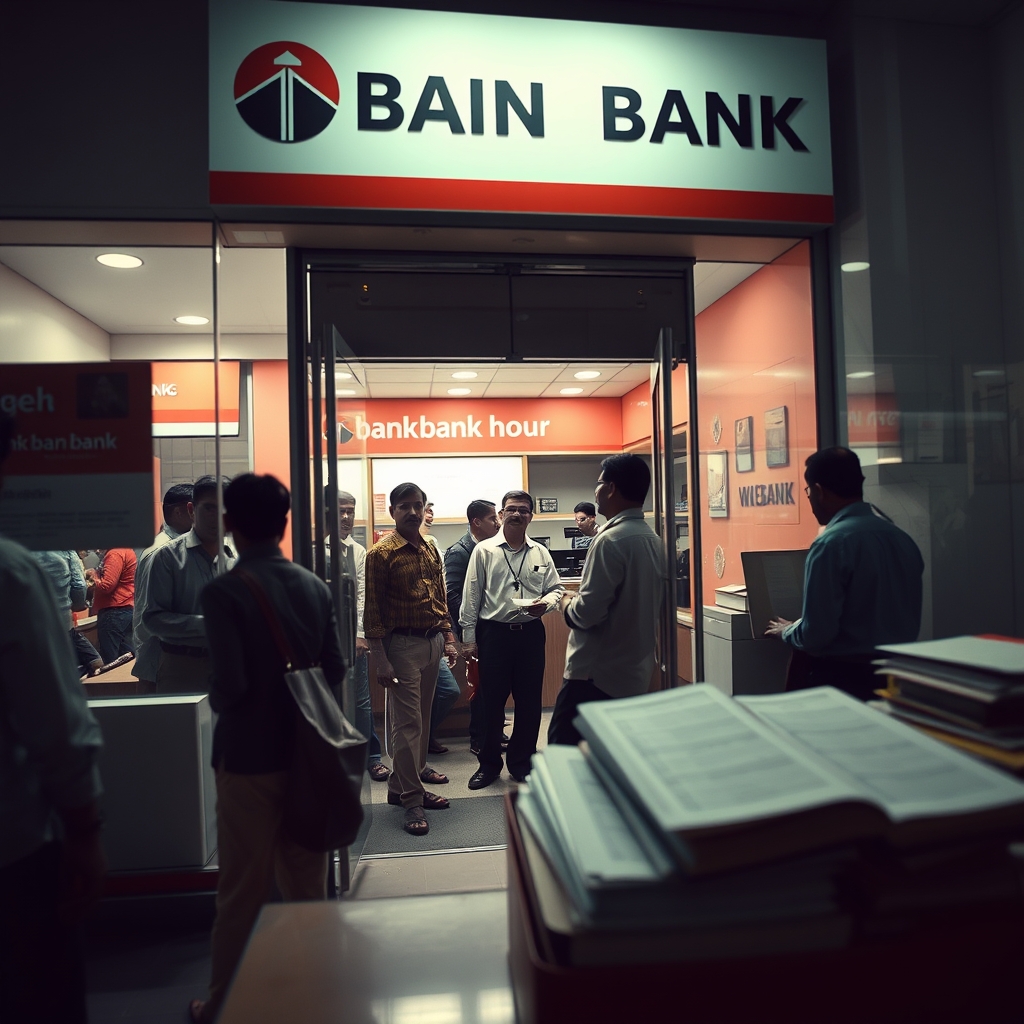
Loan defaulters in Bangladesh's banking sector are once again being offered special concessions, according to a report published in Daily Jugantor on Friday (20 November). The development follows a series of similar relaxations announced over the years to bring stalled loans back into repayment, placing the latest decision within a familiar pattern.
"Special concessions again for loan defaulters," read the headline of the Jugantor report.
A Prolonged Default Loan Crisis
Bangladesh's banking sector has remained under sustained pressure from default loans for years. Accumulated defaults in both state-owned and private banks have eroded profitability, weakened the capacity to issue fresh credit, and repeatedly raised questions over depositor confidence, according to ongoing concerns voiced within the sector.
Reviews by the central bank have also regularly flagged that recovery rates fall short of expectations, citing borrower reluctance and legal complications. Although recent banking reform efforts have emphasised stronger recovery of defaulted loans, the situation has not undergone a fundamental change.
Relaxations Announced Before
Bangladesh Bank and the finance ministry have announced multiple packages over the years aimed at recovering defaulted loans. Such schemes typically allow rescheduling of loans against lower down payments, repayment in instalments over extended periods, and in some cases reductions in interest or penalty amounts.
National budgets have also repeatedly incorporated favourable repayment terms for defaulters. However, the specific conditions, timeline and scope of the latest relaxation were not detailed in the report.
Debate: Do Waivers Encourage Defaults?
The effectiveness of repeated concessions has long been questioned. Economists have consistently argued that extending preferential terms to defaulters again and again penalises honest borrowers who repay on time and reinforces a culture of non-repayment.
Critics within banking circles also contend that rescheduling, in practice, creates cover for concealing genuine default. Proponents of such measures counter that without an avenue for repayment within income, non-performing loans continue to accumulate on bank ledgers, weakening the foundations of the institutions themselves.
What Lies Ahead
The real impact of the latest decision will become clear once the eligibility criteria, rescheduling terms and any separate central bank instruction are clarified. Customer response across the banking system, and whether the measure influences recovery rates, remain subjects to watch.