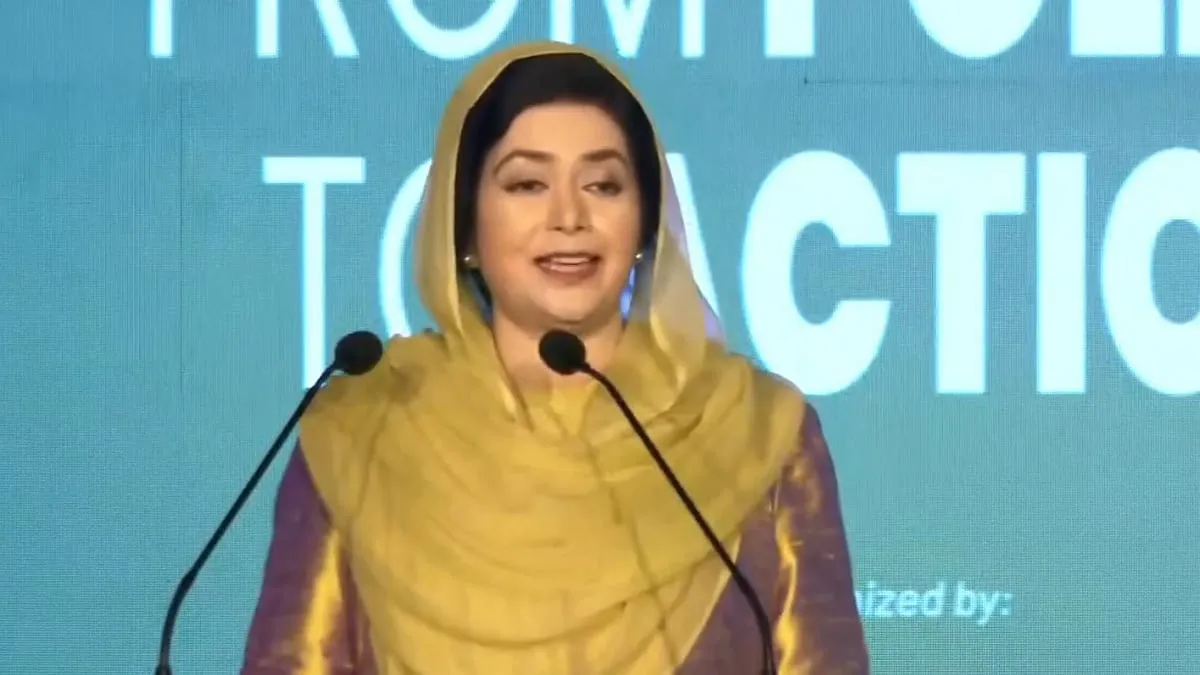
Dr Zubaida Rahman, vice president of the Ziaur Rahman Foundation, has called for ensuring that no woman is left behind in the national fight against cancer, urging expanded vaccination, cancer screening and affordable treatment facilities for women across both urban and rural communities. She made the remarks at the 11th International Cancer Congress held in the capital, Dhaka, on Thursday, 19 November.
At the congress, she also stated that ensuring effective treatment to combat cancer remains the government's goal, according to a report by Prothom Alo.
Emphasis on vaccines and screening for women
"No woman should be left behind in the fight against cancer," said Dr Zubaida Rahman, Vice President of the Ziaur Rahman Foundation, at the congress, as reported by Dhaka Tribune.
Her address placed particular weight on reaching vaccination programmes and screening services to women outside major urban centres, where access to specialist care remains comparatively limited. Early detection is widely regarded as central to cancer control, since diagnosis at an advanced stage makes treatment more complex and costly. Affordable treatment, she stressed, is essential to ensure that economically vulnerable women are not excluded from care.
Government moves to expand treatment capacity
On the infrastructure front, The Business Standard reported that the government plans to procure eight more radiotherapy machines to expand the country's cancer treatment capacity. Radiotherapy is a mainstay of cancer care, and the planned procurement is being viewed as a significant step toward improving service delivery.
The two reports are complementary rather than conflicting: while The Business Standard highlighted a concrete capacity-expansion plan, Prothom Alo recorded the policy-level goal articulated by Dr Rahman that effective treatment must underpin cancer prevention efforts.
Context of the congress
Cancer is recognised as a growing public health challenge in Bangladesh among noncommunicable diseases. The International Cancer Congress, now in its 11th edition, brings together physicians, researchers and practitioners on a national platform to discuss advances in prevention, early detection and treatment. Participation by figures associated with health and social welfare initiatives, including Dr Rahman in her capacity as vice president of the Ziaur Rahman Foundation, has turned attention toward gender disparities in access to cancer care.
The road ahead
The pace of the radiotherapy machine procurement and the extent to which vaccination and screening programmes for women are expanded will depend on the government's implementation steps. Attention now turns to whether the recommendations voiced at the congress translate into national cancer control planning, with stakeholders awaiting the next set of announcements.