The Tetulia Weather Observation Centre in Panchagarh recorded this season's lowest minimum temperature of 12.5°C at 6am on Thursday, with relative humidity standing at 98 per cent. The reading is the coldest logged in the district so far this winter season, confirming that cold conditions have begun to take hold across Bangladesh's northernmost region.
The drop was steep. The minimum temperature fell 3.2°C in a single day, from 15.7°C recorded at 9am on Wednesday, according to the observation centre. Weather analysts note that such a rapid decline typically signals the beginning of the winter cycle in the northern plains, where dry continental air pushes temperatures down quickly once established.
A sharp one-day fall
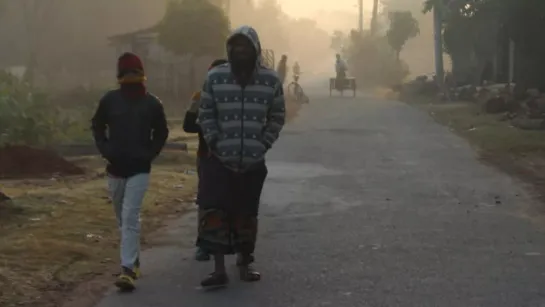
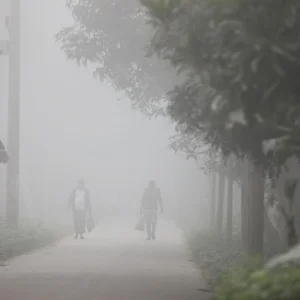
With humidity near saturation at dawn, residents woke to dense morning mist and a biting chill on Thursday. Visibility on roads and highways was reduced in the early hours, while the weak November sun left daytime weather damp and unusually cold for mid-November.
Local residents said morning movement in the town and surrounding villages thinned out noticeably, with children and elderly people beginning to use shawls, sweaters and blankets. Winter typically arrives in the northern districts in the second half of November, but this year's sudden plunge has prompted families to prepare earlier than usual.
Discrepancy in reported readings
A slight discrepancy exists among reports on the exact reading. The Dhaka Tribune reported the Tetulia temperature at 12.5°C, while Samakal put the country's lowest at 12.4°C in Tetulia on Thursday. Both reports, however, agree that Tetulia registered the lowest temperature in Bangladesh on the day.
Background
Tetulia, at the country's northern tip, is a well-known reference point for winter monitoring in Bangladesh, as the seasonal low typically arrives there first. The current reading marks an early-season milestone rather than a severe cold event, but it sets the baseline against which December and January readings will be measured. Prolonged spells of low temperatures in this belt can damage standing crops, including potato and winter vegetables, and heighten health risks for low-income and elderly populations.
The Tetulia centre continues to relay regular temperature and humidity updates to national weather authorities. Local administration officials have kept cold-wave preparedness, including the distribution of winter clothing, on their agenda. No formal extended forecast on whether temperatures will fall further has yet been issued by the Bangladesh Meteorological Department.