Bangladesh Foreign Minister Khalilur Rahman has said the Rohingya must be repatriated to Myanmar in accordance with the International Court of Justice (ICJ) ruling on the Rohingya genocide. He was addressing a gathering of Rohingya at the football field of Camp-4 in the Kutupalong refugee camp in Ukhia, Cox's Bazar, on Friday morning (20 November). The court's ruling, he said, must not remain confined to paper and its implementation must be ensured.
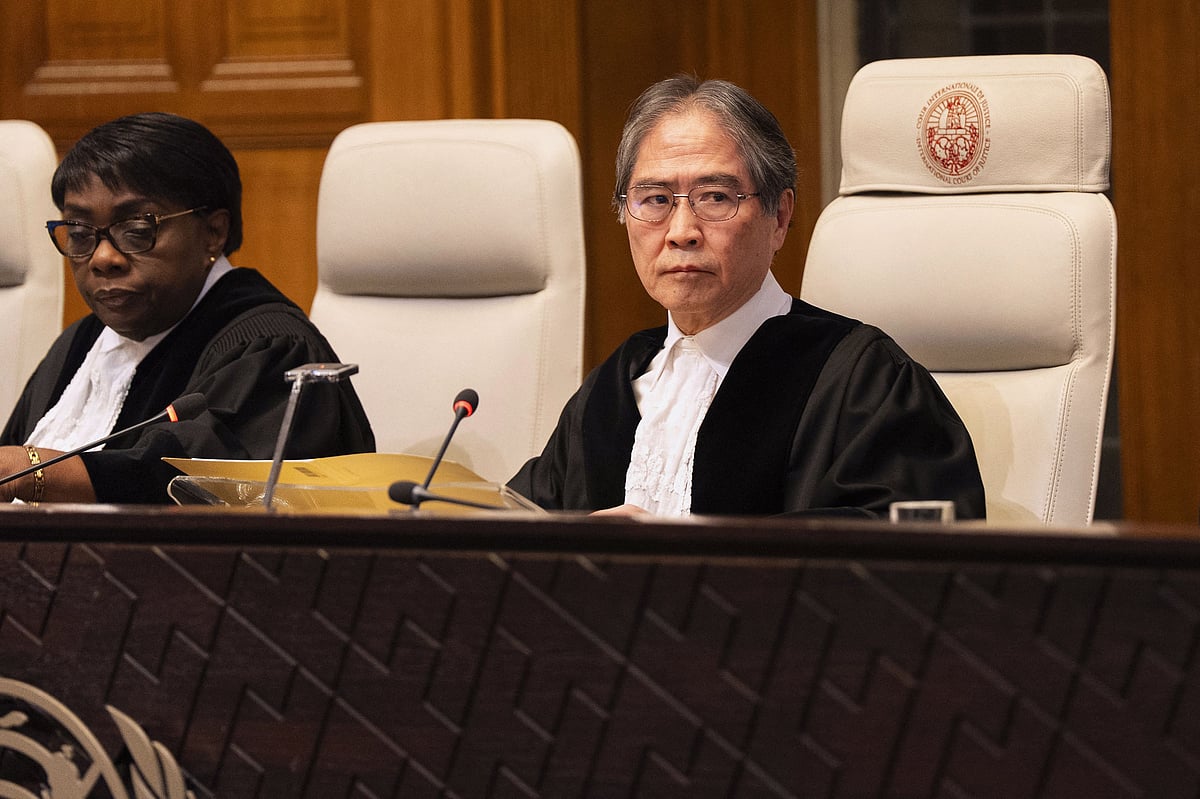
The International Court of Justice ruled in The Hague, Netherlands, on Thursday that Myanmar had committed genocide against the Rohingya minority. Friday's assembly was organised a day after that landmark verdict, drawing at least 35,000 Rohingya from various camps in Cox's Bazar.
Call to implement the verdict
Speaking to the Rohingya at the gathering, Khalilur Rahman said,
"The court's ruling must not remain confined to paper; its implementation must be ensured."
The foreign minister added,
"Myanmar must take the necessary measures for the safe, voluntary and dignified repatriation of the Rohingya."
The core of his message was that The Hague verdict should now serve as the basis for advancing the repatriation process, and that making it effective on the ground is the principal task ahead.
'No more camp life'
The Rohingya present at the assembly also conveyed their position directly to the foreign minister. "No more camp life, we want to return to our own country," was the appeal they voiced, according to a Jugantor report. The message underlined growing impatience within the camps after years of displacement.
First state held accountable for genocide
A Prothom Alo report noted that the United Nations' highest court has, for the first time, held a state responsible for genocide. The judges found that claims of military operations against armed groups could not properly explain acts of genocide, sexual violence and widespread destruction committed against the Rohingya.
The same report argued that the ruling could become a matter of concern for Israel, which faces accusations of genocide against Palestinians in Gaza, given the reasoning the judges applied.
What lies ahead
According to the foreign minister, Myanmar must now take the necessary steps to enable repatriation, while ensuring the implementation of the verdict remains the central challenge. With tens of thousands of Rohingya publicly demanding return to their homeland, the question of how far The Hague ruling is enforced will determine the future course of the Rohingya issue.