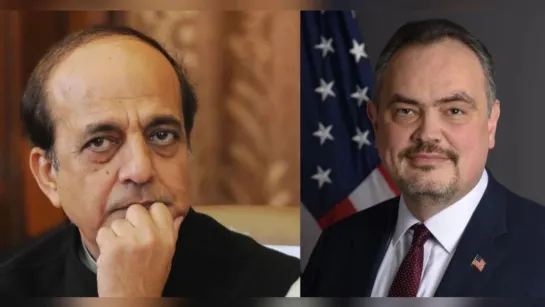
The United States appears to be opting for a prolonged strategy of economic pressure and sanctions against Iran, caught between President Donald Trump's dilemma of further military action or diplomatic engagement. US Secretary of State Marco Rubio has stated that Washington's economic pressure on Iran has been so effective that there is no need for a new large-scale military operation against the country.
FactaGrid
https://factagrid.com
Politics
13 November 2026, 2:57 PM
Politics
Rubio backs sanctions, Vance seeks diplomacy: What is Trump's decision on Iran war
US Secretary of State Marco Rubio has said economic sanctions on Iran are so effective that no major new military operation is needed. Meanwhile, Vice President JD Vance's push for diplomatic engagement has exposed a policy rift within the Trump administration over Iran.
13 November 2026, 1:02 PM
|
2 min read
Listening...
Rubio backs sanctions, Vance seeks diplomacy: What is Trump's decision on Iran war
০০:০০
/
০০:০০
Sources Used
📚 This report is synthesized from the following sources:
Ba
Bangladesh Pratidin
View original article →
Pr
Prothom Alo
View original article →Leave a comment
Be the first to comment.