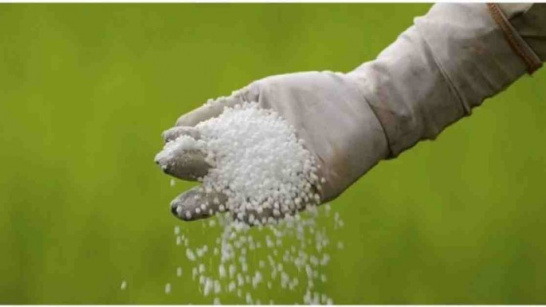
The government has approved proposals to import 295,000 tonnes of chemical fertiliser to ensure adequate supply in the domestic market. The approved proposals cover the procurement of 60,000 tonnes of TSP, 155,000 tonnes of granular urea, and 80,000 tonnes of DAP fertiliser, according to official sources.
FactaGrid
https://factagrid.com
National
12 November 2026, 8:10 PM
National
Govt Approves Import of 295,000 Tonnes of Fertiliser; Subsidy Set at Tk 17,000cr for FY27
The government has approved proposals to procure 295,000 tonnes of chemical fertiliser, including TSP, granular urea, and DAP. This comes as parliament was told the country's annual fertiliser demand stands at 5.80 million tonnes against a domestic production capacity of just 1.2 million tonnes, with a subsidy of Tk 17,000 crore fixed for FY27.
12 November 2026, 7:02 PM
|
2 min read
Listening...
Govt Approves Import of 295,000 Tonnes of Fertiliser; Subsidy Set at Tk 17,000cr for FY27
০০:০০
/
০০:০০
Sources Used
📚 This report is synthesized from the following sources:
Th
The Daily Star
View original article →
Bu
Business Standard
View original article →Leave a comment
Be the first to comment.