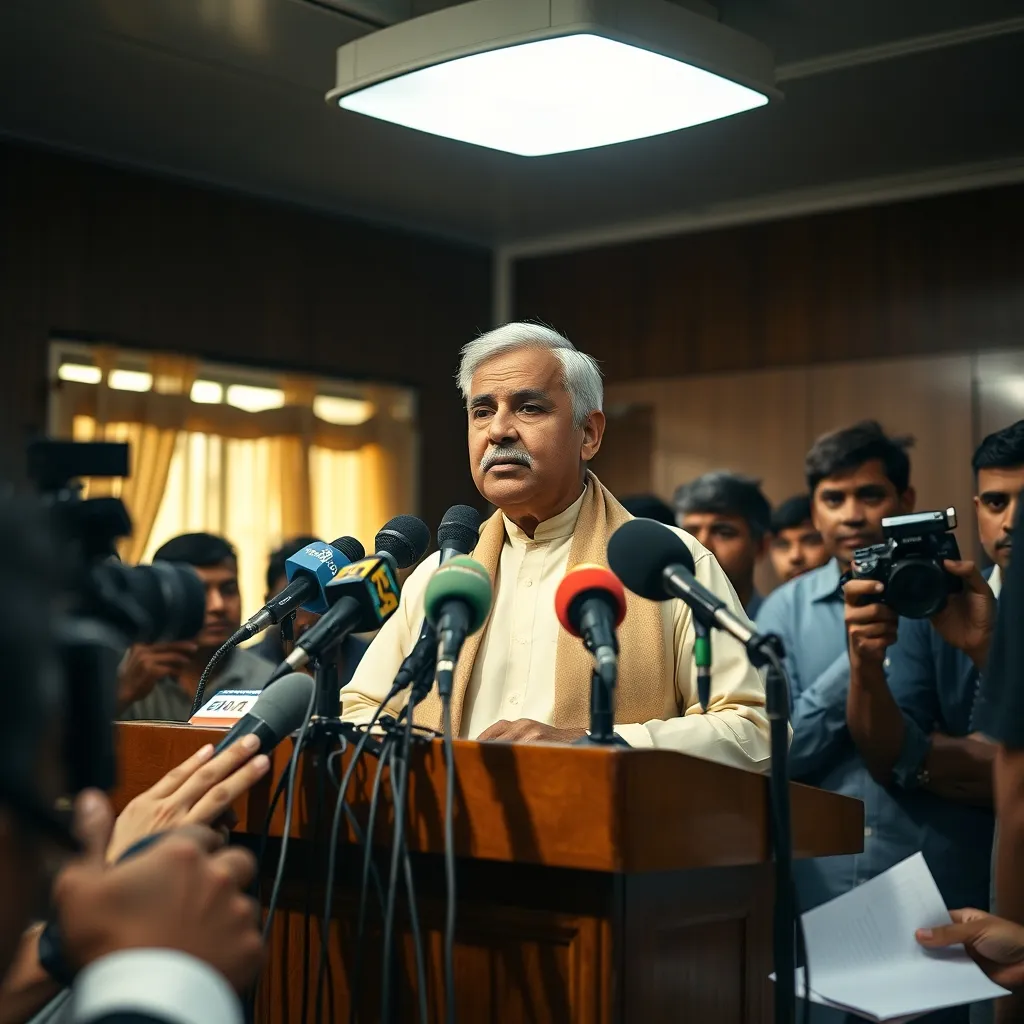
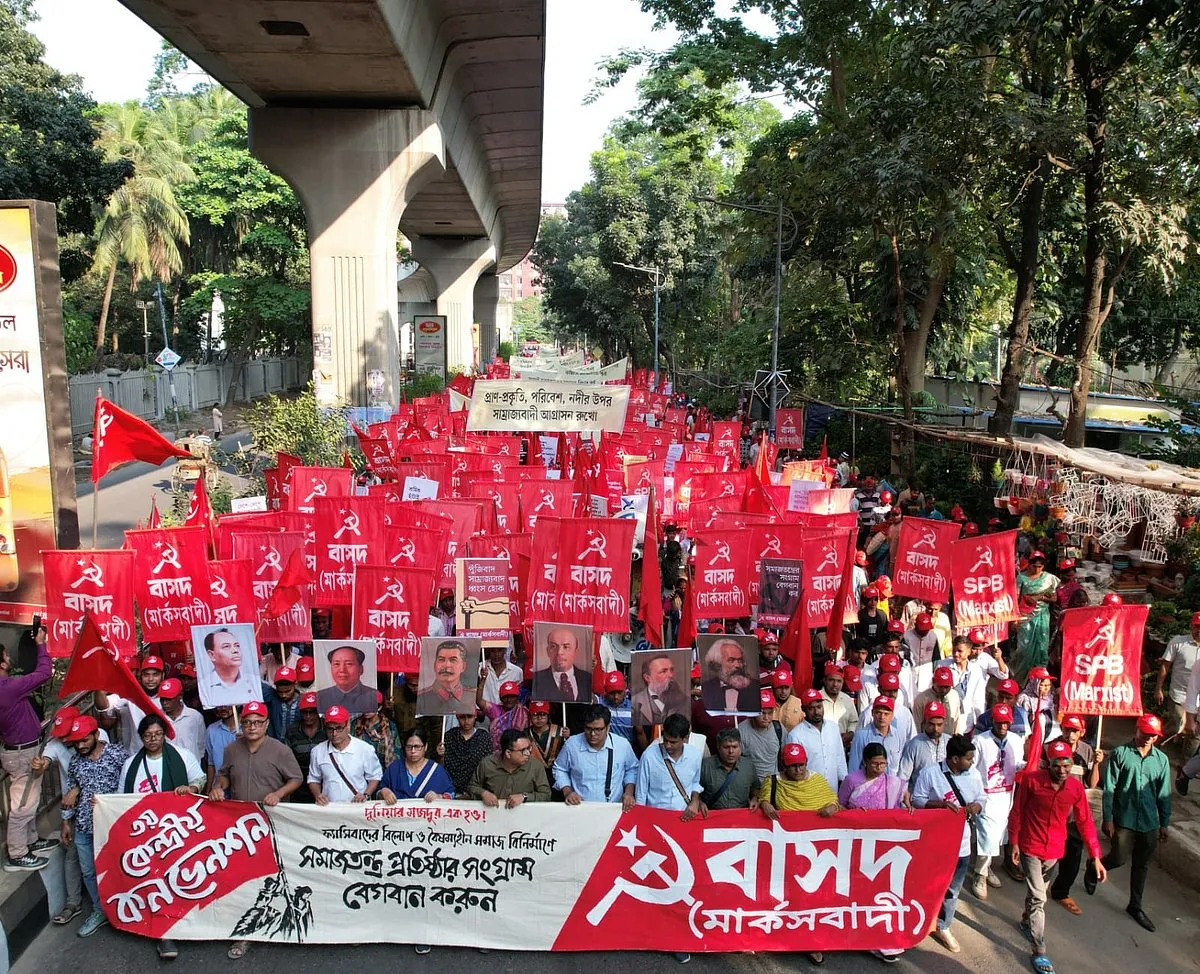
The process of bringing former Prime Minister Sheikh Hasina back to the country must be completed in accordance with existing national laws and the international extradition treaty. Discussions on this matter have intensified recently within political circles and among legal experts. While some express hope that she might return without any formalities, the reality is that any such return must adhere to the established legal framework.
FactaGrid
https://factagrid.com
Politics
14 November 2026, 10:22 AM
Politics
Sheikh Hasina Must Be Brought Back Through Extradition Treaty
A section of the Awami League is reportedly hoping that Sheikh Hasina will be welcomed back with flowers from her husband's residence. However, legal experts and concerned quarters assert that she must be brought back through the proper legal channel, specifically the extradition treaty.
14 November 2026, 10:03 AM
|
2 min read
Listening...
Sheikh Hasina Must Be Brought Back Through Extradition Treaty
০০:০০
/
০০:০০
Sources Used
📚 This report is synthesized from the following sources:
Ka
Kaler Kantho
View original article →
Ka
Kaler Kantho
View original article →Leave a comment
Be the first to comment.