A new analysis has emphasized the importance of learning from neighboring countries' experiences in developing Bangladesh's solar energy sector. The report, titled "Solar energy: lessons from neighbors," published by New Age, presents a comparative overview of successful renewable energy policies in India, Nepal, and Bhutan.
Success models of neighboring countries
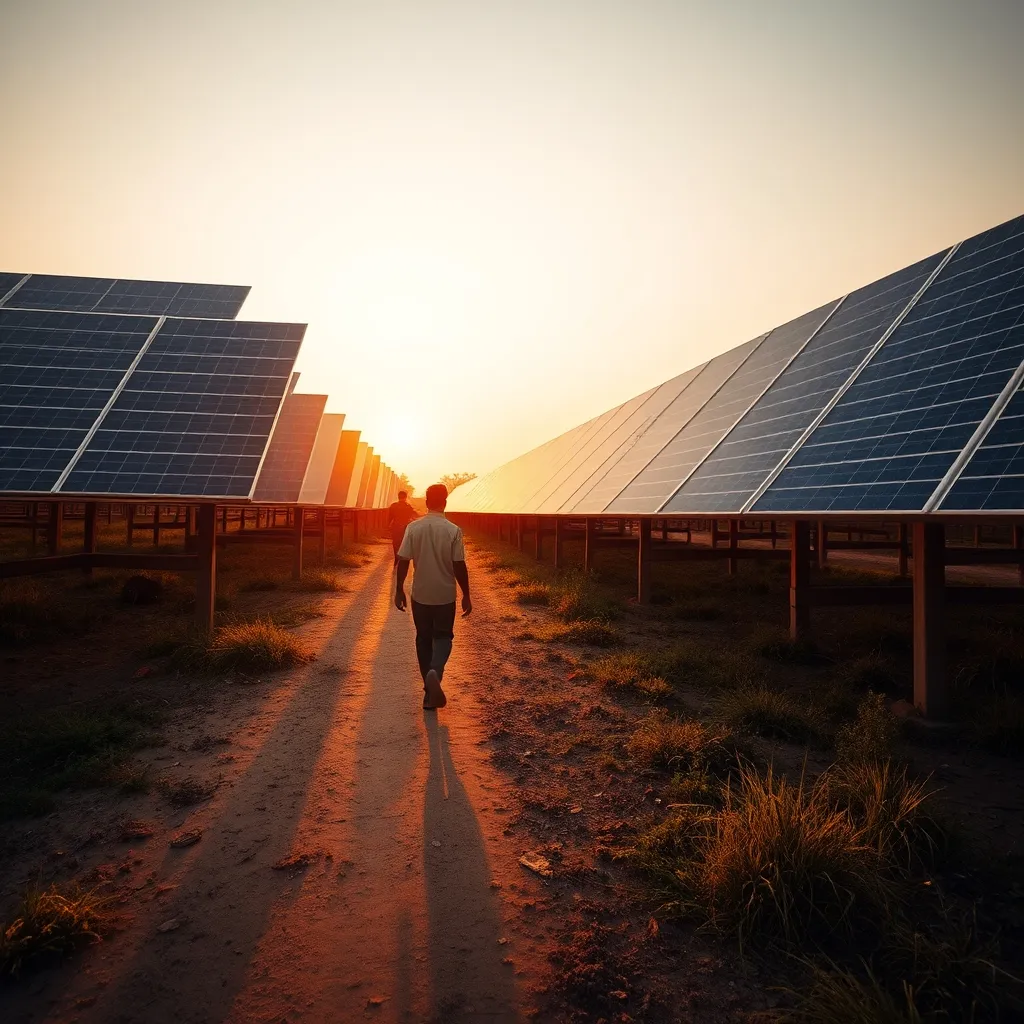
The report notes that India has achieved significant progress in solar power generation, particularly through large-scale solar parks in states like Rajasthan and Gujarat. Nepal and Bhutan, while successful in hydropower, have also increased investment in solar energy in recent years. Policy support, encouragement of private investment, and grid connectivity facilities in these countries have been cited as exemplary models for Bangladesh to follow.Recommendations for Bangladesh
The analysis states that while Bangladesh has immense solar energy potential, policy inconsistency, land scarcity, and grid infrastructure limitations remain major challenges. Experts believe that adopting long-term planning and increasing private sector participation, as seen in neighboring countries, could help Bangladesh make significant progress in the solar sector.Context
Meanwhile, two other significant developments have occurred in the country's energy sector. A school-based seed bank has been launched in Rajshahi to preserve local agricultural heritage. Additionally, scientists have hailed the commencement of power generation at the Rooppur Nuclear Power Plant, calling it a milestone for the country's energy security.According to experts, a combined approach utilizing both renewable energy and nuclear power could effectively address Bangladesh's future energy demands.