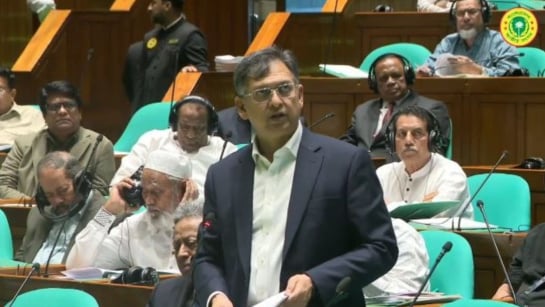
Tensions have emerged during the proceedings of the national parliament over the speaking opportunities and the question-answer session for members of parliament. On Thursday (November 12), during the parliamentary session, MP Nahid posed a pointed question to the Speaker: "What will I do with the question-answer session, if I am not allowed to speak?" His remark created a stir among the members present.
FactaGrid
https://factagrid.com
Politics
12 November 2026, 11:19 PM
Politics
Nahid Questions Speaker: What Will I Do with Q&A If I'm Not Allowed to Speak?
Member of Parliament Nahid has questioned the Speaker, saying what he would do with the question-answer session if he is not allowed to speak. Meanwhile, another MP Asif has raised the question of whether the people must take the law into their own hands.
12 November 2026, 10:02 PM
|
2 min read
Listening...
Nahid Questions Speaker: What Will I Do with Q&A If I'm Not Allowed to Speak?
০০:০০
/
০০:০০

Sources Used
📚 This report is synthesized from the following sources:
Ju
Jugantor
View original article →
Ju
Jugantor
View original article →Leave a comment
Be the first to comment.