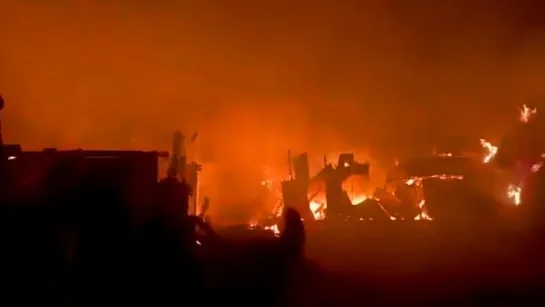
A mixed situation prevailed across Bangladesh's industrial zones on November 20, with some factory areas staying calm while others turned heated over worker protests. To keep the situation under control, additional security personnel have been deployed in the industrial areas, according to reports published by two national dailies, Kaler Kantho and Bangladesh Pratidin.
What the Reports Say
Kaler Kantho framed the development with the headline:
"Somewhere calm, somewhere protests, extra security in industrial zones"
Bangladesh Pratidin, on the same day, reported:
"Industrial zones heated over worker protests"
The two accounts are consistent rather than contradictory. Kaler Kantho emphasized the mixed picture of calm and protest, while Bangladesh Pratidin highlighted the rising tension across the factory belts.
However, the available summaries do not specify which industrial zones or factories saw demonstrations, the workers' concrete demands, or the number of security personnel deployed. FactaGrid will verify and update these details as they become available.
Why the Situation Matters
The ready-made garments sector, which accounts for the bulk of Bangladesh's export earnings and employs around four million workers, is heavily concentrated in densely populated industrial belts such as Ashulia, Gazipur, Narayanganj and Chattogram. Labor unrest over wages, working hours and benefits is a recurring feature in these areas.
Although the minimum wage for garment workers was revised in 2023, disputes over pay and allowances continue to surface periodically. Protests can disrupt production and affect traffic on key roads serving the factory zones, which is why security is typically reinforced at factory gates and main thoroughfares during tense periods.
A dedicated force, the Industrial Police, also works to maintain order in these zones.
What to Watch Next
Attention will now turn to how quickly the situation normalizes under the enhanced security deployment. A clearer picture is expected to emerge as the workers' specific demands, factory owners' positions and the administration's response become known. FactaGrid is monitoring the industrial zones and will publish follow-up reports based on confirmed information.