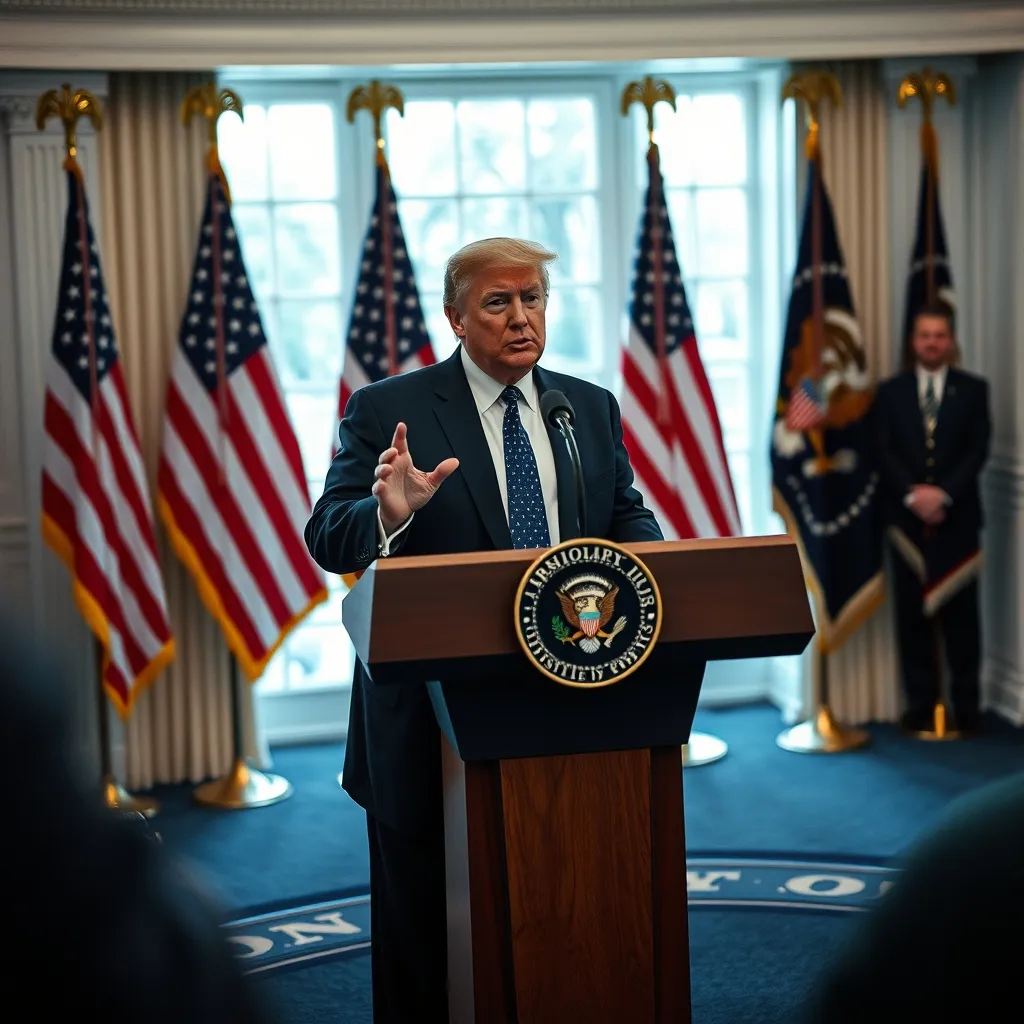
US President Donald Trump has adopted a hardline stance against Iran, declaring that there is no need for negotiations with Tehran. As part of this decision, Vice President JD Vance has been removed from the Iran-related diplomatic process, according to multiple sources.
Reports from Bangladesh Pratidin and Kaler Kantho indicate that the Trump administration has made a fundamental shift in its policy toward Iran. Where previously diplomatic engagement was being pursued, a hardline approach has now been adopted.
Trump's Hardline Position
According to Kaler Kantho's report, Trump has taken an extremely firm position on the Iran issue. He has made it clear that there is no need to sit down for any kind of talks with Iran. This decision has created a new diplomatic reality in the Middle East.Analysts suggest that Trump's change in position could have significant implications for international relations. Concerns regarding Iran's nuclear program and regional influence may become more complicated as a result.
Significance of Removing Vance
Political analysts view the removal of Vice President JD Vance from the Iran-related process as a significant signal. As the second-highest official in the administration, Vance's exclusion from this process indicates a shift at the decision-making level.The reports state that this decision has strengthened those within the Trump administration who favor a hardline approach toward Iran. Meanwhile, those who advocated for negotiations have been sidelined.
Netanyahu-Eisenkot's Position Change
In a related development, a separate Bangladesh Pratidin report states that Israeli Prime Minister Benjamin Netanyahu and Defense Minister Eisenkot have decided that there is no need for an urgent strike on Iran. This change in position is seen as aligned with Trump's new policy direction.The Israeli leadership's decision is expected to somewhat reduce military tensions in the Middle East. However, diplomatic and economic pressure on Iran is likely to continue.
International Reaction
Following Trump's announcement, various reactions have emerged in the international community. Middle Eastern countries are closely monitoring these developments. Nations with ties to Iran may reconsider their diplomatic positions in light of this new reality.According to experts, ending talks with Iran does not necessarily mean immediate military action will follow. Rather, it could be a strategy to increase pressure, further isolating Iran on the international stage.
Future Outlook
At this moment, it remains unclear what the Trump administration's next steps will be regarding Iran. However, analysts believe that economic sanctions against Iran could be further strengthened. The possibility of an increased US military presence in the Middle East cannot be ruled out either.The Iranian government has not yet issued an official response to these developments. However, the Tehran administration has previously stated that it will not enter negotiations under pressure.