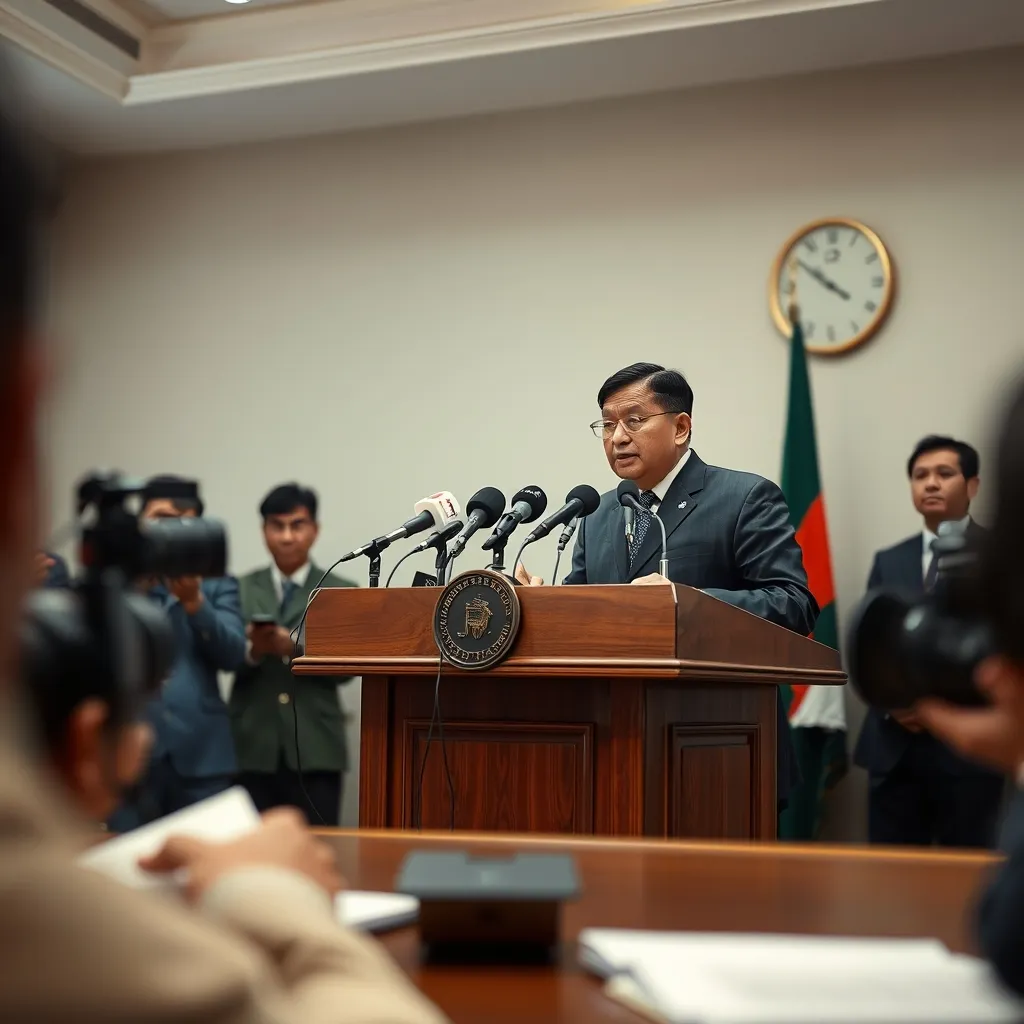
The chairman of the University Grants Commission (UGC), the apex coordinator of Bangladesh's university education, has put forward three initiatives aimed at strengthening international cooperation in the country's higher education sector. The proposal was reported by the dailies Bangladesh Pratidin and Jugantor on 20 November 2026. International cooperation has emerged as one of the most discussed priorities in Bangladesh's higher education policy, and a proposal of this kind from the head of the sector's top coordinating body carries the potential to shape the internationalisation activities of universities nationwide.
The Three-Point Proposal
Both dailies placed the proposal in their headlines, with each report carrying an identical core message:
"UGC Chairman proposes three initiatives for international cooperation in higher education."
No discrepancy in figures or statements was found between the two sources. However, step-by-step details of the three initiatives were not included in the verified information available at the time of filing this report. International cooperation in higher education typically encompasses joint research programmes, faculty and student exchange schemes, dual-degree arrangements, expanded research funding and improved performance in global university rankings.
UGC's Mandate and Sector Context
Established under the University Grants Commission Act, 1973, the UGC is the statutory body responsible for coordinating Bangladesh's more than forty public universities and over one hundred private universities, ensuring quality standards and distributing government allocations. The commission regularly prepares recommendations for the improvement of higher education and implements various programmes. It is also entrusted with universities' internal quality assurance activities, funding for research projects and the publication of annual reports.
Internationalisation has long featured on Bangladesh's higher education policy agenda. The standing of the country's institutions in global university rankings, international research partnerships, the attraction of foreign students and the growth of joint publications remain recurring themes in policymaking discussions. Expanded international cooperation creates opportunities for wider research activity, stronger global skills among students and greater labour-market competitiveness for graduates.
Quality Debate Continues
Separately, a commentary published in Jugantor the same day analysed the high rate of unsuccessful candidates in examinations and set out several recommendations for improving educational quality. Such discussions on examination outcomes have shaped the continuing backdrop of the reform debate in higher education. Against this backdrop, the UGC chairman's cooperation-focused proposal is being viewed as an effort to pursue quality improvement and global connectivity at the same time.
Next Steps
The detailed framework, implementation plan and timeline for the three proposals remain unpublished. The actual scope of the initiatives is expected to become clearer once the UGC announces a roadmap and takes the proposals into discussion with the country's universities.